Cart
0
TL;DR:
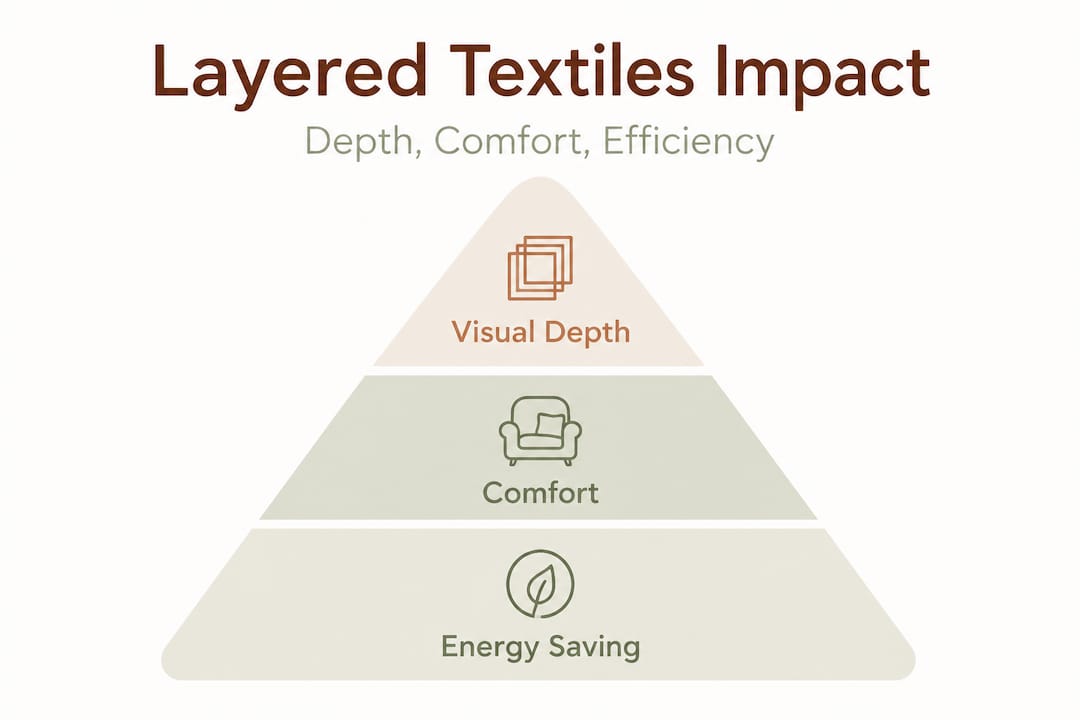
- Layering textiles creates visual depth, warmth, and personal character in a room.
- It enhances insulation and acoustic dampening, improving energy efficiency and comfort.
- Using intentional, purpose-driven layers avoids clutter and elevates interior style.
There is a persistent belief that a single beautiful rug or a pair of matching cushions is enough to finish a room. It is not. A solitary textile, however well chosen, sits flat against a space and leaves it feeling unfinished, even cold. Layering, on the other hand, is the technique that separates a genuinely comfortable, visually rich interior from one that simply looks furnished. This guide walks you through the evidence behind layered textiles, the practical methods for doing it well, and the common mistakes that undermine even the best intentions.
Table of Contents
- The visual impact: Why single textiles fall flat
- Functional benefits: Warmth, energy savings, and comfort
- How to layer textiles for different effects
- Common mistakes and expert tips
- What most designers overlook about layered textiles
- Bring layered style and comfort into your home
- Frequently asked questions
Key Takeaways
| Point | Details |
|---|---|
| Boosts visual depth | Layered textiles add dimension, making rooms more inviting and dynamic. |
| Delivers real warmth | Layering can reduce heat loss through floors and windows, helping your home stay cosy and energy-efficient. |
| Allows creative personalisation | Combining different textures, patterns, and colours lets you reflect your personal style and adapt your space with ease. |
| Enhances comfort and acoustics | Layered rugs and curtains create a quieter, more comfortable indoor environment. |
The visual impact: Why single textiles fall flat
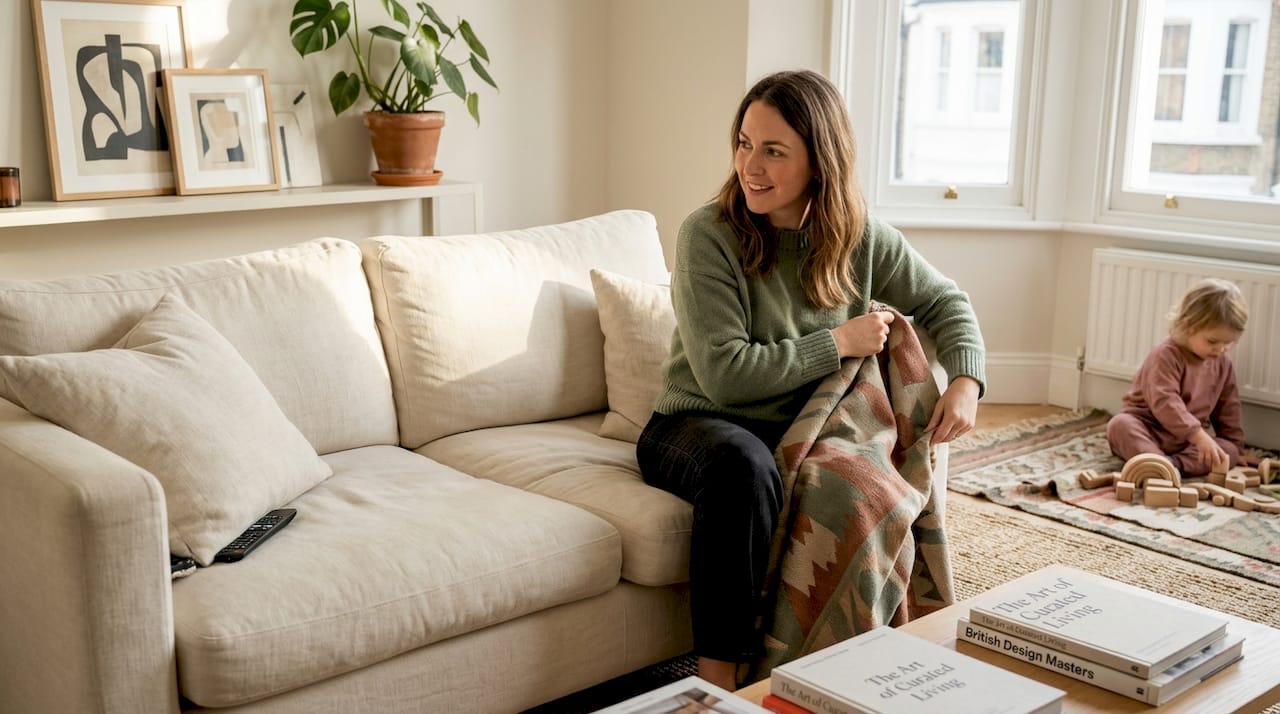
Think about the last time you walked into a room that felt truly inviting. Chances are it was not decorated with one material repeated throughout. It had variety, contrast, and a sense that real life happened there. A single textile provides utility but very little dimension. A plain cotton throw on a bare sofa tells you very little about the room’s character. Add a chunky wool blanket, a velvet cushion, and a woven accent pillow, and suddenly you have a conversation.
Layering textiles enhances visual depth by combining contrasting textures, patterns, and materials, making rooms feel lived-in and stylish rather than flat. That is not interior design jargon. It is a straightforward principle: the eye needs variation to stay engaged, and textiles are one of the most affordable, low-commitment ways to provide it.
Understanding the role of texture in home styling helps explain why certain combinations work so well. Velvet absorbs light and gives a room softness. Linen reflects it gently and reads as airy. Faux fur adds tactile drama. When you layer these together, each material amplifies the qualities of the others rather than competing with them.
What layering achieves that single textiles cannot:
- Breaks up visual monotony across large surfaces such as floors and walls
- Creates a sense of warmth before a single radiator is switched on
- Draws the eye towards focal points such as a bed, sofa, or window
- Communicates personal style through curated combinations
- Allows seasonal changes without redecorating from scratch
| Single textile approach | Layered textile approach |
|---|---|
| Functional but flat | Functional and visually dynamic |
| One material dominates | Multiple materials complement each other |
| Seasonal inflexibility | Easy to swap layers for summer or winter |
| Limited warmth retention | Multiple insulating layers |
| Generic feel | Personal and characterful |
“A room decorated with a single material, however beautiful, reads as a showroom. Layered textiles are what make a house feel like a home.”
Exploring the art of layering in home styling reveals that even two or three thoughtfully chosen pieces can shift a room’s atmosphere entirely. You do not need a large budget or a full redesign. You need intention.
Functional benefits: Warmth, energy savings, and comfort
Aesthetics aside, layered textiles do practical work that many homeowners in the UK underestimate. Given our climate, where draughts, damp, and cold floors are common complaints, the functional case for layering is arguably stronger than the visual one.
Layered textiles provide thermal insulation by trapping air pockets, reducing heat loss through floors and windows. Rugs and carpets alone can cut floor heat loss by 10 to 20 per cent, which is comparable to fibreglass insulation in terms of thermal performance. That is a meaningful figure when you consider how much of a home’s heat escapes through bare floorboards and uncovered windows.
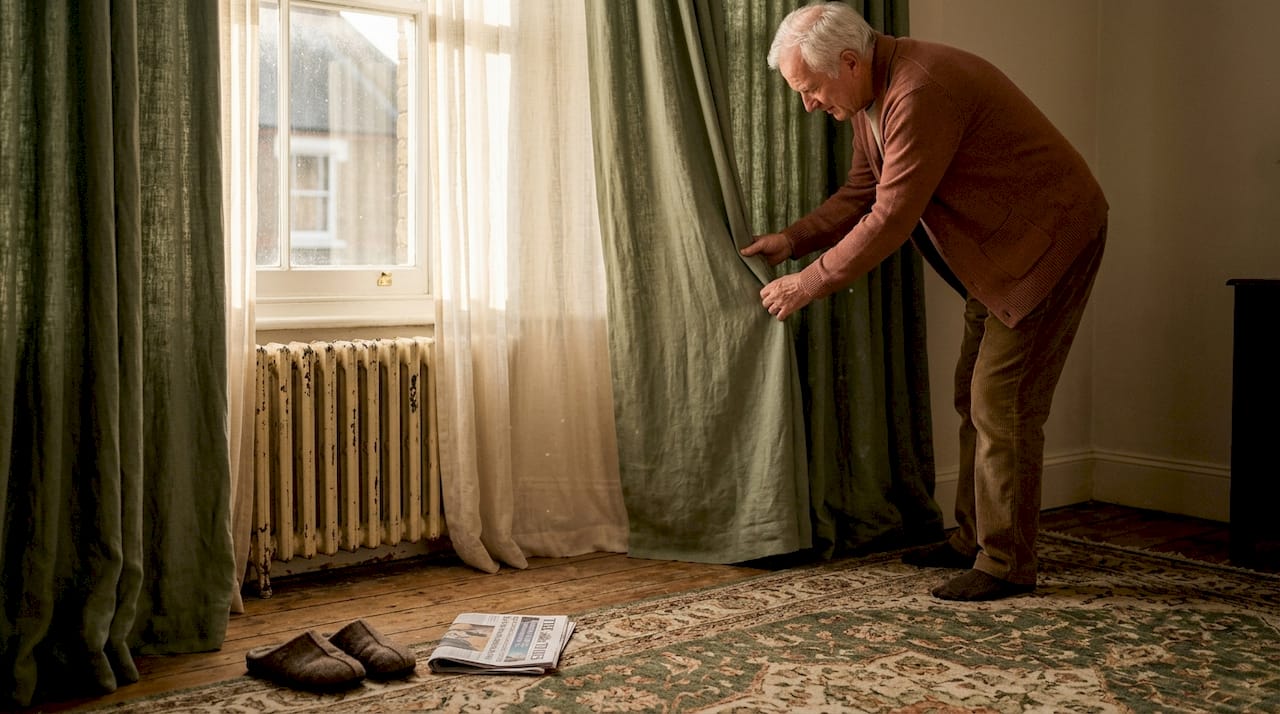
The numbers around carpet performance are telling. Carpet R-value reaches up to 2.0 per inch compared with hardwood flooring’s 0.8, and full textile coverage can contribute to energy savings of 8 to 12 per cent. Acoustic dampening is a measurable benefit too, with layered textiles reducing echoing and sound transmission in open-plan spaces.
Here is how to think about layered textiles for warmth in practical terms:
- Start with your floor. A thick area rug over bare boards traps a significant layer of air directly beneath your feet. Add a rug pad underneath for extra insulation and grip.
- Address your windows. Curtains are not just decorative. Floor-length, lined curtains over a blind or sheer layer reduce draughts and prevent cold air pooling near windows at night.
- Consider your upholstery. Throws over sofas and chairs add warmth without any permanent change, and they double as an extra layer on cold evenings.
- Think about your bed. A duvet alone works, but a blanket or bedspread layered on top means you can regulate temperature through the night without waking up uncomfortable.
| Textile layer | Key functional benefit | UK relevance |
|---|---|---|
| Area rug over bare floor | Reduces floor heat loss by 10-20% | Essential for period properties |
| Lined curtains over blinds | Cuts window draught significantly | Relevant in most UK homes |
| Throw over sofa | Adds localised warmth | Ideal for living rooms and snugs |
| Layered bedding | Temperature regulation | Useful across all UK seasons |
| Acoustic curtains | Reduces noise transmission | Particularly useful in urban areas |
Pro Tip: If you are putting a rug on a hard floor in a draughty room, choose a rug with a dense pile and always use a non-slip pad beneath it. The pad adds another insulating layer and stops the rug moving, which matters both for safety and for maintaining the visual effect you have worked to create.
How to layer textiles for different effects
Knowing that layering works is one thing. Knowing how to do it without the result looking chaotic is another. The good news is that layering does not require a design qualification. It requires a clear starting point and a few simple rules.
The approach to layer textures for depth begins with identifying your goal. Are you after a cosy, enveloping atmosphere? Go for plush, tactile materials such as velvet, bouclé, and faux fur in warm, muted tones. Are you aiming for a cleaner, more contemporary feel? Layer natural linens, tightly woven cottons, and geometric prints in cooler, neutral palettes. The materials themselves carry the mood before a single piece of furniture is chosen.
A practical framework for layering any room:
- Begin with a large base textile. For a living room, this is your area rug. For a bedroom, it is your bedding. This piece sets the tonal foundation.
- Add a second layer in a contrasting texture. If your base is smooth cotton, bring in a chunky knit or a shaggy throw.
- Introduce pattern at the accent level. Cushions, small mats, and runners are the safest place to use bolder prints because they cover less visual ground.
- Use size variation to create hierarchy. A large rug, a medium throw, and small accent cushions read as a considered composition rather than a random pile.
- Limit your colour palette to three or four tones. Texture does the heavy lifting; too many colours muddy the effect.
One consideration that often gets missed is underfloor heating. In underfloor heating homes, use low-pile rugs to allow heat to circulate effectively. For acoustic purposes, prioritise floor-length curtains with some overlap at the leading edges. These details matter in practice even if they never appear on a mood board.
Thinking about how you want to personalise your space is also worth doing before you shop. Layering textiles is one of the most personal forms of decorating because it reflects how you actually live. If you have children or pets, you will want durable, washable outer layers with more precious pieces used at height or as occasional accents. If you work from home, acoustic layering near windows and hard floors makes a genuine difference to focus and comfort.
Pro Tip: Build your layers gradually rather than buying everything at once. Live with the base layer for a week or two before adding the next. This gives you time to see how the light in your room affects the colours and textures at different times of day, which is something a shop or website cannot replicate.
Common mistakes and expert tips
Even experienced decorators make layering mistakes. Understanding what goes wrong helps you avoid the pitfalls before they cost you time or money.
Textiles create a lived-in, stylish feel when combined with purpose, but that purpose is easy to lose if you are buying reactively rather than intentionally. Here are the most common errors and how to sidestep them:
- Overdoing the layers. More is not always more. Five throws on a sofa looks chaotic rather than cosy. Aim for two or three layers maximum in any one area, and let each one breathe.
- Ignoring maintenance. A beautiful sheepskin rug looks wonderful until it becomes a magnet for dust and becomes difficult to clean. Choose outer layers that can be washed or shaken out easily, and reserve delicate pieces for lower-traffic areas.
- Forgetting scale. A tiny accent rug in a large room reads as an afterthought. Scale your base layer to the room first, then add smaller accents proportionally.
- Clashing patterns without hierarchy. Mixing patterns works when one is dominant and the others are supporting acts. When all three cushions, the throw, and the rug carry equally bold patterns, there is no focal point and the eye has nowhere to rest.
- Neglecting underfloor heating compatibility. Thick-pile rugs over underfloor heating reduce its efficiency and can create uneven warmth. Always check the manufacturer’s guidance before laying a rug over a heated floor.
Pro Tip: Use textile layering to highlight one focal point in the room rather than distributing visual interest evenly. A generously layered bed or a richly textured sofa corner draws the eye immediately and gives the space a centre of gravity. Everything else can be calmer and simpler.
Exploring the role of textures in interiors reveals that the rooms people describe as feeling “special” almost always have one area where texture is concentrated and deliberate, with the surrounding space providing quieter contrast.
What most designers overlook about layered textiles
Most advice about textiles focuses on looks. Which colours are trending, which patterns are having a moment, which materials photograph well. These are not bad questions, but they miss a more important one: how does this room need to perform?
In the UK, homes face a specific set of challenges. Older Victorian and Edwardian properties, which make up a substantial proportion of the housing stock, are inherently draughty and difficult to heat efficiently. Modern flats, meanwhile, often suffer from noise transmission and hard surfaces that create uncomfortable acoustic environments. Layered textiles address both problems in ways that no single material can.
Layered textiles improve a room’s acoustics and energy efficiency when each element is chosen with a specific purpose. That is the shift we would encourage every homeowner to make: from decorating by feel to layering by design. It does not mean becoming clinical about it. It means asking, before you buy, what is this layer doing beyond looking nice?
The most effective layered rooms we see are not the ones with the most textiles. They are the ones where every piece has a reason to be there. A rug that insulates and anchors the seating area. Curtains that block draught and frame the window. A throw that adds warmth at the end of the day and can be folded away in summer. When each layer earns its place, the result feels effortless rather than cluttered.
For fresh perspective on how this thinking fits within a broader decorating approach, the innovative home design ideas section offers useful context for homeowners planning room refreshes with both style and function in mind.
Bring layered style and comfort into your home
Ready to put layering into practice? At Homable, we have curated a range of home décor pieces that make it genuinely easy to start, whether you are refreshing a single room or rethinking your whole approach to interior styling.

From tactile throws and cushions to floor-level accents and finishing touches, each piece in our collection is chosen with both aesthetics and everyday living in mind. A decorative silver flower candle holder can anchor a styled surface alongside layered textiles, adding that extra dimension professionals always talk about. Browse our full range of stylish home textiles and new arrivals to find pieces that complement your layering scheme, with free delivery on orders over £100.
Frequently asked questions
Will layering textiles make my home too warm in summer?
Choose lightweight, breathable fabrics such as linen or cotton for summer layering. These add visual interest and texture without trapping excess heat the way heavier wool or velvet would.
Can layering textiles help with noisy rooms?
Yes, layered rugs and curtains absorb sound and reduce echo noticeably, particularly with thicker or overlapping fabrics. Carpet provides measurable acoustic reduction alongside its thermal properties, making it doubly effective in hard-floored spaces.
What types of textiles should I start with to layer a room?
Begin with a larger base piece such as a rug or throw to set the tonal foundation, then add cushions, curtains, or smaller accent mats for contrast. Contrasting textures and materials are what give a layered scheme its visual richness rather than matching fabrics in the same family.
Are layered textiles suitable if I have underfloor heating?
Yes, but choose low-pile rugs for underfloor heating compatibility. Thin weaves allow warmth to circulate properly while still delivering the visual depth and acoustic benefits that layering provides.