Cart
0
TL;DR:
- Budget-friendly décor prioritizes deliberate resource allocation, focusing on high-use and tactile pieces.
- Applying the 60/25/15 rule, homeowners should spend most on anchor items and less on accents.
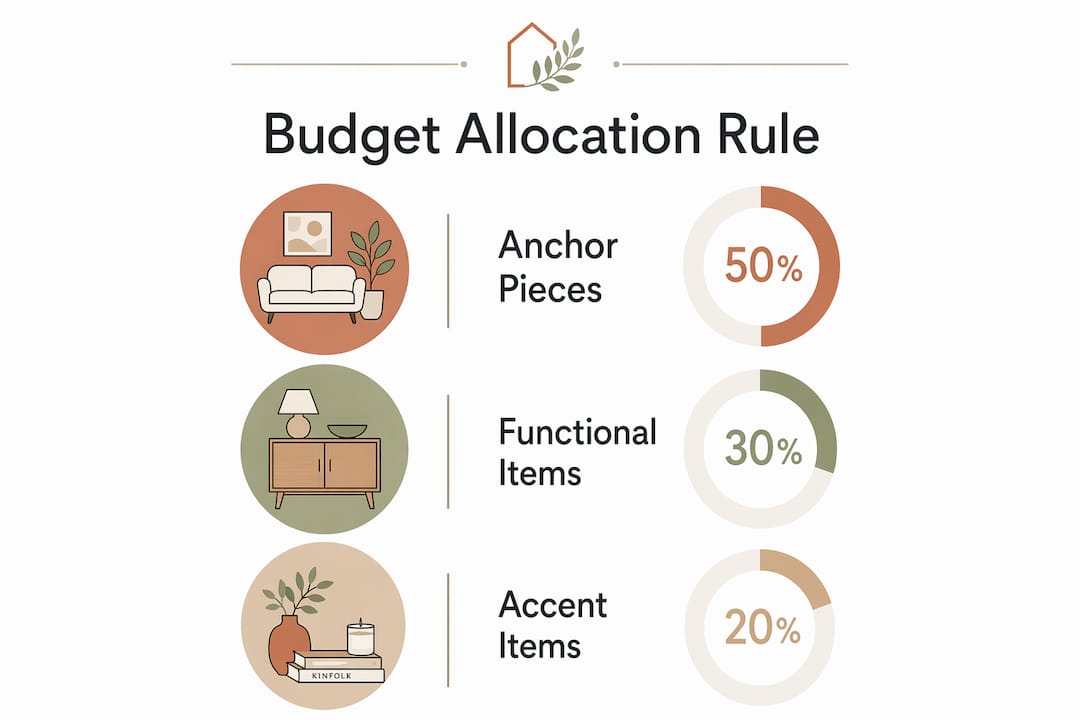
Affordability in décor is the deliberate allocation of resources to balance cost, function, and style, enabling homeowners to create spaces they genuinely love within realistic budgets. The role of affordability in décor goes far beyond spending less. It shapes every decision, from which sofa anchors a room to which cushions sit on it. Budget-conscious design is the recognised industry term for this practice, and it draws on frameworks used by professional interior stylists. The 60/25/15 budget allocation framework, for example, assigns 60% of your total budget to one or two primary anchor pieces, 25% to secondary functional items, and 15% to smaller accents. That single framework changes how you shop, what you prioritise, and how your finished room feels.
How should you allocate your budget for affordable home décor?
The 60/25/15 rule is the most practical starting point for budget-conscious design. It stops you from spreading money thinly across too many items and forces you to identify what truly anchors a room. Spend the majority on one or two pieces that define the space, such as a sofa, a bed frame, or a dining table. Secondary spend covers functional items like shelving, side tables, and lighting. The remaining 15% goes to decorative accents: candles, cushions, and ornaments.

What do realistic room budgets look like?
Room refresh costs vary widely, but 2026 benchmarks give useful targets. A complete living room refresh sits between £120 and £400. A bedroom update runs between £80 and £280, and a bathroom refresh can cost as little as £25 to £80. These figures assume you keep existing furniture and focus on textiles, lighting, and accessories.
| Room | Budget range | Primary spend |
|---|---|---|
| Living room | £120–£400 | Rug or statement cushions |
| Bedroom | £80–£280 | Bedding and lighting |
| Bathroom | £25–£80 | Towels and accessories |
Pro Tip: Start with the room you use most. Improving a high-traffic space delivers the greatest daily return on your spend.
Prioritising high-impact areas also boosts perceived value across the whole home. A well-styled living room makes every adjacent space feel more considered. You do not need to redecorate every room at once. Tackle one room at a time, apply the 60/25/15 split, and let each space inform the next.
What are the best cost-effective design solutions for style without sacrificing quality?
The High-Low Matrix is the most effective method for achieving a polished look on a budget. It works by splitting your purchases into two categories: items you touch and use daily, and items you only see. Spend more on tactile, high-use pieces. Spend less on visual accents.
Splurge versus save: where to put your money
- Splurge on sofas, mattresses, rugs, and dining chairs. These items affect comfort directly, and cost-per-use makes a quality sofa far cheaper over five years than a cheap one replaced twice.
- Save on wall art, decorative vases, throw blankets, and seasonal accessories. These items carry visual weight but no ergonomic load.
- Invest in texture and layering. A cotton throw, a woven rug, and a linen cushion together create depth that looks expensive without costing much.
- Avoid matching sets. Rooms furnished entirely from one collection look flat. Mixing pieces from different sources creates a layered, collected look that reads as intentional rather than budget-driven.
One of the most common mistakes in budget decorating is buying too many small accessories. A shelf crowded with ten cheap ornaments looks cluttered. Two well-chosen pieces look deliberate. Scale matters enormously. Large, grounding décor items create more visual impact than a collection of small, random objects that leave a room feeling “decorated by inches.”
Pro Tip: Before buying anything new, walk through your room and remove every item that does not serve a clear purpose. You may find you need less than you thought.
Perception leverage is another principle worth understanding. Small décor upgrades such as a new rug or a set of quality cushions can shift the perceived quality of an entire room more dramatically than structural changes. A £60 rug placed under a sofa makes the whole seating area feel anchored and finished. That is perception leverage in practice.
How does affordability in décor affect comfort, functionality, and long-term satisfaction?
Budget-driven design, done well, prioritises the things that matter most to daily life: comfort, ease of movement, good lighting, and practical storage. These are not luxury considerations. They are the foundations of a home that works for the people living in it.
Ergonomics belongs in every budget conversation. A chair at the right height, a lamp positioned to reduce eye strain, a rug that softens a hard floor. None of these require significant spend. They require attention. Affordability reveals true homeowner priorities, focusing on comfort, identity, and utility rather than luxury or trend-chasing.
“A thoughtfully budgeted room focuses on comfort, utility, accessibility, and meaningful lived experience rather than resale value or passing trends. Constraint, applied with intention, produces spaces that feel genuinely personal.”
The cost-per-use mindset extends this thinking further. A £200 mattress topper used every night for five years costs less per use than a £40 decorative lamp that sits unused in a corner. Thinking in cost-per-use terms shifts your attention away from the price tag and towards the actual value an item delivers. That shift produces better decisions and longer-lasting satisfaction.
Sustainability also connects to affordability. Buying fewer, better items reduces waste and replacement costs over time. A well-chosen, durable piece bought once outperforms three cheap replacements bought over the same period. Budget decorating, at its best, is also the most sustainable approach to furnishing a home.
What actionable tips help you decorate affordably without compromising style?
The most effective first step is subtraction, not addition. Removing around 30% of existing décor objects immediately upgrades the feel of a room without spending a penny. Clutter dilutes the impact of every piece you own. Editing creates space for what remains to breathe.
A practical approach to decorating on a budget
- Edit first. Remove items that do not earn their place. A clear surface reads as confident and considered.
- Float your furniture. Pulling sofas and chairs away from walls creates a more social, finished layout without any cost.
- Mix sources deliberately. Combine one or two new pieces from a curated retailer like Homable with thrifted finds and DIY projects. The contrast creates authenticity.
- Focus on one large item per room. A statement rug, a bold piece of quality wall art, or a solid wood storage unit anchors the room and reduces the temptation to fill space with small, cheap additions.
- Use lighting as a multiplier. Warm bulbs and layered light sources (overhead, table, and floor lamps) transform the atmosphere of any room at minimal cost.
Beyond these steps, patience is a genuine design tool. Buying everything at once leads to mismatched impulse purchases. Building a room gradually, adding one considered piece at a time, produces a more cohesive result. For room-specific guidance, Homable’s room-by-room décor tips break down priorities by space.
- Living room: Prioritise a quality rug and one anchor cushion set. Add art last.
- Bedroom: Invest in bedding first. Good linen changes the entire feel of a room.
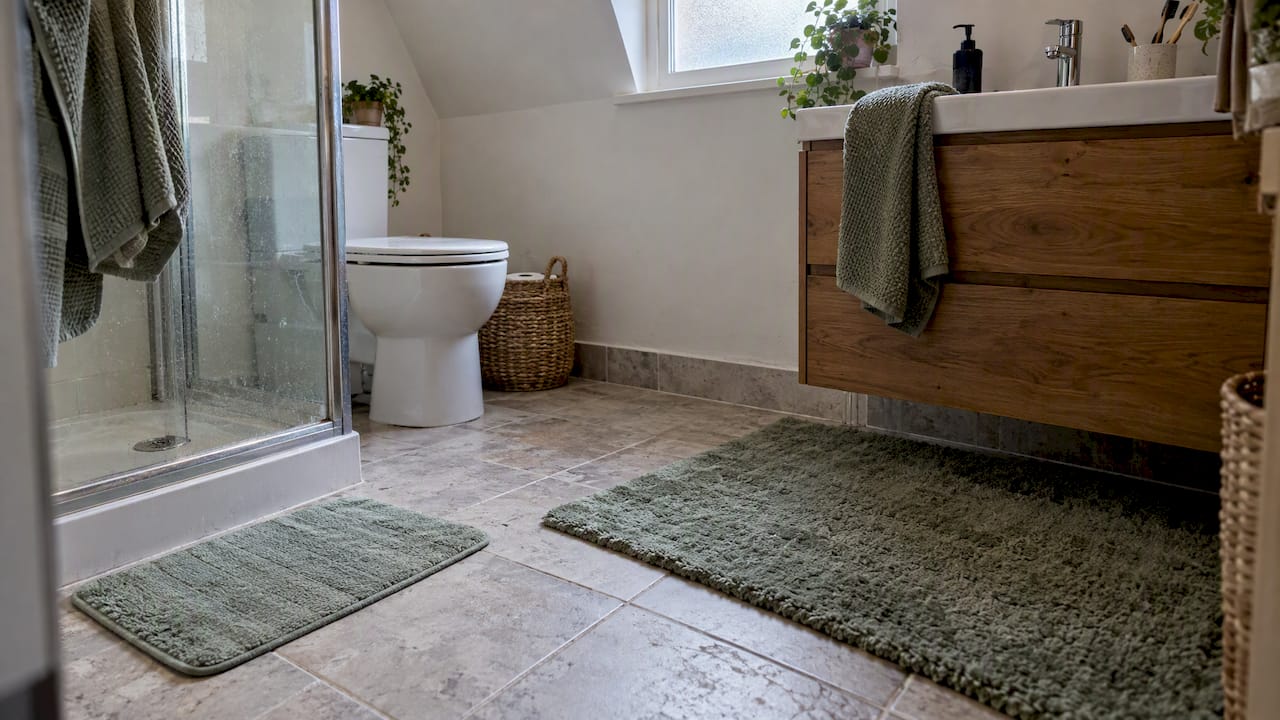
- Bathroom: Fresh towels, a plant, and a single framed print cost under £50 and deliver a clear upgrade.
- Hallway: A mirror and a storage solution (hooks or a slim cabinet) make the first impression count.
For more ideas, Homable’s guide to affordable décor ideas covers specific product choices that deliver high impact at low cost.
Key takeaways
Budget-conscious design works best when you allocate spending deliberately, prioritise tactile and high-use items, and subtract before you add.
| Point | Details |
|---|---|
| Use the 60/25/15 rule | Assign 60% to anchor pieces, 25% to functional items, and 15% to accents. |
| Apply the High-Low Matrix | Spend more on daily-use items; save on visual accents and seasonal accessories. |
| Edit before you buy | Removing 30% of existing objects upgrades room feel at zero cost. |
| Think in cost-per-use | Durable, high-use pieces deliver better long-term value than cheap replacements. |
| Scale over quantity | One large, grounding piece creates more impact than many small accessories. |
Why constraint is the most underrated design tool
People often assume that a bigger budget produces a better room. My experience watching rooms come together tells a different story. The most considered, characterful spaces I have seen were built under tight constraints. Constraint forces clarity. When you cannot buy everything, you choose only what genuinely matters.
Affordability also reveals something honest about a homeowner’s priorities. A room built around comfort, good light, and practical storage reflects real life. A room built around trends and matching sets often feels like a showroom: impressive for five minutes, then hollow. The homes that stay beautiful for years are the ones where every piece was chosen with purpose, not purchased to fill a gap.
The biggest shift I would encourage is moving from “how do I make this look expensive?” to “how do I make this feel right?” Those are different questions with different answers. The first leads to imitation. The second leads to a home that is genuinely yours. Budget decorating, approached with patience and intention, is not a compromise. It is a discipline. And like most disciplines, it produces better results than the undisciplined alternative.
— Cristiano
Homable’s curated range for budget-conscious decorating
Homable brings together a curated selection of home décor and storage pieces designed for homeowners who want quality without overspending.
The VidaXL Shoe Cabinet VIGO in solid wood pine is a strong example of the High-Low Matrix in action: a durable, well-made storage piece that anchors a hallway without the price tag of bespoke furniture. Homable offers free shipping on orders over £100, making it straightforward to invest in one quality anchor piece and have it delivered without added cost. Browse the full range at Homable to find pieces that fit both your space and your budget.
FAQ
What is the role of affordability in décor?
Affordability in décor is the deliberate allocation of a limited budget to balance cost, function, and style. It shapes which pieces you prioritise and how you build a room over time.
How do I start decorating on a budget?
Apply the 60/25/15 rule: spend 60% on one or two anchor pieces, 25% on functional items, and 15% on accents. Edit existing décor before buying anything new.
What are the best cost-effective design solutions for a small room?
Focus on one large grounding piece, such as a rug or a mirror, rather than many small accessories. Good lighting and floating furniture away from walls also improve the feel of a small space at minimal cost.
Does affordable décor have to look cheap?
No. Mixing quality staples with thrifted or DIY pieces creates a layered, collected look that reads as intentional. The key is scale, texture, and editing rather than spending more.
How much should I spend on a room refresh?
Based on 2026 benchmarks, a living room refresh costs between £120 and £400, a bedroom between £80 and £280, and a bathroom between £25 and £80, assuming existing furniture is kept.