Cart
0

TL;DR:
- Sustainable decor emphasizes environmentally responsible, healthy, and durable home furnishings. It relies on certified materials, lifecycle planning, and waste reduction. Focusing on responsible sourcing and certification verification creates healthier indoor environments and reduces environmental impact.
Sustainable decor is defined as the practice of choosing home furnishings, finishes, and accessories that prioritise environmental responsibility, human health, and long-term durability. The industry term is sustainable interior design, and it covers everything from the timber in your shelving to the dye in your curtains. Key practices include choosing FSC-certified wood, organic textiles, and low-VOC finishes to reduce chemical exposure and landfill contributions. Certifications such as FSC, GREENGUARD, and Cradle to Cradle give you a verifiable way to separate genuine sustainability from marketing claims. This guide explains what eco decor means in practice, what benefits it delivers, and how to apply it room by room without sacrificing style.
What is sustainable decor, and what principles define it?
Sustainable decor rests on four core principles: responsible sourcing, non-toxic materials, lifecycle thinking, and waste reduction. Responsible sourcing, energy-conscious decisions, reusability, and recyclability are the defining features of sustainable interior design. Each principle shapes the choices you make before a single item enters your home.
Materials that qualify as sustainable
The most widely used sustainable materials are reclaimed wood, bamboo, cork, recycled glass, and natural textiles such as linen, hemp, and organic cotton. Bamboo grows to harvest maturity in three to five years, compared to decades for hardwood. Cork regenerates after harvesting without killing the tree. These characteristics make both materials genuinely low-impact, not just marketed as such.
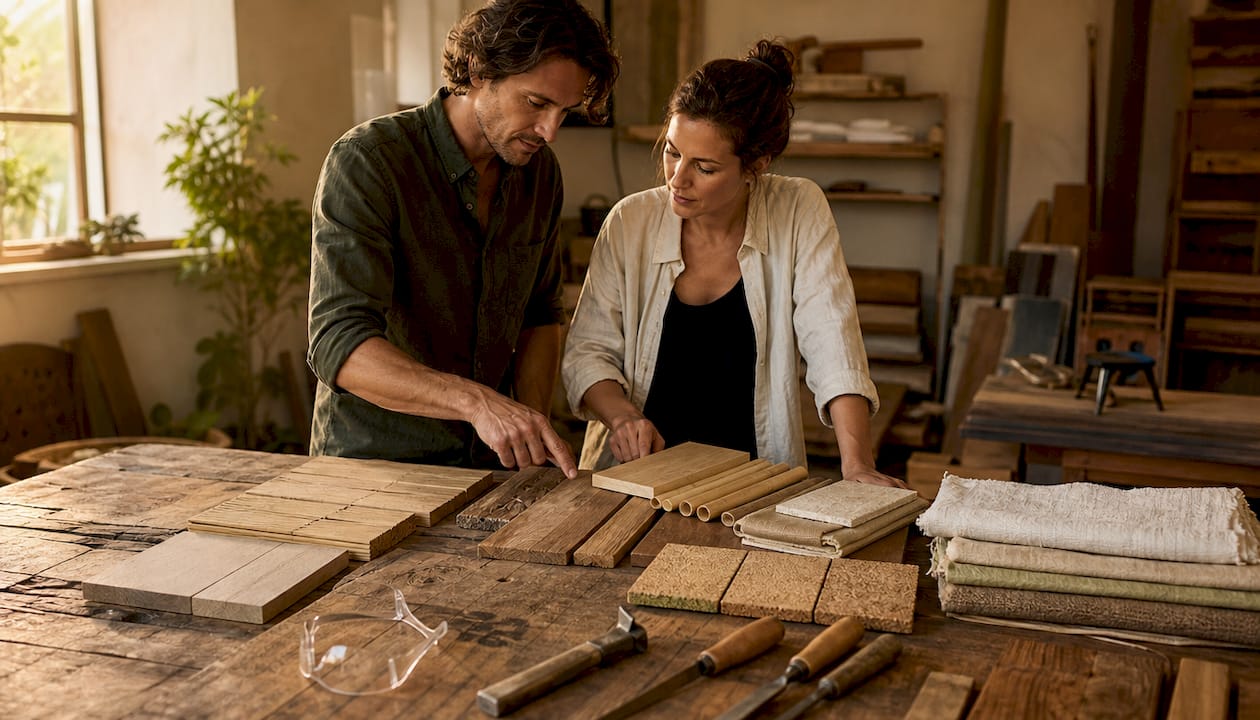
For textiles, sustainable fabrics for designers and homeowners typically means fibres grown without synthetic pesticides, processed without harmful dyes, and finished without formaldehyde treatments. Organic cotton, linen, and recycled polyester from post-consumer plastic bottles all meet this standard. The fibre alone does not determine sustainability. Processing and transport matter equally.
The role of low-VOC finishes and certified products
Volatile organic compounds (VOCs) are chemicals released by paints, adhesives, and synthetic finishes. Low-VOC paints, natural textiles, and formaldehyde-free wood products contribute directly to a healthier indoor environment. GREENGUARD certification confirms that a product meets strict chemical emission limits. Without that certification, a “natural” label on a tin of paint tells you very little.
Pro Tip: When buying paint, look for the GREENGUARD Gold certification rather than the standard GREENGUARD mark. Gold sets tighter limits on VOC emissions and is the benchmark used in schools and healthcare buildings.
| Material | Conventional alternative | Key advantage |
|---|---|---|
| FSC-certified timber | Uncertified hardwood | Verified responsible forest management |
| Organic cotton textiles | Conventional cotton | No synthetic pesticides or harmful dyes |
| Recycled glass surfaces | Virgin glass or plastic | Diverts waste from landfill |
| Low-VOC paint | Standard emulsion | Reduces indoor chemical emissions |
| Reclaimed wood furniture | New MDF or chipboard | Extends material lifecycle, zero new felling |
What are the benefits of sustainable decor?
The benefits of sustainable decor fall into three categories: health, environmental impact, and long-term cost. Each is concrete and measurable, not aspirational.
Health and indoor air quality
Sustainable interiors improve indoor air quality by reducing VOC emissions, which lowers the risk of respiratory issues and allergies. The same source notes that natural light and non-toxic materials also support better mental well-being and reduced stress. These are not minor gains. Adults in the UK spend roughly 90% of their time indoors, so the quality of indoor air has a direct effect on daily health.
Formaldehyde-free boards, natural fibre rugs, and GREENGUARD-certified furniture all contribute to cleaner air without requiring any lifestyle change beyond the initial purchase decision.
Environmental impact
Durable and recyclable components reduce environmental harm and lower maintenance requirements over time. The contrast with fast decor is stark. A sofa designed to last 15 years reduces environmental impact compared to one replaced every five years. That single purchasing decision eliminates two full production and disposal cycles.
Repairing and reusing existing furniture is one of the most effective ways to reduce your personal environmental footprint. Reuse extends a product’s lifecycle and keeps materials out of landfill without requiring any new manufacturing at all.
Long-term cost savings
Durable furniture costs more upfront. It costs significantly less over a decade. A solid oak dining table bought secondhand and refinished once will outlast three rounds of flat-pack replacements at a fraction of the total spend. The sustainable homeware buying guide from Homable breaks down this cost comparison in practical terms for common household items.
How to decorate sustainably: a practical approach
Applying sustainable home design does not require a full renovation. Most people can make meaningful changes with the items they already own and a more deliberate approach to new purchases.
- Audit what you already have. Before buying anything, identify what can be repaired, repainted, or repurposed. A worn sofa with a solid frame is a reupholstery project, not a disposal problem.
- Prioritise certifications over claims. Verifiable certifications like Cradle to Cradle evaluate health, recyclability, and ethical production across a product’s full lifecycle. FSC covers timber. GREENGUARD covers chemical emissions. Look for these marks before trusting any “eco-friendly” label.
- Choose timeless over trend-led. Fast decor trends drive the same waste cycle as fast fashion. A neutral linen sofa or a reclaimed wood shelf will look considered in ten years. A brightly coloured accent piece tied to a 2024 trend will not.
- Source secondhand and local first. Charity shops, reclamation yards, and local makers all reduce transport emissions and support circular material flows. Secondhand does not mean compromised quality. It often means better construction than new budget alternatives.
- Manage budget with sequencing. Start with high-impact, high-use items: sofas, beds, and flooring. These are the pieces you interact with most and replace least often. Accessories and decorative objects can follow as budget allows.
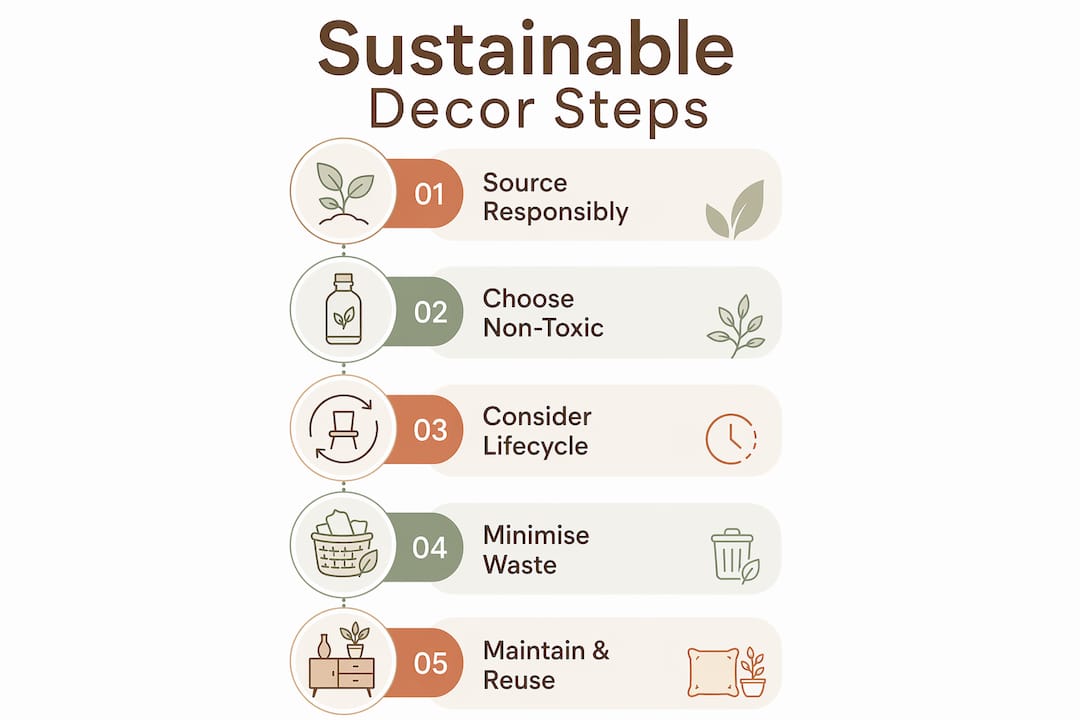
Pro Tip: The sustainable decor workflow from Homable sets out a five-step process for applying these choices room by room, which makes the sequencing decision much easier in practice.
The 2026 room styling guide from Homable also covers how to apply these principles to specific rooms, including which certifications matter most for each space.
Common misconceptions about eco-friendly interior design
The biggest mistake in sustainable decorating is confusing marketing language with verified sustainability. Many products marketed as “green” lack scientific basis. Without a recognised certification, the word “natural” on a product label is a design choice, not a guarantee.
Several other misconceptions consistently lead decorators astray:
- “Natural” does not mean non-toxic. Arsenic is natural. Formaldehyde occurs in some wood species. The relevant question is whether a product has been tested and certified to meet emission standards, not whether its ingredients sound botanical.
- Retrofitting sustainability is expensive. Integrating sustainability early in planning avoids the cost and complexity of late-stage changes. Deciding to add insulation or switch to low-VOC finishes after a room is complete costs significantly more than specifying them at the outset.
- Sustainable interiors do not have to be austere. The assumption that eco-friendly design means bare walls and undyed linen is outdated. Reclaimed timber, handmade ceramics, and natural dye textiles are all visually rich materials.
- One sustainable product does not make a sustainable room. A single bamboo shelf in a room full of off-gassing MDF and synthetic carpet delivers minimal benefit. Sustainability works as a system, not a single purchase.
Disciplined sequencing in sustainable design prevents budget drift and ensures that values, not impulse purchases, drive the outcome. The discipline is the practice.
Key takeaways
Sustainable decor delivers measurable health, environmental, and financial benefits only when certifications, material choices, and lifecycle thinking are applied together from the start.
| Point | Details |
|---|---|
| Definition is precise | Sustainable decor covers sourcing, materials, lifecycle, and waste reduction, not just product labels. |
| Certifications are non-negotiable | FSC, GREENGUARD, and Cradle to Cradle are the only reliable ways to verify sustainability claims. |
| Health benefits are direct | Low-VOC materials and natural textiles reduce indoor air pollution and support respiratory health. |
| Durability beats fast decor | A piece designed to last 15 years eliminates multiple production and disposal cycles. |
| Plan early, not late | Retrofitting sustainable choices after a room is finished costs more and delivers less. |
Why I think most people approach sustainable decor backwards
Most decorators I speak with start with a product. They find a bamboo lamp or an organic cotton cushion, buy it, and feel they have made a sustainable choice. The product may well be excellent. But the approach is backwards.
Sustainability in the home is a planning decision before it is a purchasing decision. The materials you specify for floors, walls, and upholstery determine 80% of your environmental and health outcomes. The accessories determine the rest. Starting with accessories and working backwards is like choosing a car’s seat fabric before deciding whether to buy a petrol or electric engine.
The other pattern I see regularly is over-reliance on aesthetics as a proxy for ethics. Undyed linen and raw timber look sustainable. They often are. But a product’s appearance tells you nothing about its supply chain, its chemical treatment, or its end-of-life recyclability. That is exactly why Cradle to Cradle certification evaluates all five of those dimensions, not just the material itself.
My honest advice: spend the first hour of any decorating project writing down what you already own and what can be repaired or repurposed. That single exercise will do more for your environmental footprint than any new purchase. Sustainable home design is, at its core, a discipline of restraint applied before it becomes a catalogue of choices.
— Cristiano
Homable’s curated selection for eco-conscious decorators
Choosing sustainable pieces should not mean hours of research for every purchase. Homable brings together a curated range of eco-friendly home decor that meets the standards covered in this guide, from natural textile accessories to responsibly sourced decorative objects.
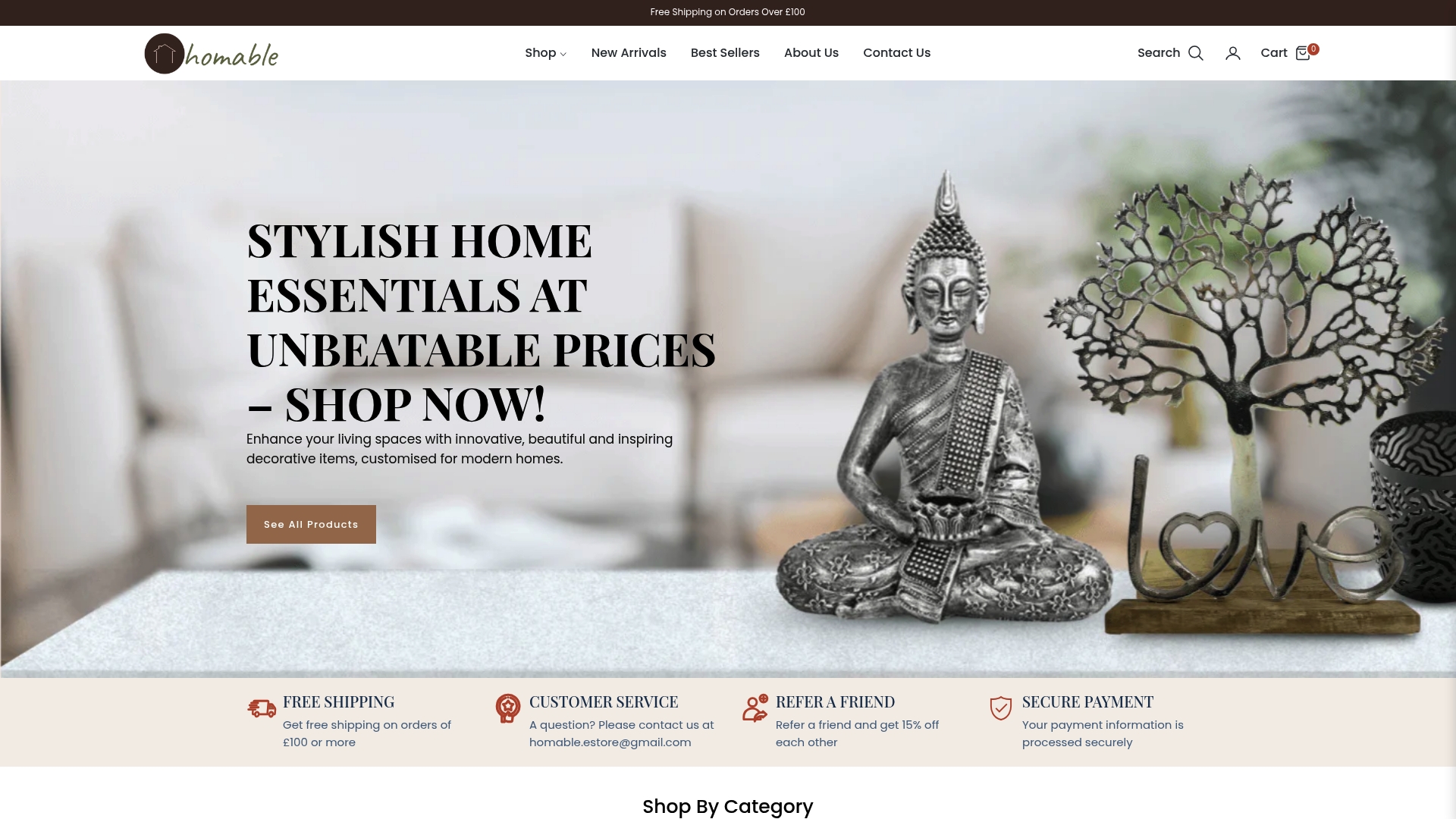
The Homable shop is organised by room and style, so you can apply the sequencing approach described here without starting from scratch. Free shipping applies to orders over £100, and the blog covers practical guidance on certifications, material choices, and budget-conscious sustainable styling. Whether you are furnishing a new space or refreshing an existing one, Homable gives you a starting point that is already filtered for quality and responsibility.
FAQ
What is the simplest definition of sustainable decor?
Sustainable decor is the practice of choosing home furnishings and finishes that are durable, non-toxic, ethically sourced, and designed to minimise waste across their full lifecycle.
Which certifications should I look for when buying sustainable home decor?
The three most reliable certifications are FSC for timber products, GREENGUARD for chemical emissions, and Cradle to Cradle for overall lifecycle sustainability including health, recyclability, and ethical production.
Does sustainable decor cost more than conventional decorating?
Upfront costs are often higher, but durable sustainable pieces cost less over time. A sofa designed to last 15 years eliminates two full replacement cycles compared to a cheaper alternative replaced every five years.
Is secondhand furniture considered sustainable?
Repairing and reusing existing furniture is one of the most effective ways to reduce your environmental footprint, as it extends the product’s lifecycle and avoids new manufacturing entirely.
What is the difference between “natural” and “sustainable” in home decor?
A natural material is not automatically sustainable. Sustainability requires verified sourcing, low chemical processing, and end-of-life recyclability. Certifications like GREENGUARD and Cradle to Cradle confirm these factors; a “natural” label alone does not.