Cart
0
TL;DR:
- Sustainable room styling focuses on eco-friendly materials, energy efficiency, and mindful consumption to reduce environmental impact. Choosing certified, durable, and natural materials like reclaimed wood and wool enhances longevity and authenticity. Simple upgrades like LED lighting, secondhand furniture, and natural plants significantly support sustainability goals.
Sustainable room styling is the practice of designing and decorating living spaces using eco-friendly materials, energy-efficient solutions, and thoughtful consumption habits that reduce environmental impact while enhancing comfort and aesthetic appeal. The industry term for this approach is sustainable interior design, and it covers everything from the paint on your walls to the lightbulbs in your ceiling. This guide to sustainable room styling covers LED lighting, certified eco-materials, upcycling, and biophilic design, giving you a clear path from intention to action. Replacing incandescent bulbs with LEDs is one of the quickest wins available, and it costs almost nothing to start. Certifications such as FSC, OEKO-TEX, and Cradle to Cradle exist precisely to cut through greenwashing and point you toward products that genuinely deliver.
What materials and furnishings qualify as truly sustainable?
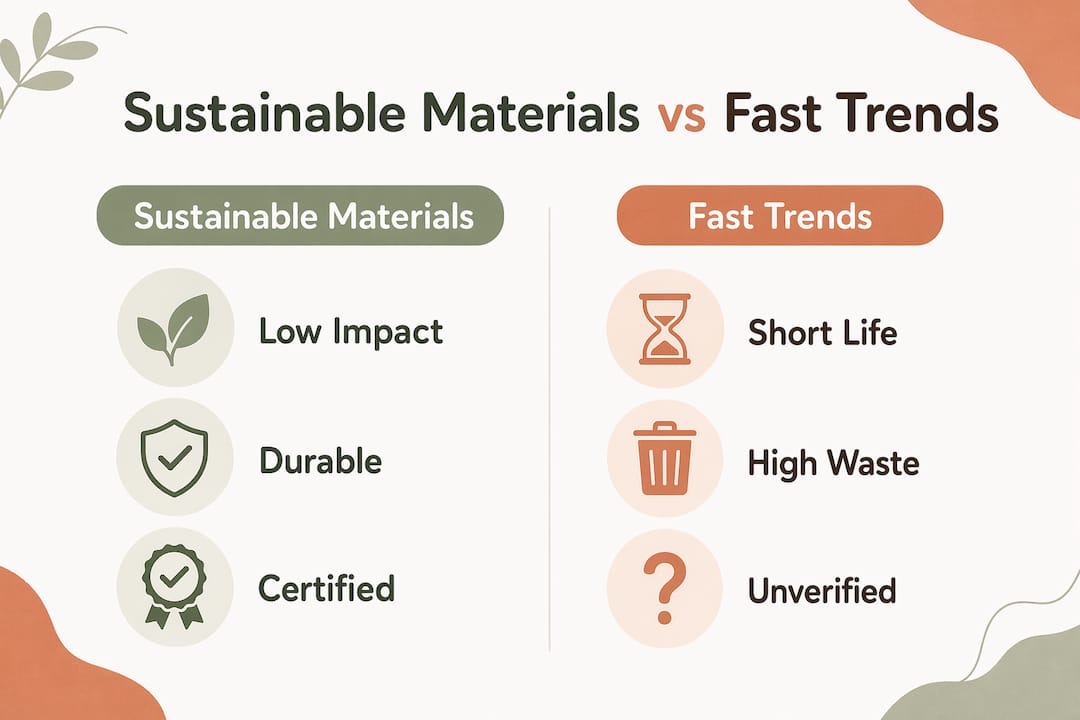
Sustainable materials share three qualities: low environmental impact during production, durability over time, and safe off-gassing in your home. Reclaimed wood, bamboo, cork, wool, jute, recycled glass, and zero-VOC paint all meet this standard. Synthetic materials such as virgin polyester or PVC fail on at least two of those counts.
Durability is the most underrated factor in sustainable interior design. A solid oak sideboard bought once and kept for thirty years has a far lower environmental footprint than three cheap flatpack alternatives bought over the same period. Durability and certifications are the two most reliable filters for genuine eco-friendly room decor. That means ignoring marketing language and reading the label instead.
Certifications worth knowing:
- FSC (Forest Stewardship Council): Confirms timber was harvested responsibly.
- OEKO-TEX Standard 100: Guarantees textiles are free from harmful chemicals.
- Cradle to Cradle: Rates products on material health, recyclability, and carbon management.
- GreenGuard Gold: Certifies low chemical emissions, particularly relevant for paints and flooring.
- GOTS (Global Organic Textile Standard): Covers organic fibre from farm to finished product.
Fast trend cycles are the enemy of sustainable interior design. Buying a terracotta-coloured rug because it is fashionable this season, then replacing it in two years, produces far more waste than choosing a neutral, timeless piece and keeping it. Timeless design choices reduce both cost and environmental impact over time.
Pro Tip: When shopping for affordable sustainable furniture, search for pieces made from a single material type. Single-material items are far easier to recycle or compost at end of life than composite products bonded with synthetic adhesives.
How can lighting and energy efficiency be improved sustainably?
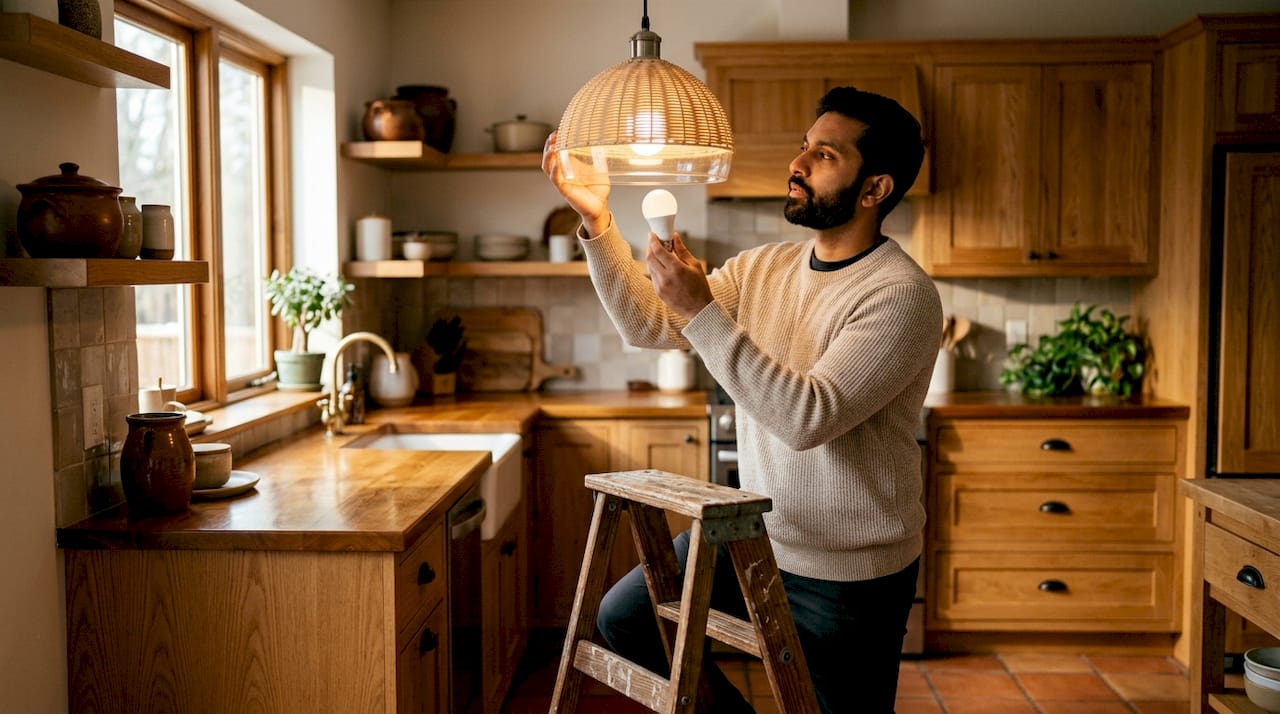
LED lighting is the single fastest change you can make to reduce your home’s energy use. LEDs use 75% less energy and last up to 25 times longer than incandescent bulbs. That lifespan difference means fewer bulbs in landfill and a noticeably lower electricity bill within the first month.
Natural light is free and often underused. Placing mirrors opposite windows doubles the effective light in a room without drawing any power. Choosing pale, reflective wall colours such as off-white or soft stone amplifies daylight further. Both tactics reduce your reliance on artificial lighting during daytime hours.
Temperature control is another area where small changes compound quickly:
- Install a programmable thermostat. Setting it to drop a few degrees overnight cuts heating costs without any sacrifice in comfort.
- Use ceiling fans correctly. Ceiling fans reduce perceived temperature by up to 4°F in summer, meaning you can raise the air conditioning thermostat and use less energy.
- Reverse your ceiling fan in winter. Running it clockwise at low speed pushes warm air down from the ceiling, reducing heating demand.
- Check furnace filters monthly. A clogged filter forces the system to work harder, increasing energy consumption and shortening the unit’s lifespan.
Water efficiency belongs in any guide to eco-friendly home styling, even when the focus is on rooms rather than plumbing. WaterSense low-flow showerheads save an average household 2,700 gallons of water per year. That is a meaningful reduction achievable with a single afternoon’s work and a modest upfront cost.
Pro Tip: Before buying an air purifier for your bedroom, measure the room’s humidity first. Managing indoor humidity is a simpler and often overlooked step for improving air quality and sleep comfort, and a basic hygrometer costs under £15.
What waste reduction practices support sustainable room styling?
The most sustainable purchase is often no purchase at all. Waiting for a piece of furniture to genuinely fail before replacing it is a principle that reduces embodied environmental impact significantly. Embodied energy refers to all the energy used to extract, manufacture, and transport a product. Buying secondhand sidesteps most of that cost entirely.
“Choosing secondhand over new sustainable items lowers the embodied energy impact significantly.” Secondhand markets such as eBay, Vinterior, and local charity shops give existing furniture a second life without generating new manufacturing emissions.
Upcycling is the next step up from buying secondhand. Repainting a tired chest of drawers, reupholstering a chair with a GOTS-certified fabric, or adding new handles to kitchen cabinets transforms a piece without replacing it. These projects cost a fraction of buying new and produce almost no waste. A room-by-room approach to assessing what you already own before shopping is one of the most practical frameworks for reducing clutter and consumption simultaneously.
Greenwashing is a genuine problem in the home decor market. Brands use terms like “natural,” “eco,” and “green” with no legal obligation to back them up. The defence is straightforward: verify claims with certifications rather than trusting marketing copy. If a product cannot point to FSC, OEKO-TEX, or an equivalent standard, treat the claim with scepticism.
Minimalist sustainable decor also reduces waste by design. Fewer objects mean fewer replacements, less cleaning, and a calmer visual environment. Choosing one well-made decorative piece over five cheap ornaments is both a financial and an environmental decision.
How does biophilic design support wellbeing and sustainability?
Biophilic design is the practice of bringing natural elements, patterns, and materials into interior spaces to support human health and reduce stress. It is not a trend. It is grounded in decades of environmental psychology research showing that humans respond positively to nature-derived stimuli. Curved furniture and natural textures provide measurable calming effects, reducing stress and promoting a sense of ease in a room.
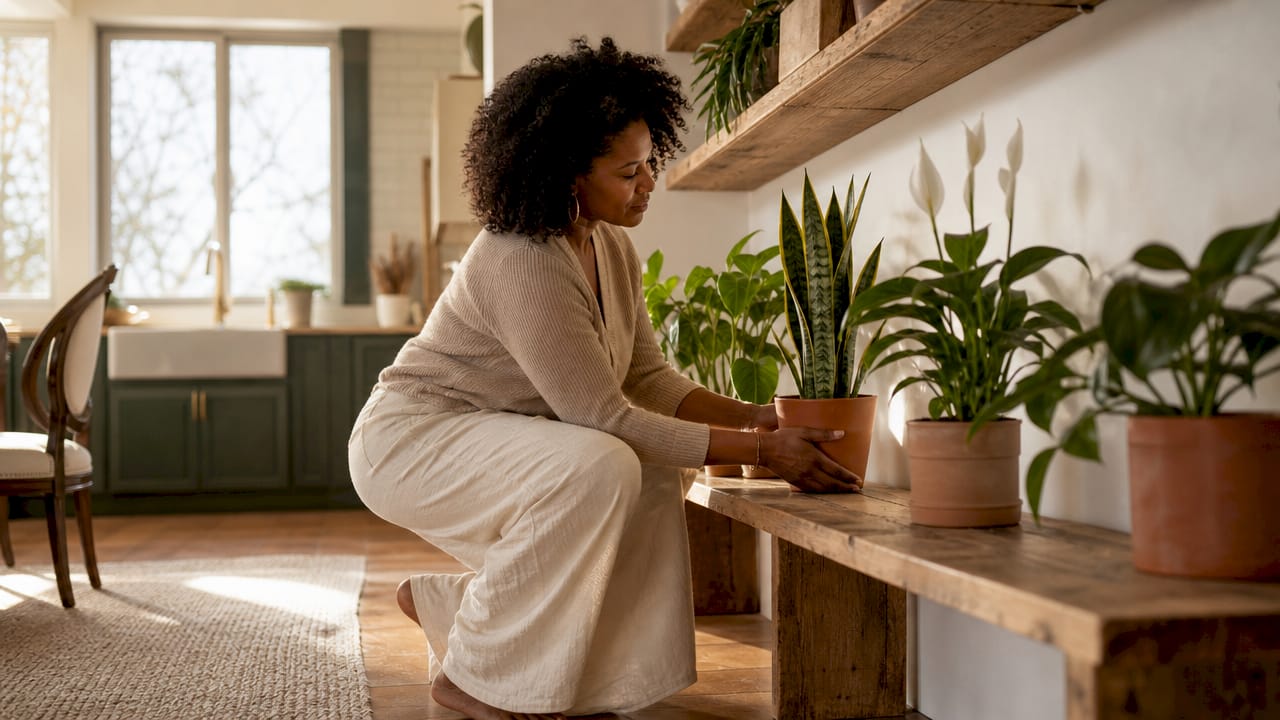
The best plants for room styling serve both aesthetic and functional purposes. Spider plants, peace lilies, and snake plants are low-maintenance, widely available, and contribute to cleaner indoor air. Positioning them near windows maximises their growth without supplemental lighting. A cluster of three plants in varying heights creates visual interest without requiring any synthetic decor.
| Natural element | Primary benefit | Maintenance level |
|---|---|---|
| Snake plant | Air purification, low water needs | Very low |
| Spider plant | Removes airborne toxins | Low |
| Peace lily | Humidity regulation, air quality | Low to medium |
| Reclaimed wood shelf | Texture, warmth, zero new timber | None after installation |
| Wool rug | Insulation, tactile comfort | Low |
| Cork flooring | Sound absorption, renewable material | Low |
Natural materials such as wood, stone, and wool add texture that synthetic alternatives cannot replicate. Natural textures like wood and wool lower stress without requiring a full redesign. A single wooden bowl on a kitchen counter or a jute runner in a hallway introduces enough organic texture to shift the atmosphere of a room. These are small, affordable changes with a disproportionate effect on how a space feels.
Pro Tip: When styling a green room, layer textures rather than colours. A linen cushion on a wool throw on a reclaimed wood bench creates depth and warmth using entirely natural, sustainable materials.
Key takeaways
Sustainable room styling works best when you prioritise durability, certifications, and natural materials over trend-driven purchases and unverified eco-claims.
| Point | Details |
|---|---|
| Certifications over claims | Look for FSC, OEKO-TEX, and GreenGuard Gold to verify genuine sustainability. |
| LED lighting first | Switching to LEDs cuts energy use by 75% and is the fastest single improvement available. |
| Secondhand reduces impact | Buying secondhand lowers embodied energy far more than buying new sustainable goods. |
| Biophilic touches improve wellbeing | Curved forms, natural textures, and plants reduce stress without requiring a full redesign. |
| Durability beats trends | One well-made, timeless piece produces less waste than several trend-driven replacements. |
Why I think most people overcomplicate sustainable styling
The most common mistake I see is treating sustainable interior design as an all-or-nothing project. People read about reclaimed timber flooring, solar panels, and certified organic paint, then conclude it is too expensive or too complicated and do nothing. That logic is backwards.
The most impactful changes are also the cheapest. Swapping to LED bulbs, buying a secondhand lamp instead of a new one, and adding a snake plant to a windowsill costs under £50 in total. Those three moves address energy, embodied carbon, and air quality simultaneously. Start there, not with a full renovation.
I have also noticed that the wellbeing benefits arrive faster than the environmental ones. Within a week of adding natural textures and a few plants to a room, the space feels calmer and more comfortable. That immediate feedback is what keeps people going. The environmental impact compounds quietly in the background, but the comfort improvement is instant.
The one area where I urge caution is greenwashing. The home decor market is full of products labelled “eco” with no certification to support the claim. Slow down, check for FSC or OEKO-TEX, and read the product specification rather than the marketing headline. A sustainable decor workflow that builds in a verification step before every purchase saves both money and frustration in the long run.
— Cristiano
Sustainable home styling resources at Homable
Homable brings together curated home decor that balances style, quality, and affordability, making it straightforward to find pieces that fit a considered, eco-aware interior.
The Homable blog covers eco-friendly styling ideas in depth, from identifying genuinely sustainable products to avoiding greenwashing when refreshing a room. The product range includes rugs, ornaments, storage solutions, and textiles selected with both design and longevity in mind. Free shipping applies on orders over £100, making it practical to invest in a few well-chosen pieces at once. Browse the full collection and styling guides at Homable to find your next considered addition to the home.
FAQ
What is sustainable room styling?
Sustainable room styling is the practice of decorating and furnishing living spaces using eco-friendly materials, energy-efficient products, and mindful purchasing habits. The goal is to reduce environmental impact while creating a comfortable, attractive home.
What certifications should I look for in sustainable home decor?
Look for FSC for wood products, OEKO-TEX Standard 100 for textiles, GreenGuard Gold for low-emission paints and flooring, and GOTS for organic fabrics. These certifications verify claims independently and protect you from greenwashing.
How much energy do LED bulbs actually save?
LEDs use at least 75% less energy than incandescent bulbs and last up to 25 times longer. Switching an entire home to LED lighting produces a noticeable reduction in electricity bills within the first billing cycle.
Is buying secondhand always more sustainable than buying new eco-certified products?
Secondhand purchasing lowers embodied energy significantly compared to manufacturing new goods, even certified ones. Buying secondhand is generally the more sustainable choice unless the new product offers a substantial functional improvement.
What are the best plants for sustainable room styling?
Snake plants, spider plants, and peace lilies are the most practical choices. They are low-maintenance, widely available, improve indoor air quality, and require no synthetic fertilisers or specialist lighting to thrive indoors.