Cart
0
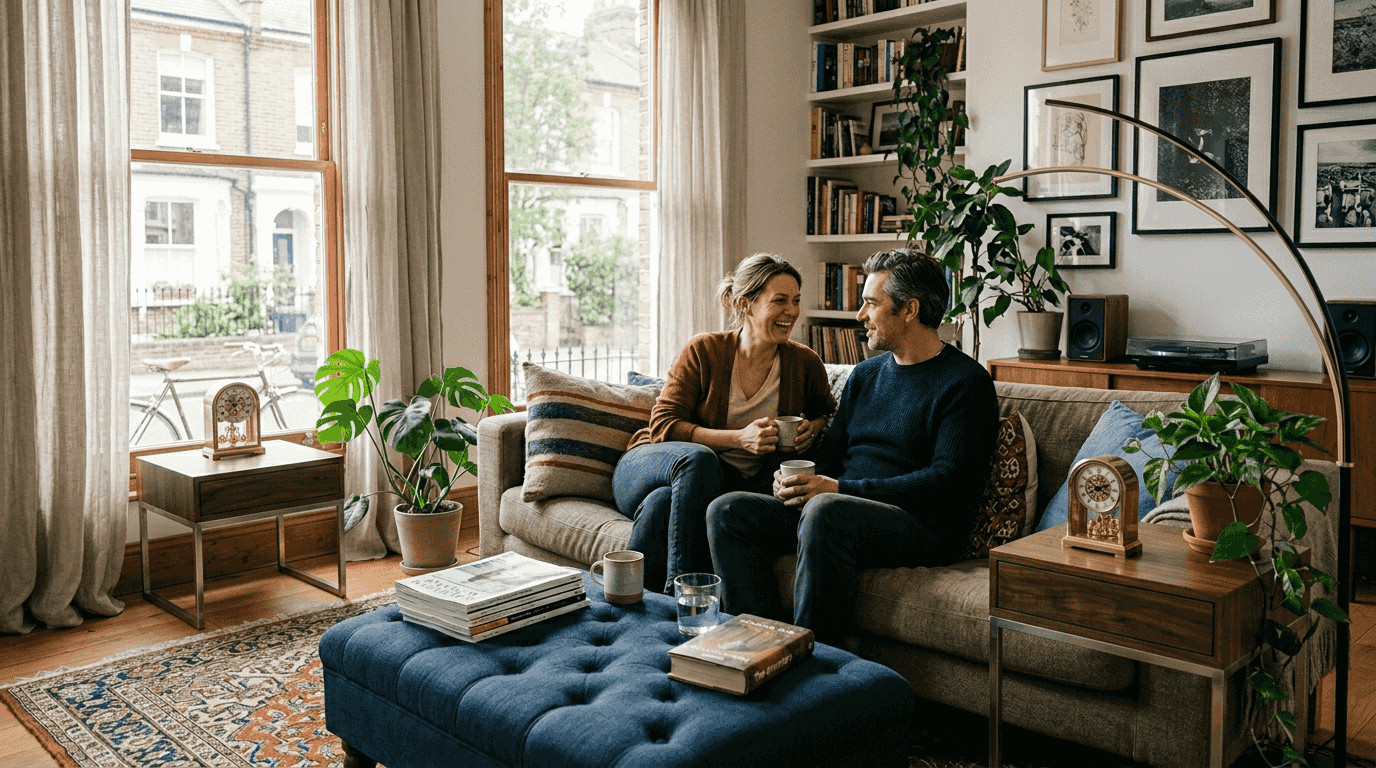
Many homeowners think transitional style means randomly mixing a Victorian chair with a glass coffee table and calling it balanced. True transitional design requires careful calibration, blending traditional warmth with contemporary clean lines to create spaces that feel both timeless and current. This guide explains what truly defines transitional style, the essential elements that make it work, and practical steps to apply this versatile approach in your home.
Table of Contents
- Understanding Transitional Style: The Balanced Blend Of Classic And Modern
- Key Characteristics Of Transitional Interiors: Colours, Materials And Lighting
- Creating Functional Transitional Spaces: Balance, Storage And Practicality
- Common Mistakes And Expert Tips For Achieving Perfect Transitional Style
- Shop Stylish Home Essentials For Transitional Interiors
- What Is Transitional Style FAQ
Key takeaways
| Point | Details |
|---|---|
| Balanced aesthetic | Transitional style blends classic and modern elements to create a beautiful, timeless look without committing fully to either extreme. |
| Neutral foundation | Neutral colour palettes including beiges, greys, and taupes form the versatile base that promotes calm and visual balance. |
| Functional design | Built-in cabinetry and storage solutions maintain visual appeal whilst enhancing organisation and practicality. |
| Textural interest | Mixing materials like wood, metal, and varied fabrics adds warmth and depth without creating clutter or overwhelming spaces. |
| Statement lighting | Bold fixtures such as drum pendants and geometric chandeliers provide focal points that elevate overall sophistication. |
Understanding transitional style: the balanced blend of classic and modern
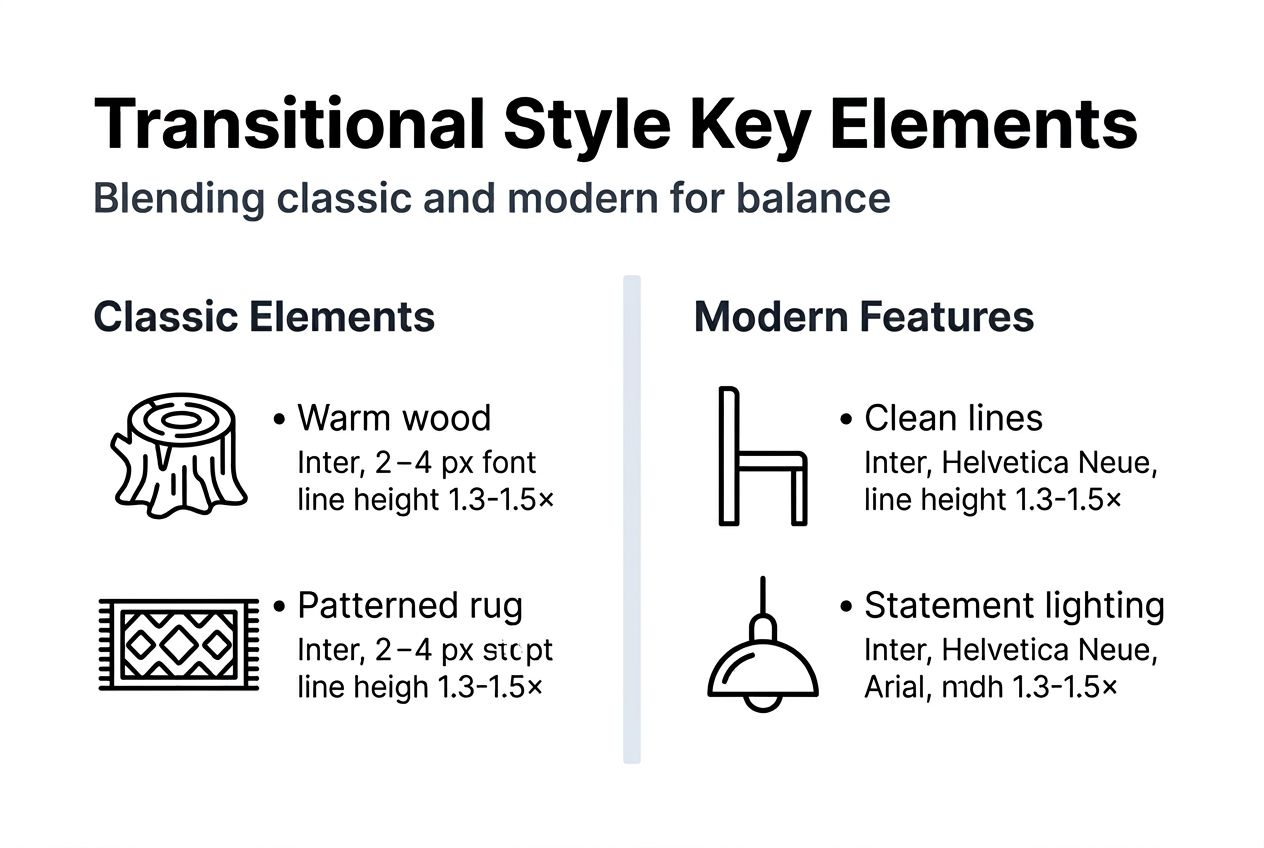
Transitional style represents a sophisticated middle ground that balances traditional and contemporary elements to create timeless, livable spaces. Rather than committing entirely to ornate Victorian details or stark minimalist aesthetics, this approach draws influences from Traditional, Modern, Midcentury, and Farmhouse designs to achieve harmony.
The genius lies in how carefully curated elements coexist. Clean lines meet classic furniture forms. Minimal ornamentation appears alongside comfortable, inviting textures. This deliberate restraint prevents spaces from feeling dated or cold.
Core principles of transitional design:
- Combining straight, clean lines with gentle curves and traditional silhouettes
- Using neutral foundations that allow flexibility in accent colours and accessories
- Avoiding heavy ornamentation whilst maintaining warmth through texture and scale
- Selecting furniture that appears both current and enduring rather than trendy
- Creating visual interest through material contrasts instead of excessive decoration
What makes transitional style genuinely timeless is its adaptability. Because it draws on classic design principles whilst remaining uncluttered and fresh, these interiors age gracefully. You won’t need to completely redecorate when trends shift because the foundation remains relevant.
“The beauty of transitional design is that it never looks outdated. By balancing timeless traditional elements with contemporary simplicity, these spaces feel both familiar and current, creating homes that truly stand the test of time.”
Balance remains the critical factor. Neither traditional warmth nor contemporary starkness should dominate your space. When you walk into a transitional room, you should feel equally comfortable curling up with a book or hosting a formal dinner party. Explore our modern home styling steps guide for additional techniques that complement this balanced approach.
Key characteristics of transitional interiors: colours, materials and lighting
The visual identity of transitional style emerges from specific colour, material, and lighting choices that create its signature balanced aesthetic. Understanding these fundamental elements helps you recognise and successfully implement the style in your own home.
Colour palette foundations:
Transitional interiors rely on neutral colours as their versatile base, including beiges, greys, taupes, and creams. This restrained palette promotes calm whilst providing enormous flexibility for accent colours. You can introduce bolder hues through artwork, cushions, or accessories without disrupting the overall harmony. The neutral foundation ensures your space remains cohesive even as you update smaller decorative elements.
Material and texture mixing:
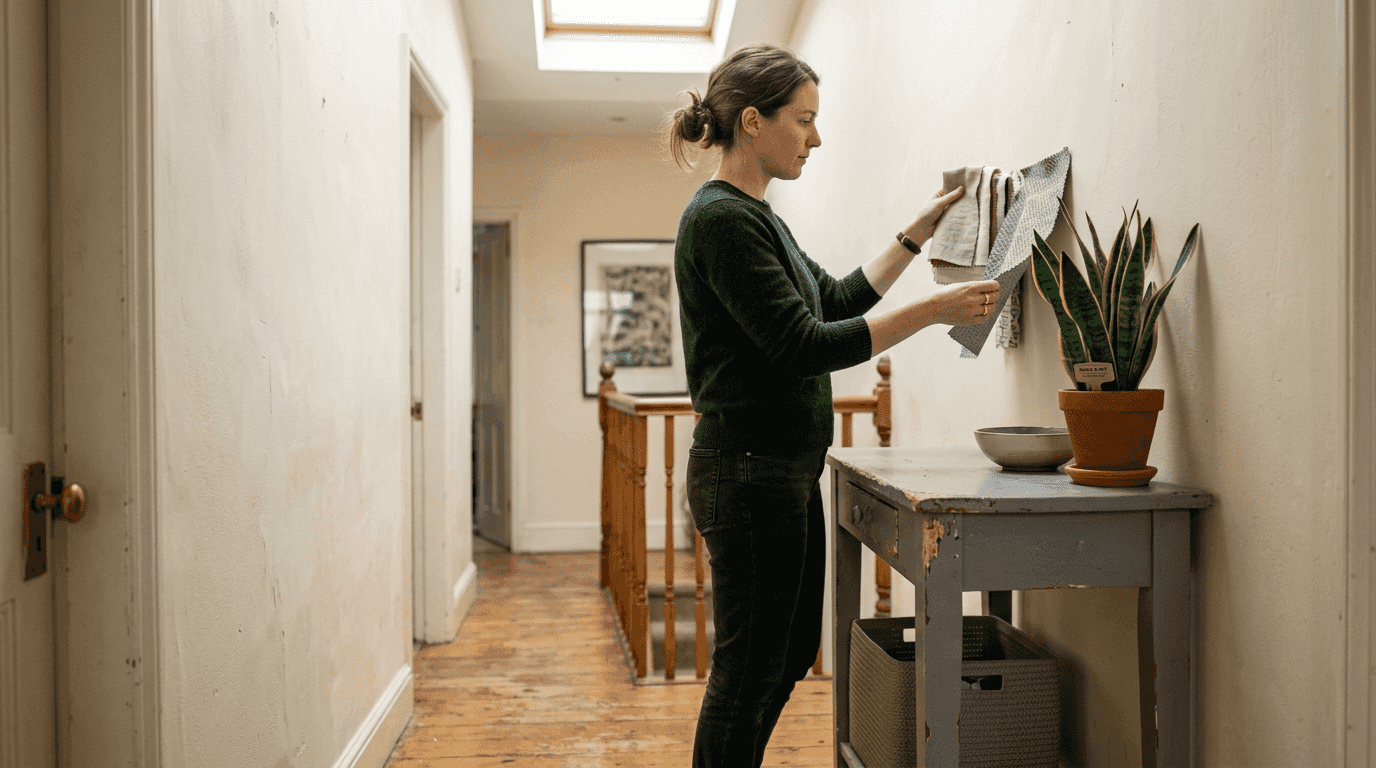
Layering different textures creates visual interest without requiring elaborate ornamentation. Wood furniture brings organic warmth. Metal fixtures add contemporary edge. Varied fabrics from linen to velvet introduce tactile richness. The key is combining these materials thoughtfully so they complement rather than compete. A wooden dining table might feature metal chair legs. A contemporary sofa could include traditional nailhead trim. These subtle contrasts maintain interest whilst supporting the balanced aesthetic.
Furniture selection principles:
- Choose pieces that blend traditional shapes with clean, modern lines for timeless appeal
- Select furniture with simple silhouettes that avoid excessive carving or stark industrial edges
- Prioritise quality construction and classic proportions over trendy forms
- Mix wood finishes thoughtfully, keeping tones within a complementary range
- Include upholstered pieces in durable, neutral fabrics that ground the space
Statement lighting as focal points:
Lighting provides perhaps the most impactful opportunity to elevate transitional interiors. Drum pendants and geometric crystal chandeliers add glamour whilst maintaining the style’s sophisticated balance. These fixtures become artistic focal points that draw the eye upward and create visual interest at different levels throughout the room.
Consider scale carefully when selecting statement lighting. An oversized pendant can anchor a dining area without overwhelming it. Smaller coordinating fixtures in adjacent spaces maintain cohesion. The goal is creating impact through thoughtful placement rather than excessive ornamentation. Our home accessory styling guide offers additional strategies for selecting complementary decorative elements.
Creating functional transitional spaces: balance, storage and practicality
Transitional style proves particularly valuable because it prioritises livability alongside aesthetics. These spaces must function beautifully for everyday life, not just photograph well. Achieving this requires thoughtful integration of storage, durable materials, and design choices that support real families.
Integrated storage solutions:
Built-in cabinetry and storage solutions maintain visual appeal whilst dramatically improving organisation. Window seats with hidden compartments provide seating and storage. Custom shelving displays treasured items whilst concealing clutter behind closed cabinets. Floor-to-ceiling units maximise vertical space without appearing bulky when designed with clean lines and neutral finishes.
The beauty of integrated storage is how it disappears into the architecture. Rather than adding freestanding furniture that fragments space visually, built-ins create seamless functionality. This approach particularly suits transitional style because the clean cabinetry fronts support the uncluttered aesthetic whilst traditional moulding details maintain warmth.
Performance fabrics for family living:
Performance fabrics offer durability and stain resistance whilst maintaining the refined look essential to transitional interiors. Families with young children no longer need to sacrifice style for practicality. Modern performance textiles mimic the appearance and feel of natural fibres whilst providing protection against spills, wear, and fading.
When selecting upholstery, consider crypton, sunbrella, or other treated fabrics that maintain their appearance through daily use. These materials allow you to choose lighter neutral tones without anxiety about inevitable accidents. The investment in quality performance fabrics pays dividends in reduced maintenance and extended furniture lifespan.
Balancing formal and informal elements:
| Formal elements | Informal balance | Result |
|---|---|---|
| Structured sofa with clean lines | Layered throw cushions in varied textures | Approachable elegance |
| Polished dining table | Mixed seating styles or bench option | Relaxed sophistication |
| Statement chandelier | Casual table decor and everyday china | Livable glamour |
| Tailored window treatments | Natural fibre rugs and organic accents | Comfortable refinement |
Pro Tip: When selecting materials for high-traffic transitional spaces, choose medium-toned woods and fabrics that hide minor wear better than very light or very dark options. This practical approach maintains the polished appearance longer whilst reducing maintenance anxiety.
Durable materials that combine function with style keep spaces inviting and easy to maintain. Hardwood floors with area rugs provide warmth whilst simplifying cleaning. Quartz or granite countertops offer beauty and resilience. Metal hardware in brushed finishes hides fingerprints better than polished chrome.
Discover more practical ideas through our guides on creative storage solutions 2026 and examples of stylish storage solutions that complement transitional aesthetics.
Common mistakes and expert tips for achieving perfect transitional style
Even experienced decorators sometimes struggle to maintain the delicate balance that defines successful transitional interiors. Understanding common pitfalls helps you avoid missteps and create genuinely harmonious spaces.
Critical errors to avoid:
- Excessive ornamentation that tips spaces toward overly traditional or fussy aesthetics
- Stark minimalism that removes the warmth and comfort essential to transitional style
- Favouring contemporary or traditional elements too heavily, creating visual confusion
- Ignoring texture variation, resulting in flat, uninteresting spaces despite correct furniture
- Introducing too many competing focal points rather than creating intentional visual hierarchy
Overdoing either traditional or contemporary elements represents the most frequent mistake. A room filled with ornate carved furniture feels old-fashioned regardless of wall colour. Conversely, pairing stark modern pieces with only glass and metal reads cold rather than balanced. The solution requires editing ruthlessly and introducing counterbalancing elements.
Expert strategies for maintaining balance:
Consistent neutral palettes unify disparate elements and provide flexibility for evolving accent colours. When your walls, larger furniture pieces, and window treatments share a complementary neutral range, you create cohesion that allows mixing furniture styles confidently. This foundation prevents clashing whilst supporting the transitional aesthetic.
Textures and accessories should complement rather than compete. Select three to five primary materials, then repeat them throughout the space in varying proportions. Perhaps wood, linen, metal, glass, and one additional texture like rattan or velvet. This repetition creates rhythm whilst avoiding monotony.
| Design aspect | Too traditional | Balanced transitional | Too contemporary |
|---|---|---|---|
| Furniture lines | Ornate carving, cabriole legs | Clean silhouettes with subtle curves | Stark geometric, industrial edges |
| Colour palette | Rich jewel tones, heavy patterns | Neutral base with accent colours | Monochromatic, high contrast |
| Accessories | Abundant decorative objects | Curated meaningful pieces | Minimal to none |
| Window treatments | Heavy drapery, swags, tassels | Tailored panels, simple hardware | Bare windows or stark blinds |
Pro Tip: Apply the “two-thirds rule” when balancing traditional and contemporary elements. If your furniture leans 60 percent contemporary, introduce accessories and textiles that are 60 percent traditional. This creates visual equilibrium without requiring mathematical precision.
Finding the right mix creates stylish, livable spaces that support daily life whilst maintaining sophisticated appeal. Remember that transitional style succeeds when rooms feel effortlessly pulled together rather than carefully staged. Your space should invite use and relaxation, not intimidate with untouchable perfection.
Storage planning and performance fabric selection prove particularly important for maintaining style over time. Adequate concealed storage prevents clutter from disrupting your carefully curated aesthetic. Quality fabrics withstand use without showing wear, preserving the polished appearance that defines transitional interiors.
Explore additional practical guidance through our step by step storage solutions and tips for styling small spaces to implement these principles effectively.
Shop stylish home essentials for transitional interiors
Applying transitional style becomes easier when you select pieces that naturally embody its balanced aesthetic. Quality rugs anchor spaces whilst introducing texture and subtle pattern that complement neutral palettes.
Consider options like the Baluchi Cannon pink woolen rug that adds warmth through traditional craftsmanship in a contemporary colour. The washable kitchen rug coffee black velvet combines practical durability with sophisticated texture. Natural materials like the rectangular natural bamboo rugs 2-piece set bring organic warmth that grounds contemporary spaces beautifully. These essentials support the versatile, timeless aesthetic whilst meeting the functional demands of real homes.
What is transitional style FAQ
How does transitional style differ from traditional or modern design?
Transitional style occupies the middle ground by combining clean contemporary lines with comfortable traditional elements, avoiding the ornate details of purely traditional spaces and the stark minimalism of modern design. This balanced approach creates timeless interiors that feel both current and welcoming.
What colours work best in transitional interiors?
Neutral palettes including beiges, greys, taupes, and creams form the foundation, providing versatility and calm whilst allowing accent colours through accessories. This restrained approach supports the balanced aesthetic and simplifies updating spaces as preferences evolve.
How can I maintain balance and avoid style extremes?
Apply the two-thirds rule by balancing furniture style ratios with opposing accessories, use consistent neutral foundations throughout, and edit ruthlessly to prevent excessive ornamentation or stark emptiness. Focus on creating visual interest through texture and material contrast rather than quantity of objects.
Is transitional style suitable for families with children?
Absolutely, as performance fabrics provide durability and stain resistance whilst maintaining refined appearances, and integrated storage solutions keep clutter concealed. The practical focus of transitional design makes it ideal for active households needing both style and function.
How do I incorporate statement lighting effectively?
Select fixtures like drum pendants or geometric chandeliers that provide visual impact through scale and form rather than excessive ornamentation, ensuring they complement rather than overwhelm your space. Position statement lighting as intentional focal points whilst maintaining cohesion through finish and proportion with surrounding elements.