Cart
0
TL;DR:
- Curtains serve both aesthetic and functional roles, including privacy, light control, and insulation.
- They influence room atmosphere, perception of space, and can act as design statements.
- Thoughtful curtain selection enhances comfort, style, and energy efficiency in homes.
Curtains are one of those things most people choose last, almost as an afterthought once the furniture is arranged and the walls are painted. Yet they are the element that quietly holds a room together, or silently pulls it apart. The right curtains can make a cold, stark room feel warm and intimate. The wrong ones can drain the life from even the most thoughtfully decorated space. This guide walks you through everything you genuinely need to know, from the practical science of light control and thermal insulation to the stylistic power of fabric, colour, and proportion, so you can choose curtains that truly transform your home.
Table of Contents
- Understanding the functional impact of curtains
- Style and atmosphere: how curtains define your space
- Curtains and the evolution of modern design
- Choosing the right curtains: practical guide for every home
- Why curtains are the unsung heroes of interior design
- Elevate your space with easy design upgrades
- Frequently asked questions
Key Takeaways
| Point | Details |
|---|---|
| Multifunctional value | Curtains impact privacy, light, and energy efficiency in every home. |
| Style statement | Well-chosen curtains can transform a room’s atmosphere instantly. |
| Modern trends | Smart fabrics and sustainable materials are defining curtain design in 2026. |
| Practical selection | Matching curtains to room function and size maximises impact. |
Understanding the functional impact of curtains
With the scene set on curtain significance, let’s uncover their real-world impact beyond looks.
Most homeowners think of curtains as decorative panels. That is only half the story. Curtains are working elements of a room, doing a quiet but essential job every single day. Once you understand their practical roles, you will never approach buying them the same way again.
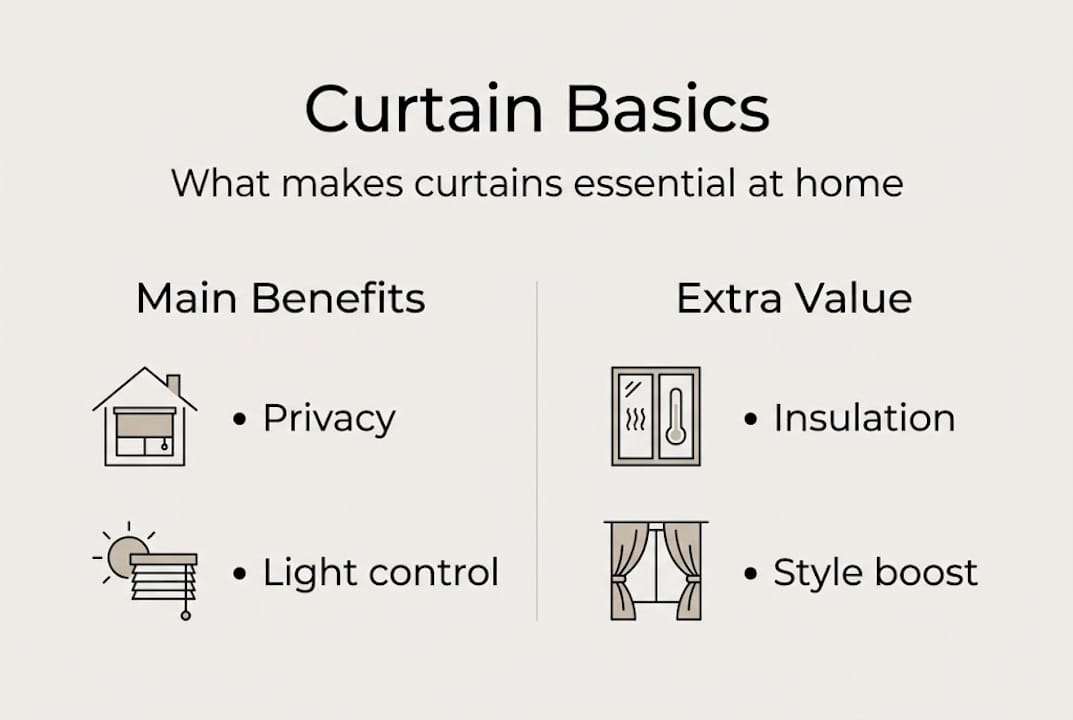
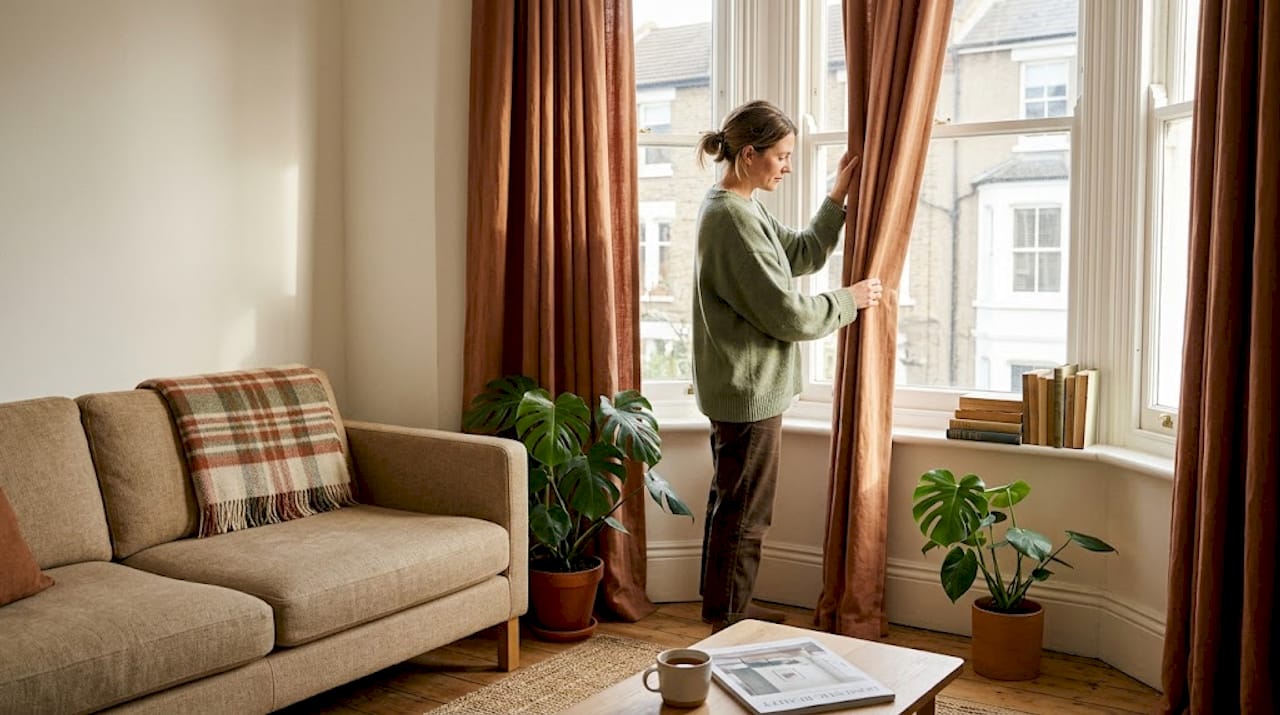
Privacy is the most obvious function, but it goes deeper than simply blocking a neighbour’s view. The level of privacy a curtain provides depends entirely on its fabric weight, weave density, and lining. A single layer of sheer linen gives daytime privacy while still flooding the room with soft, diffused light. A fully lined velvet panel blocks the view entirely. Understanding this spectrum lets you match your curtain precisely to your lifestyle and window’s position.
Natural light management is where curtains genuinely earn their place. Different rooms demand different light qualities throughout the day. A bedroom needs the ability to block early morning light completely. A home office benefits from filtered, glare-free brightness. A living room often calls for flexibility, bright and open during the day, warmer and more enclosed in the evening. Selecting fabrics with the right opacity gives you that control. Selecting curtains for privacy and light management is a skill that pays dividends in daily comfort.
Energy efficiency is an underrated benefit that actually affects your bills. Thermal curtains, often made with a dense interlining or special coating, create a buffer layer between cold glass and warm interiors. In winter, they can meaningfully reduce heat loss through windows. In summer, they block solar gain that would otherwise force you to cool the room artificially. Over a full year, this adds up to noticeable savings.
Noise reduction is a benefit many people discover accidentally after fitting heavier curtains. Dense fabrics and multiple layers absorb sound waves, which softens external noise and improves a room’s acoustic quality. This is particularly valuable in urban homes or rooms facing a busy street.
Key functional benefits of curtains at a glance:
- Privacy control across a full spectrum from sheer to blackout
- Natural light diffusion or complete elimination depending on fabric
- Thermal insulation reducing heating and cooling costs
- Acoustic dampening softening external and internal noise
- Humidity regulation in rooms with high moisture, such as kitchens
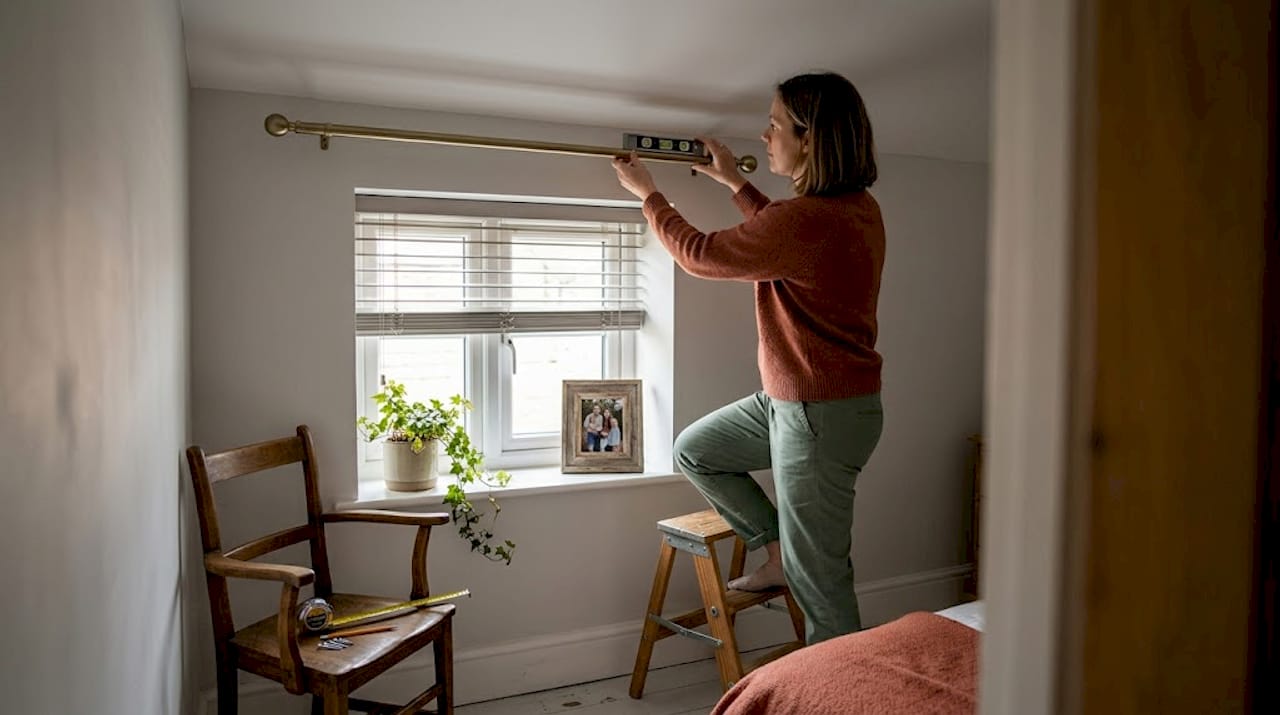
Pro Tip: Layer a sheer curtain behind a heavier panel on the same track. During the day, close only the sheer for soft light and privacy. In the evening, draw the heavier panel for full insulation and cosiness. This setup gives you the flexibility of two rooms in one. For a step-by-step walkthrough, the curtain installation workflow guide covers the process clearly.
Style and atmosphere: how curtains define your space
Alongside their practical power, curtains play an unrivalled part in shaping room atmosphere.
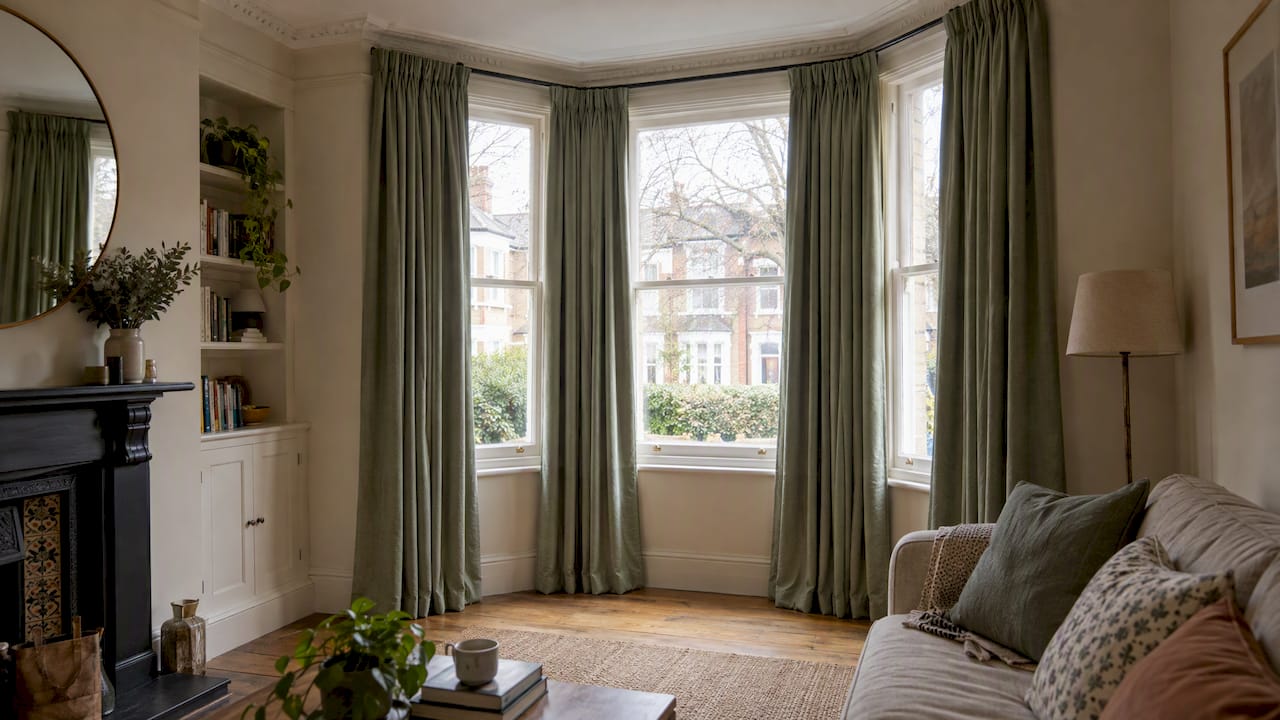
Walk into a room with floor-to-ceiling velvet curtains in a deep teal and you feel it immediately. The space feels intimate, rich, and considered. Walk into the same room with thin white panels hanging limply from a short track, and the entire feeling shifts. Curtains are essentially the room’s frame, and like any frame, they dramatically influence how you perceive what’s inside.
“Designers are now using curtains as focal points in modern interiors, treating them with the same creative attention previously reserved for statement furniture or artwork.”
This shift in thinking reflects a broader move in contemporary home trends where textiles have taken centre stage. Curtains are no longer background elements. They are design statements in their own right.
Colour and pattern carry enormous weight. A bold geometric print can energise a neutral room without a single furniture change. Soft, tonal curtains in warm cream or dusty blush amplify a sense of calm and space. Even the colour of the curtain lining matters, as it affects the quality of light that filters through during the day.
Spatial perception is one of curtains’ most powerful and underused tricks. Hanging curtains close to the ceiling rather than just above the window frame creates the illusion of taller walls. Extending the track well beyond the window width makes the window appear broader, drawing more visual attention to it. Both techniques require no structural changes and cost very little extra, yet produce a genuinely transformative effect.
Here is how the main curtain styles compare in terms of atmosphere and practical impact:
| Curtain style | Atmosphere created | Best room use | Light control |
|---|---|---|---|
| Sheer / voile | Airy, light, open | Living rooms, sunrooms | Low |
| Velvet | Luxurious, warm, intimate | Bedrooms, dining rooms | High |
| Linen | Relaxed, natural, textured | Living rooms, studies | Medium |
| Blackout | Cosy, restful, contained | Bedrooms, home cinemas | Complete |
| Patterned | Bold, characterful, layered | Feature walls, hallways | Varies |
Consider the following when matching curtain style to your space:
- Sheer fabrics work best in rooms where you want softness and diffused light without sacrificing an open feel
- Velvet and heavyweight fabrics add drama and warmth, perfect for rooms used primarily in evenings
- Patterned curtains can replace the need for additional wall art, anchoring the room’s colour story
- Neutral linen suits almost any scheme and ages well as your tastes evolve
For those working with tighter budgets, there are excellent affordable UK decor ideas that show how choosing the right curtain style can refresh a room without expensive renovations.
Curtains and the evolution of modern design
Now, let’s zoom out to see how modern design has redefined curtain roles.
Curtains have not always been what they are today. In Victorian homes, heavy damask drapes were a sign of wealth and status, layered with swags, pelmets, and tassels in ways that made windows almost secondary to the spectacle of the treatment itself. By the mid-twentieth century, modernism stripped all of that back, favouring simple panels, clean lines, and a preference for letting architecture speak for itself.
Each decade brought a new relationship between curtains and the spaces they dressed:
| Decade | Dominant curtain style | Key influence |
|---|---|---|
| 1950s | Pastel cotton panels | Post-war optimism, modernism |
| 1970s | Heavy velvet and macramé | Bohemian, textured living |
| 1990s | Minimalist voile and linen | Scandinavian influence, simplicity |
| 2010s | Eyelet-top panels, neutral tones | Open-plan living, mass retail |
| 2020s | Smart fabrics, sustainable fibres | Technology, eco-consciousness |
Today, the factors reshaping curtain design are more varied and exciting than ever. The top styling trends for 2026 point clearly toward three defining shifts:
-
Smart fabrics: Textiles engineered to respond to light, temperature, and UV levels are moving from commercial buildings into residential homes. Some can darken automatically in response to sunlight, others regulate humidity or repel dust. These fabrics blur the line between functional product and intelligent architecture.
-
Motorisation: Remote-controlled and voice-activated curtain systems are now accessible at mainstream price points. They suit open-plan homes where manually reaching every window is impractical, and they are increasingly common in bedrooms where convenience and privacy need to work hand in hand.
-
Sustainability: Buyers in 2026 are asking where their fabrics come from. Organic cotton, recycled polyester, and FSC-certified bamboo are all gaining ground as consumers align their home choices with their wider values.
The growth of open-plan living has also forced curtains to take on new roles. In large, multi-purpose spaces, curtains are being used not just at windows but as room dividers, creating distinct zones without walls. This architectural use of fabric is one of the most creative evolutions in modern interior design. Exploring 2026 UK home trends and what is happening in modern UK homes shows just how far this thinking has spread beyond design circles and into mainstream homeowner choices.
Choosing the right curtains: practical guide for every home
Having mapped the design journey, let’s conclude with practical steps for choosing the perfect curtains.
Knowing what you want from curtains is the essential starting point. Before you browse fabrics or compare prices, take five minutes to honestly assess the practical needs of the room you are dressing. This single step saves time, money, and the frustration of curtains that look right in isolation but do not actually work in your space.
Key questions to ask before you buy:
- How much natural light do you want this room to receive during the day?
- Is privacy a concern at street level or from neighbouring properties?
- Does this room suffer from draughts or heat loss that better insulation could help?
- What is the primary mood you want to create: calm, vibrant, cosy, or expansive?
- How much maintenance are you comfortable with? Some fabrics require dry cleaning, others are machine washable.
Once you know what you need functionally, match it to your stylistic preferences. A bedroom that needs blackout performance does not have to use clinical, flat blackout panels. Many manufacturers now offer blackout linings on beautifully textured or patterned outer fabrics, giving you the best of both worlds.
Fabric choice matters enormously. Cotton is versatile, affordable, and easy to maintain. Linen hangs beautifully and improves with age. Velvet adds depth and dramatic warmth. Polyester blends are durable and often the most budget-friendly. Selecting the right curtain fabric for your specific room is a decision that will influence how the space feels for years.
Pro Tip: Always buy curtains that are at least two and a half times the width of your window track. This gives you the fullness that makes curtains look rich and intentional when open or closed. Skimping on width is the single most common mistake that makes even expensive curtains look cheap. For detailed curtain fitting advice, including track and pole placement, measuring tips are well worth reviewing before you order.
Curtain length is equally important. For most rooms, curtains that just skim the floor create a clean, tailored look. Curtains that pool slightly on the floor add a romantic, luxurious quality. Curtains that hang noticeably above the floor, unless in a kitchen or bathroom for practical reasons, tend to look unfinished and can make a room appear smaller.
Budget-conscious shoppers will be glad to know that stylish curtains do not demand a premium price tag. Exploring affordable curtain solutions shows that well-chosen, mid-range options often outperform expensive alternatives when they are the right fit for the space.
Why curtains are the unsung heroes of interior design
Here is something most design guides will not tell you directly: curtains carry more emotional weight in a room than almost any other single element, yet they receive a fraction of the attention and budget that furniture or paint receives.
Think about this for a moment. Paint covers your walls but becomes invisible once furniture is in place. A sofa is noticed once and then simply used. But curtains move. They change with the light throughout the day. They frame your view of the outside world. They shift the acoustics of the room every time you draw them. In that sense, curtains are the most alive element of any interior.
The uncomfortable truth is that most homeowners finalise their curtain choice in a hurry, often purchasing whatever fits the pole that was already there. This is a missed opportunity of the highest order. A fabric change alone can make a tired room feel completely renewed. Following trends in home styling is useful, but the real insight is simpler: invest proper thought in your curtains before anything else, and the rest of the room will often fall into place around them.
Small changes in curtain choice create genuinely large shifts in how a space feels to live in. That is the kind of practical wisdom that saves money and produces rooms you are genuinely proud of.
Elevate your space with easy design upgrades
To turn inspiration into action, here is an easy next step.
If reading this has made you reconsider the curtains in even one room of your home, that is exactly the shift in thinking that leads to real improvement. At Homable, we have curated a range of curtains and home styling solutions designed for modern UK homes, balancing genuine quality with prices that make good design accessible.

Whether you are looking for a blackout option for a restless sleeper, a beautifully textured linen for a bright living space, or simply fresh ideas for your next room refresh, the Homable home design solutions collection is a great place to start. Free shipping on orders over £100 makes it even easier to experiment with new looks without the added cost of delivery.
Frequently asked questions
How do curtains improve energy efficiency in homes?
Curtains help retain heat during winter and block sunlight in summer, reducing the need for heating and cooling and lowering energy bills. Selecting thermally efficient curtains is a straightforward way to improve a home’s year-round comfort.
What curtain styles are trending in 2026?
Sustainable fabrics, motorised smart systems, and bold patterns are leading curtain choices in 2026, reflecting a wider shift toward considered, eco-conscious home design. The contemporary home trends for 2026 report highlights these directions clearly.
How should I choose curtain fabric for my living room?
Pick a fabric that balances your privacy needs, preferred light levels, and the room’s overall colour palette, as these three factors together determine how the curtain will actually perform day to day. Guidance on curtain selection can help you narrow down the best options for your specific situation.
Are curtains better than blinds for modern spaces?
Curtains offer greater flexibility in style, acoustic performance, and layering possibilities, making them the preferred choice in most modern living and bedroom spaces where atmosphere and comfort matter.
Can curtains make a small room appear larger?
Yes, hanging curtains as close to the ceiling as possible and choosing light, soft colours creates the visual impression of taller walls and a more expansive space, without any structural changes required.