Cart
0
TL;DR:
- Decorative zoning involves dividing open-plan spaces into functional areas using furniture, lighting, and textiles without constructing walls. It enhances home organization, provides psychological benefits by reducing cognitive load, and allows for flexible, reversible solutions suitable for renters. Effective zoning relies on visual cues like furniture placement, layered lighting, color, and soft partitions to create intuitive, cohesive, and adaptable environments.
You don’t need walls to create a home that feels organised, purposeful, and beautiful. What is decorative zoning? It’s the art of dividing your living space into distinct functional areas using furniture, lighting, colour, rugs, and textiles, without a single brick or partition wall. If you’ve ever felt that your open-plan living room doubles as a workspace but never quite feels like either, decorative zoning is the solution you’ve been missing. This guide covers everything from core principles to practical steps, so you can transform how your home looks and feels.
Table of Contents
- Key takeaways
- What is decorative zoning in interior design?
- Decorative zoning techniques and design ideas
- Benefits of decorative zoning for your home
- Legal and practical considerations
- How to implement decorative zoning in your home
- My honest perspective on decorative zoning
- Bring your zones to life with Homable
- FAQ
Key takeaways
| Point | Details |
|---|---|
| No construction required | Decorative zoning divides spaces using furniture, lighting, and textiles rather than walls. |
| Psychological benefits matter | Defined zones reduce cognitive load and help you mentally shift between different activities. |
| Flexibility is a core principle | Solutions like curtains and modular shelving can adapt as your household needs change. |
| Visual cohesion is non-negotiable | A unifying thread such as consistent flooring or repeated accent colours prevents a fragmented look. |
| Renters can zone too | Reversible methods like removable tape and temporary partitions make zoning accessible to anyone. |
What is decorative zoning in interior design?
Decorative zoning is a design approach that uses furniture, lighting, textiles, and colour to divide open-plan spaces into defined functional areas without permanent structural changes. Think of a large living area that needs to work as a dining space, a lounge, and a home office. Decorative zoning gives each function its own identity, its own atmosphere, and its own visual cues, all within one continuous room.
Where traditional zoning relies on physical walls or architectural features, decorative zoning works through suggestion and sensory distinction. A sofa angled away from a dining table signals a boundary. A pendant light centred over a reading chair pulls the eye downward and defines a cosy corner. A bold rug grounds a seating cluster and tells your brain: this is the living area.
The defining elements of decorative zoning include:
- Furniture placement: Clusters of seating, desks, or dining sets create natural territories within a room.
- Layered lighting: Ambient, task, and accent lighting differentiate zones by mood and function.
- Colour and texture: Different paint colours, wallpaper panels, or textile changes signal a shift in purpose.
- Rugs and flooring transitions: A rug under a sofa or a change in floor material separates areas visually.
- Decorative partitions and plants: Bookshelves, screens, and large potted plants provide soft physical cues without blocking light or flow.
Designers describe the goal as creating intuitive, emotionally resonant spaces where aesthetics and function tell a coherent story. Understanding functional design principles helps you appreciate why this matters so much in everyday living.
Pro Tip: Before buying any new pieces, photograph your room from its corners and doorways. Looking at the photos rather than standing in the space gives you a clearer picture of where the visual boundaries already exist and where they could be strengthened.
Decorative zoning techniques and design ideas
Getting zoning right comes down to understanding which tools work for your space and lifestyle. The good news is that most decorative zoning techniques are affordable, reversible, and genuinely satisfying to implement.
Furniture placement as your first move
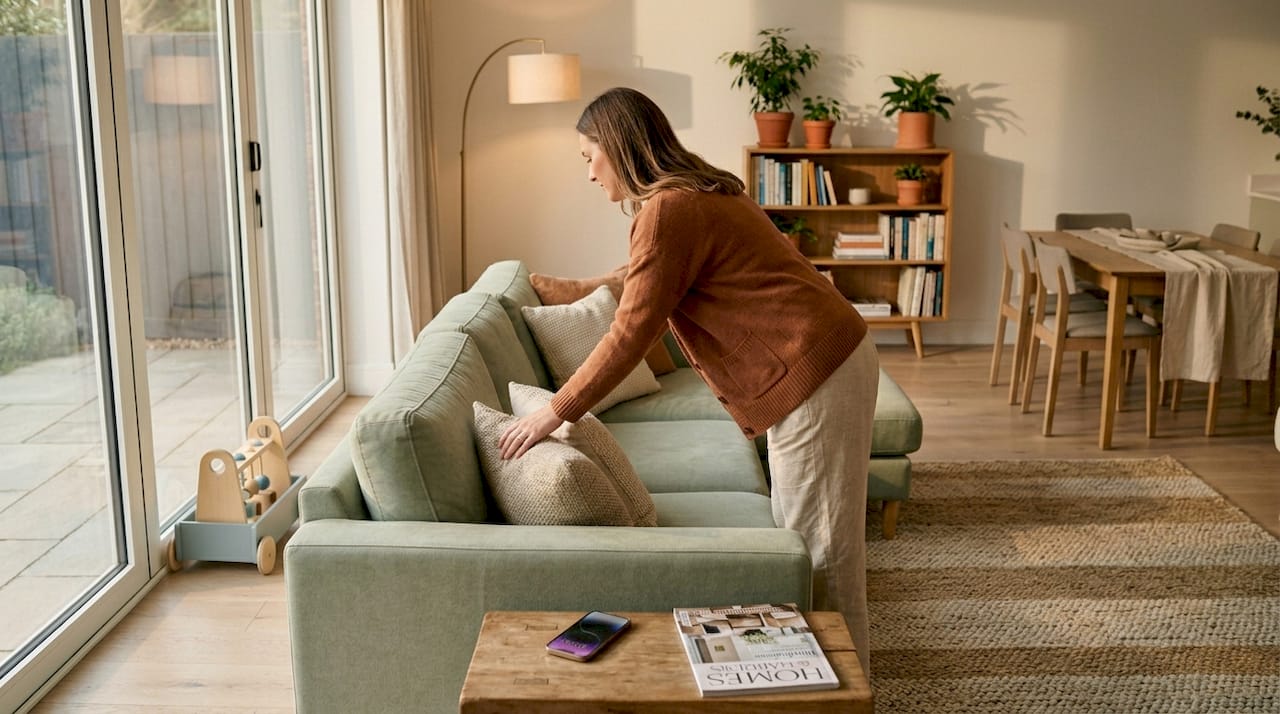
Furniture is your most powerful zoning tool. Rather than pushing everything against the walls, pull pieces inward to form islands of activity. A sofa facing away from the kitchen defines the living zone far more clearly than one pushed flat against the back wall. For a well-optimised room layout, the back of a sofa can act as a subtle partition between a lounge area and a dining space without any physical barrier at all.
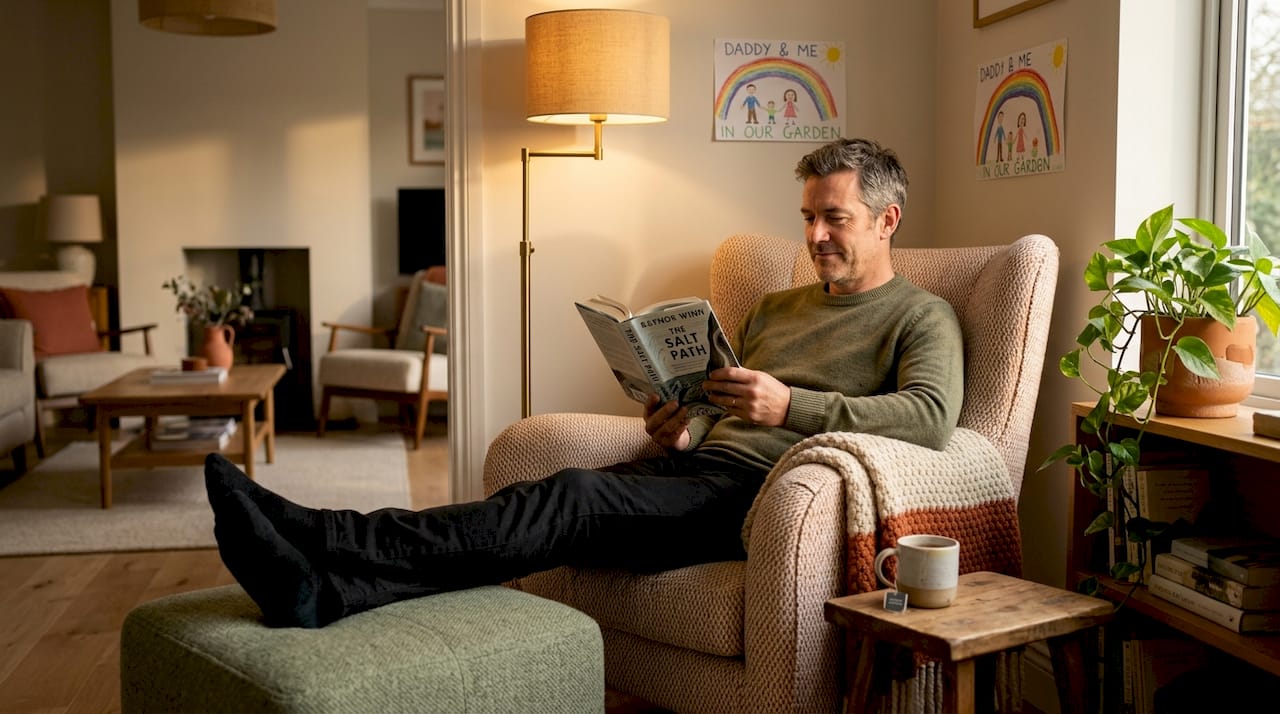
Desks and armchairs benefit from the same treatment. Position a reading chair at a slight angle with a floor lamp beside it and you’ve created a zone that feels separate even if it occupies the same room as your TV.
Layered lighting for functional separation
Lighting does something that paint and furniture cannot. It changes the mood of a space by the hour. Use ambient lighting as your base layer across the whole room, then add task lighting at your desk or kitchen worktop, and accent lighting to highlight artwork or shelving. Each lighting layer signals a different kind of activity and helps your brain register a shift in purpose.
A warm-toned pendant over a dining table, for instance, draws attention to that zone during meals and sets it apart from a cooler, brighter office corner nearby. This is one of the most underused decorative zoning design ideas for homes that need to serve multiple purposes.
Colour, textiles, and soft partitions
Colour zoning doesn’t require painting every wall a different shade. A painted chimney breast, a stretch of bold wallpaper, or even a consistently used accent colour across cushions and throws can define a zone’s personality. Rugs are particularly effective because they ground furniture groupings visually and cost far less than flooring changes.
Decorative curtains, half-height bookshelves, folding screens, and large indoor plants also serve as soft partitions. Flexible, adaptable solutions like these are far better suited to modern multi-use homes than anything permanent.
Pro Tip: When using colour to zone a space, keep one consistent element across all zones, such as a repeated accent colour in cushions or a continuous floor material. This unifies the room while still allowing each area its own character.
Benefits of decorative zoning for your home
The most obvious benefit is practical: you get more usable space without any construction. But the deeper benefits of decorative zoning are psychological.
“Open-plan spaces can overwhelm the senses. Decorative zoning acts as a buffer, creating inclusive, welcoming pockets within otherwise impersonal environments.”
Functional zones reduce cognitive load by giving your brain visual permission to switch modes. When you sit at a clearly defined desk area, you feel like you’re at work. When you move to a sofa zone with warm lighting and soft cushions, your body starts to relax. This mental transition is harder to achieve in an undefined open space where work and rest blur together.
Research also shows that incorporating biophilic elements such as plants and natural textures within zones further reduces stress and supports focus. This is why so many decorative zoning examples in design editorial feature greenery as both a divider and a mood regulator.
From a lifestyle perspective, zoning makes shared homes work better. Two people can occupy the same room, one cooking and one working, without feeling like they’re constantly in each other’s way. Well-defined zones also improve room-specific wellbeing and make spaces feel intentional rather than accidental.
For renters, temporary zoning solutions using removable items and non-damaging installation methods offer the same benefits without risking a deposit. That kind of flexibility is something a partition wall can never offer.
Legal and practical considerations
Most decorative zoning happens entirely inside your home and carries no legal implications. However, there are situations where the lines between interior decoration and regulated installation become surprisingly blurry.
- Window coverage: If you apply decorative vinyl, film, or signage to exterior-facing windows, local municipal codes may classify this as signage. Some window coverage limits are set as low as 25%, and exceeding them can trigger enforcement action, particularly in historic districts or commercial zones with residential properties.
- Permanent fixtures: Installing decorative shelving, fixed partitions, or ceiling-mounted tracks without landlord permission may breach tenancy agreements. Always check before drilling.
- Listed buildings and conservation areas: If your home is listed or sits within a conservation area, even interior changes may require consent. Consult your local planning authority before making any permanent alteration.
- Fire safety: Decorative partitions, curtains, and room dividers must comply with fire safety regulations, particularly in rented properties. Avoid highly flammable materials in passageways or exit routes.
- HOA and leasehold rules: Apartment leaseholders and those in managed developments may face restrictions on how they alter the appearance of shared or visible areas. Check your lease or speak with your managing agent first.
The cleanest solution is to keep your zoning reversible wherever possible. Curtains hung with removable hooks, freestanding shelving, and lightweight screens give you the full benefit of zoning with none of the compliance risk.
How to implement decorative zoning in your home
Starting from scratch can feel overwhelming. Breaking it into clear stages makes the process manageable and enjoyable.
First, map out your space and list every activity that happens in it. A living room might need to support TV watching, reading, remote working, and socialising. Write these down before selecting a single piece of furniture or a paint colour.
Second, assign each activity a rough location within the room based on natural light, proximity to power sockets, and traffic flow. Work zones benefit from north-facing light; relaxation zones suit warmer corners away from doors.
Third, choose your zoning tools. The table below gives a practical overview of common options and their best applications.
| Zoning tool | Best use case | Renter-friendly? |
|---|---|---|
| Area rug | Grounding a seating or dining cluster | Yes |
| Pendant lighting | Defining a dining or reading area | Yes (plug-in options available) |
| Freestanding bookshelf | Separating a workspace from a lounge | Yes |
| Accent wall colour | Adding personality to a distinct zone | Only with landlord permission |
| Decorative screen or room divider | Creating a soft visual barrier | Yes |
| Large indoor plants | Providing a natural, living partition | Yes |
Fourth, apply a unifying design thread. Consistent flooring or repeated accent colours across all your zones prevent the room from feeling like a collection of unrelated vignettes. A single cushion colour repeated in every zone, or one continuous floor material throughout, is often enough.
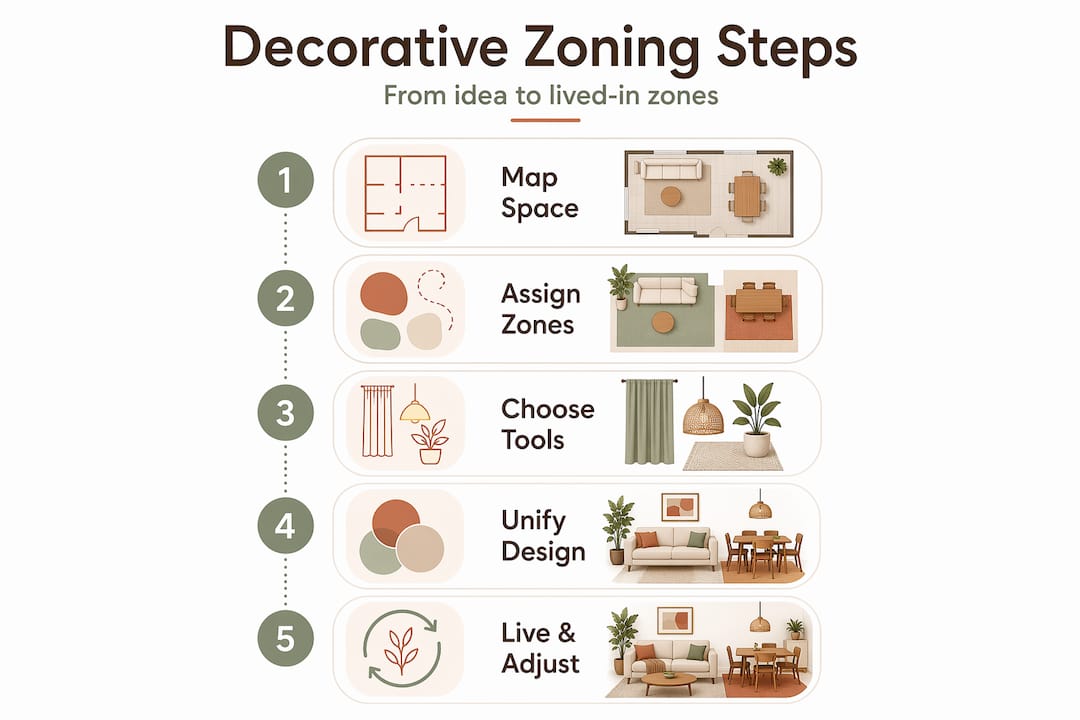
Finally, live with your choices for a few weeks before making permanent decisions. Decorative zoning is meant to evolve with your needs. What works brilliantly in autumn may need adjusting when the light changes in spring.
My honest perspective on decorative zoning
I’ve spent years looking at how people actually live in their homes, and the single biggest mistake I see is treating decorative zoning as a one-time fix. People rearrange a few cushions, buy a statement rug, and assume the job is done. Then six months later the space feels muddled again and they can’t explain why.
What I’ve learned is that zoning is a living practice, not a project. The homes that work best are the ones where the occupants regularly reassess how each zone is performing. Is the reading corner getting used? Has the work-from-home setup crept into the relaxation zone? These questions matter.
I also think the industry underplays the emotional dimension of zoning. It’s not just about where the sofa goes. It’s about giving every activity in your home the dignity of its own space. When your brain has clear signals about where work ends and rest begins, the quality of both improves. That’s not a design philosophy. That’s neuroscience applied to how you live.
My advice: start with one zone, get it right, and let the rest of the room respond to it. Don’t try to solve the whole room at once.
— Cristiano
Bring your zones to life with Homable
If you’re ready to put decorative zoning into practice, the right accessories make all the difference between a space that feels styled and one that feels truly considered.
At Homable, you’ll find decorative pieces chosen specifically to anchor and define home zones with confidence. A decorative silver flower candle holder placed on a side table adds warmth and signals a relaxation zone instantly. Explore the full Homable collection for rugs, cushions, ornaments, and accent pieces that support every corner of your zoning project. With free shipping on orders over £100 and a curated range built around modern home aesthetics, it’s the easiest place to start building the home you actually want to live in.
FAQ
What is decorative zoning in simple terms?
Decorative zoning is the practice of dividing a room into distinct functional areas using furniture, lighting, colour, rugs, and other decorative elements rather than physical walls.
How does decorative zoning work without walls?
It works by using visual and sensory cues. A rug defines a seating area, a pendant light identifies a dining zone, and a change in colour signals a shift in function, all without any structural changes.
What are the main benefits of decorative zoning?
The primary benefits include improved focus, reduced cognitive load, better use of open-plan spaces, and greater flexibility to adapt the layout as your household needs change.
Can renters use decorative zoning techniques?
Yes. Reversible solutions such as freestanding shelves, area rugs, plug-in lighting, and curtains attached with removable hooks allow renters to zone their spaces without permanent alterations or damage.
Is decorative zoning subject to any legal restrictions?
In most residential interiors, no. However, if decorative elements are applied to exterior-facing windows or permanent fixtures are installed, local planning codes or tenancy agreements may apply. Always check before making changes that affect the building fabric.