Cart
0
TL;DR:
- Seasonal decorating involves making small, deliberate changes in a home’s accents four times yearly to reflect each season.
- It relies on rotating a limited set of textiles, natural elements, lighting, scent, and small accessories without replacing furniture or large decor.
Seasonal decorating is the practice of refreshing your home’s look four times a year through small, deliberate changes that reflect each season’s distinct character. Interior designers call this approach “seasonal layering,” and it works by keeping your permanent base, furniture, wall colours, and large rugs constant, while rotating a focused set of textiles, natural elements, and lighting. The winter holiday decor market exceeds $9 billion annually in the United States alone. That figure reveals how easy it is to overspend on items that feel redundant within three years, which is exactly why a mindful, edited approach matters.
What is seasonal decorating and why does it work?
Seasonal decorating is defined as a rhythmic, repeatable process of updating your home’s atmosphere to match the time of year. The goal is not a full room overhaul. It is a targeted swap of five or fewer core items per room, such as cushion covers, candles, foliage, and throws, that shift the mood without disrupting your home’s underlying style.
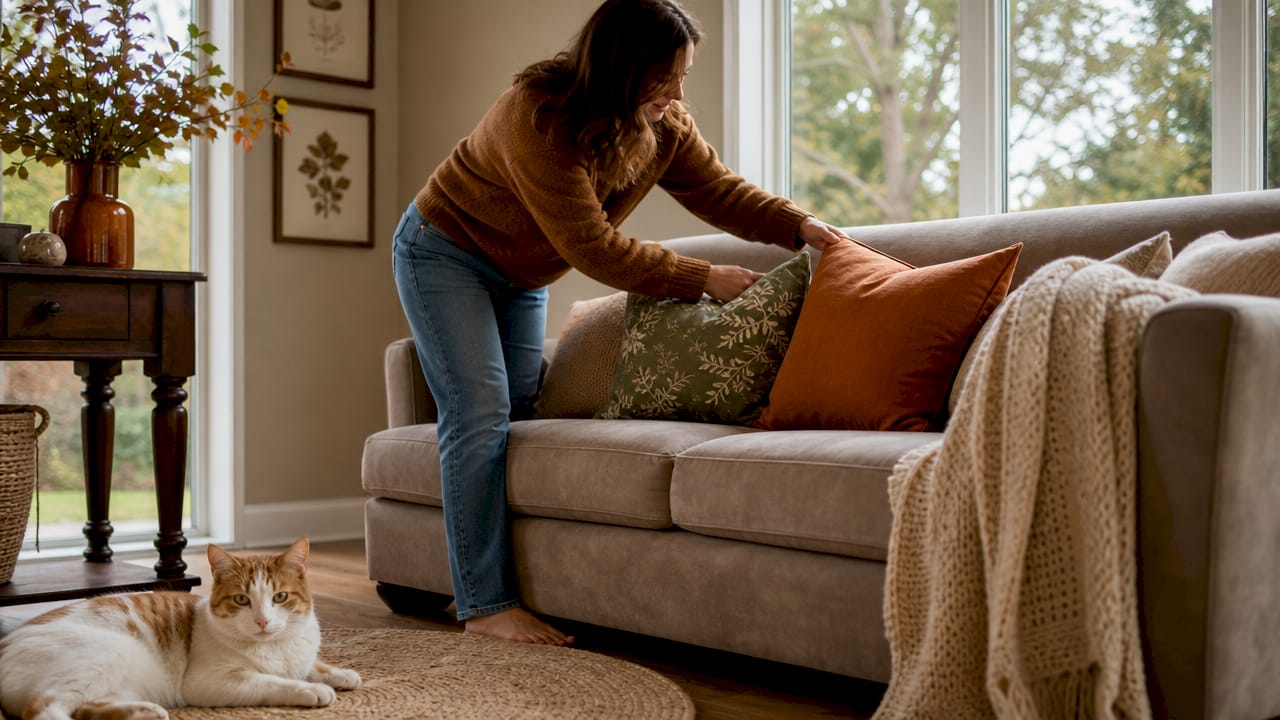
The method works because it connects your living space to the natural world outside. Research confirms that genuine seasonal styling keeps the home’s base constant, shifting light, texture, and small objects rather than replacing everything. That restraint is what separates a well-styled home from one that feels chaotic after every bank holiday.
Seasonal home decor also supports wellbeing. Changing your surroundings in response to the seasons creates a sense of rhythm and renewal. It gives you a reason to edit your space rather than accumulate more, which keeps clutter in check and your home feeling considered.
What are the essential elements of effective seasonal decorating?
Effective seasonal decorating relies on five categories of change. Each one is low-effort, reversible, and high-impact when applied consistently.
- Textiles. Swap cushion covers, throws, and table runners to shift colour and texture. Linen and cotton work for spring and summer; wool and velvet suit autumn and winter.
- Natural elements. Branches, foliage, dried stems, and fresh blooms are free or inexpensive and instantly signal the season. A jam jar of spring blossom or a bowl of autumn conkers costs almost nothing.
- Lighting. Adjust the warmth and placement of your light sources. Candles and warm-toned bulbs create intimacy in winter. Brighter, cooler light suits summer mornings.
- Scent. A simmer pot or candle can evoke a seasonal mood more effectively than any furniture move. Scent requires no storage and leaves no clutter.
- Small accessories. Taper candles, ceramic vessels, and woven baskets can be recoloured or repositioned to suit any season without buying new pieces.
Pro Tip: Avoid holiday-specific motifs like printed pumpkins or novelty snowmen. Expert designers recommend neutral accessories and colour-shifted functional items, such as taper candles in seasonal hues, because they stay stylish long after the occasion has passed.
The five categories above form a seasonal toolkit. Build it once, rotate it four times a year, and you will never need to buy a full new set of decor again.
Which rooms should you focus on for seasonal decorating?
Not every room needs a seasonal refresh. Spreading your efforts too thin leads to clutter fatigue and storage problems that undermine the whole practice.
Professional advice is clear: focus on high-traffic rooms such as entryways, living rooms, kitchens, and patios. These are the spaces where you and your guests spend the most time, so seasonal changes have the greatest impact there.
- Entryway. This is the first impression of your home. A seasonal wreath, a new doormat, or a small vase of foliage signals the time of year immediately.
- Living room. The highest-impact room for seasonal layering. Change your cushion covers, add a throw, and adjust your candle arrangement.
- Kitchen. A simple swap of a tea towel, a bowl of seasonal fruit, or a bunch of herbs on the windowsill is enough.
- Patio or garden. Outdoor seasonal styling tips focus on planters, lanterns, and weather-appropriate textiles.
Bedrooms and utility rooms are best left alone. They serve functional purposes, and seasonal changes there tend to create more disruption than pleasure.
Pro Tip: Limit full seasonal shifts to no more than three rooms per home. Full home overhauls lead to burnout and excess storage use. Three rooms done well beats seven rooms done poorly.
How to build a seasonal decorating workflow
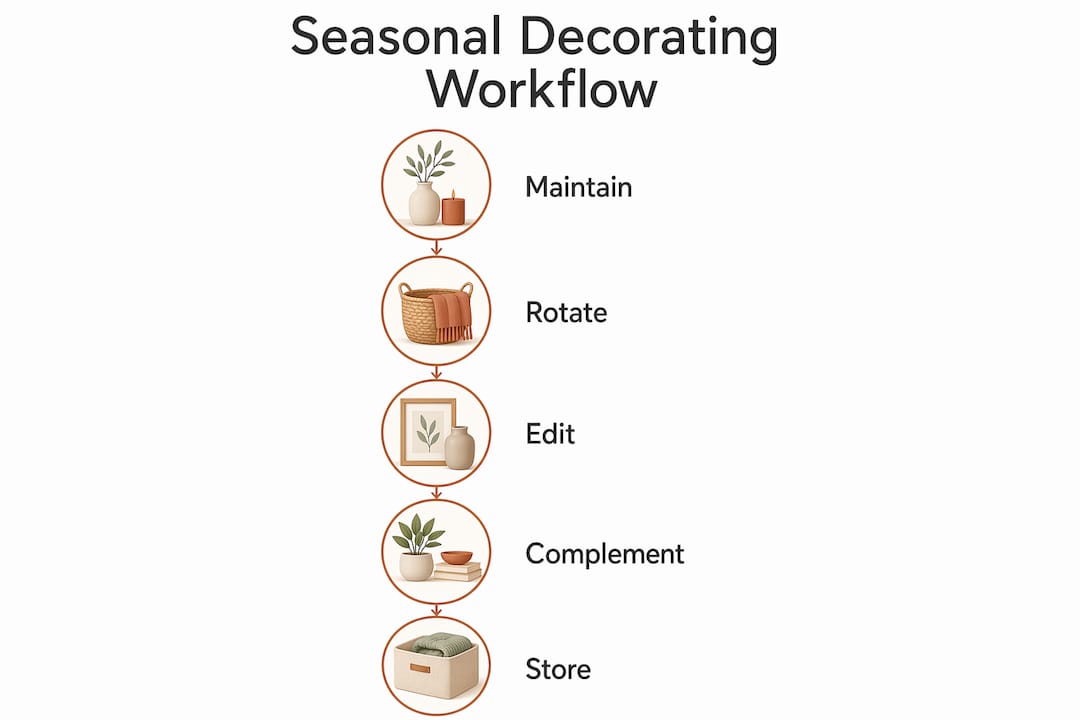
A repeatable workflow is what separates homeowners who enjoy seasonal decorating from those who dread it. The process has three stages: maintain, rotate, and store.
| Stage | What you do | Why it matters |
|---|---|---|
| Maintain | Keep paint, furniture, and large rugs constant year-round | Prevents costly changes and preserves your home’s visual coherence |
| Rotate | Swap five or fewer core items per room, four times a year | Creates seasonal freshness without accumulating excess decor |
| Store | Use breathable, labelled containers in a cool, dry space | Plastic tubs in hot attics damage decor within three years |
The rotation stage is where most homeowners go wrong. They buy new pieces every season instead of working with what they already own. A small rotating core of pillow covers, candles, and natural elements, supplemented by locally sourced or homegrown materials, is the most effective and cost-conscious approach.
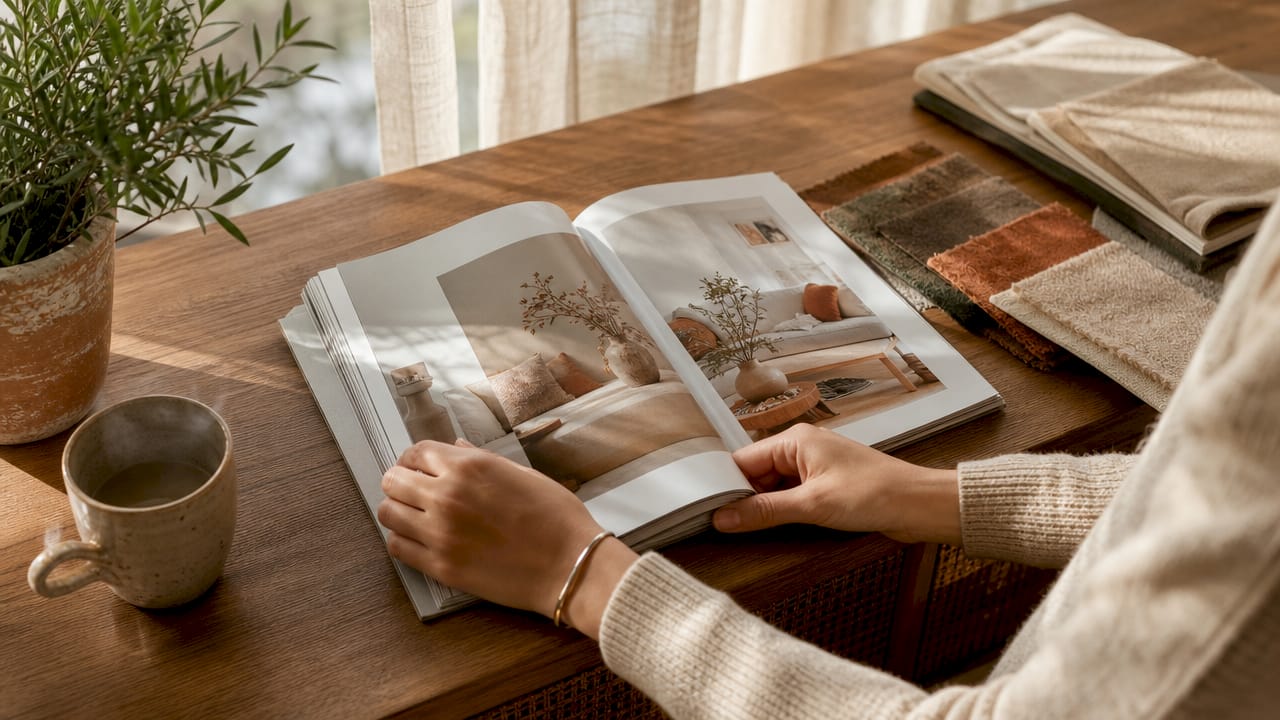
Avoid trend-based purchases entirely. A terracotta pot bought because it appeared in a magazine in october will look dated by the following spring. Invest instead in quality neutral pieces that work across multiple seasons.
The seasonal home updates workflow at Homable outlines how to build this rotation system from scratch, including which items to prioritise and how to audit what you already own.
What seasonal decor ideas suit each season?
Each season has a distinct visual and sensory character. The most effective seasonal decor ideas lean into that character rather than fighting it.
Spring
- Swap heavy wool throws for lightweight linen or cotton
- Bring in fresh blooms: tulips, hyacinths, and cherry blossom branches
- Introduce pastel or soft sage tones through cushion covers and ceramic vessels
- Open curtains wider to maximise natural light
Summer
- Use airy, sheer fabrics at windows to keep rooms feeling cool and bright
- Bring in potted herbs, trailing ivy, or cut garden greenery
- Add bright accents in terracotta, cobalt, or warm yellow through small accessories
- Replace heavy candles with unscented pillar candles or simple glass votives
Autumn
- Layer warm hues: rust, burnt orange, and deep plum in textiles and ceramics
- Use dried flowers, seed heads, and foraged branches as table centrepieces
- Introduce heavier throws and velvet cushion covers
- Switch to amber-toned candles with scents like clove, cinnamon, or cedarwood
Winter
- Layer textures: faux fur, chunky knit, and brushed cotton together
- Use evergreen branches, pinecones, and dried citrus slices as natural accents
- Candles become the primary light source in the evenings; group them in clusters
- Scent is particularly powerful in winter. A simmer pot with cinnamon and orange peel costs pennies and fills the entire home
The common thread across all four seasons is restraint. A few well-chosen pieces in the right colours and textures will always outperform a room full of themed novelties. For more ideas on styling home accessories across the seasons, Homable has a dedicated guide worth bookmarking.
Key takeaways
Seasonal decorating works best as a disciplined editing process, not a shopping habit. Rotate a small core of quality items four times a year and your home will feel fresh without ever feeling cluttered.
| Point | Details |
|---|---|
| Keep the base constant | Maintain furniture, wall colours, and large rugs year-round to preserve visual coherence. |
| Rotate five items or fewer | Swap textiles, foliage, candles, and small accessories per room, four times a year. |
| Focus on three rooms | Prioritise entryways, living rooms, and kitchens for maximum impact with minimum effort. |
| Use scent as a tool | Candles and simmer pots shift seasonal mood instantly with no storage required. |
| Store items correctly | Breathable, labelled containers in cool spaces preserve decor quality for years. |
Seasonal decorating: what I have learnt after years of getting it wrong
The first few years I approached seasonal decorating the way most people do. I bought a new set of autumn cushions, a Christmas wreath, some spring candles, and before long I had three large boxes in the loft that I dreaded opening. The decor inside felt dated, the storage was a mess, and the whole process felt like a chore rather than a pleasure.
What changed everything was treating it as an editing exercise rather than a shopping one. I stopped buying and started curating. I identified about eight items per room that could rotate, and I sourced the rest from the garden or the local market. A handful of foraged branches costs nothing and looks better than anything I have ever bought in a homeware shop.
The other shift was committing to scent. Lighting a clove and orange candle in october does more for the atmosphere of a room than any amount of themed cushions. Scent is the most underused tool in seasonal home decor, and it requires zero storage.
My honest advice: avoid the common styling mistakes that come from over-decorating. Start with one room, build a small toolkit of quality neutral pieces, and let the natural world do most of the work. The practice improves every year as you learn what you actually love and stop buying what you think you should.
— Cristiano
Seasonal home decor inspiration at Homable
Homable brings together a curated range of home accessories designed to support exactly this kind of thoughtful, seasonal approach to decorating.

Whether you are building your first seasonal toolkit or refining a rotation you have used for years, Homable’s collections cover the pieces that matter most: quality textiles, ceramic vessels, candles, and decorative accents that work across multiple seasons rather than just one. The seasonal decor setup guide on the Homable blog walks you through the full process, from auditing what you own to choosing the right pieces for each room. Free shipping is available on orders over £100, and new arrivals are added regularly to keep the range fresh.
FAQ
What is seasonal home decor in simple terms?
Seasonal home decor is the practice of making small, deliberate changes to your home’s accessories and textiles four times a year to reflect each season. The base of your home, furniture, paint, and large rugs, stays constant throughout.
How many items should I swap per season?
Professional guidance recommends rotating five or fewer core items per room per season. Textiles, candles, foliage, and small accessories are the most effective choices.
Which rooms benefit most from seasonal decorating?
Entryways, living rooms, kitchens, and patios deliver the highest return on effort. Bedrooms and utility rooms are best left unchanged to maintain calm and function.
Do I need to buy new decor every season?
No. The most effective approach uses a small rotating core of existing items supplemented by free or inexpensive natural materials such as foliage, branches, and dried flowers.
How should I store seasonal decor between uses?
Use breathable, labelled containers stored in a cool, dry space. Plastic tubs in warm attics degrade decor quality within three years, making proper storage a worthwhile investment.