Cart
0
TL;DR:
- Modern living spaces emphasize adaptability, flexibility, and purposeful design based on real daily habits.
- Understanding the differences between modern and contemporary styles helps prevent costly mistakes and promotes authentic home environments.
Modern living spaces are defined by their ability to adapt to how you actually live, not how you imagine you might. The industry term for this approach is “lifestyle design,” and it sits at the heart of every successful contemporary home. Defining modern living spaces means choosing function, flexibility, and warmth over rigid style rules. This guide explains the core principles, clears up the confusion between modern and contemporary design, and gives you practical tools to create a home that works as hard as it looks good.
How does modern design differ from contemporary design in living spaces?
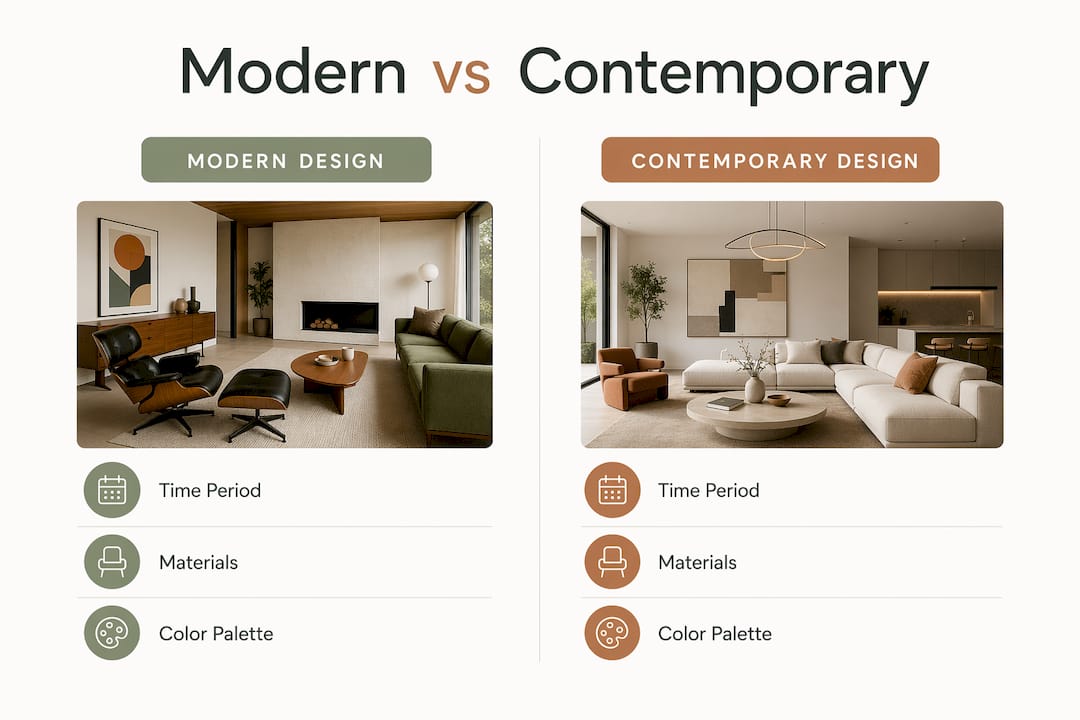
“Modern” and “contemporary” are not the same thing, even though most people use them interchangeably. Modern design refers to a fixed aesthetic rooted in the early to mid-20th century, characterised by clean lines, natural materials like wood and stone, and a deliberate rejection of ornament. Contemporary design, by contrast, is fluid. It reflects whatever is popular right now, which means it shifts every few years.
In practice, this distinction shapes every decision you make about furniture, colour, and materials. A modern interior favours warm neutrals, teak or walnut furniture, and uncluttered surfaces. A contemporary interior in 2026 might layer those same neutrals with bolder accent colours, mixed metals, and curved silhouettes. Both can coexist in the same home, but knowing which you are working with prevents costly mistakes.
The most common pitfall is confusing minimalism with blankness. Successful modern design mutes clutter and unnecessary materials, but it never mutes mood. A room stripped of all texture and personality is not modern. It is simply empty.
| Feature | Modern design | Contemporary design |
|---|---|---|
| Time period | Early to mid-20th century | Present day, ever-evolving |
| Key materials | Wood, stone, leather, linen | Mixed metals, glass, recycled materials |
| Colour palette | Warm neutrals, earthy tones | Neutrals plus bold accents |
| Furniture silhouette | Clean, geometric, low-profile | Curved, sculptural, expressive |
| Defining quality | Timeless restraint | Trend-responsive freshness |
Pro Tip: If you are unsure which style suits your home, photograph your space in natural light and note which materials already exist. Build from what is there rather than starting from scratch.
What role does flexibility and flow play in defining modern living spaces?
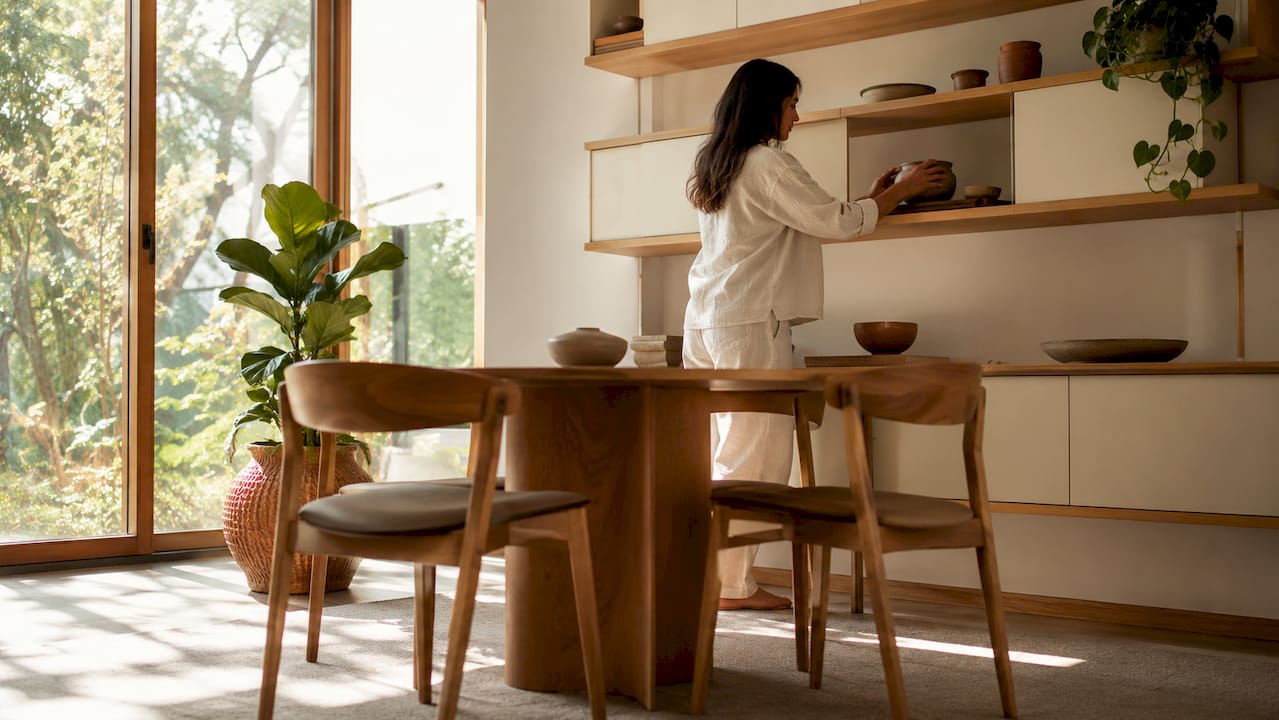
Flexibility is the single most important quality in a well-designed modern home. Modern living spaces prioritise lifestyle space over square footage, using furniture and layout to serve multiple purposes across the day. A dining table doubles as a workspace. A sofa bed handles overnight guests. A foldable desk disappears when the working day ends.

Only about 14% of new homes in 2026 include formal dining rooms. That figure tells you everything about where residential design is heading. Kitchens are now social hubs, and living areas absorb functions that once required dedicated rooms. This shift demands furniture and layout strategies that can keep pace.
Flow matters just as much as flexibility. Visual rather than physical separation through rugs, lighting, and furniture placement creates distinct zones without closing off space. A large area rug anchors a seating group. A pendant light defines a dining zone. A bookcase placed at an angle signals a reading corner. None of these require a single wall.
Key strategies for achieving flexibility and flow include:
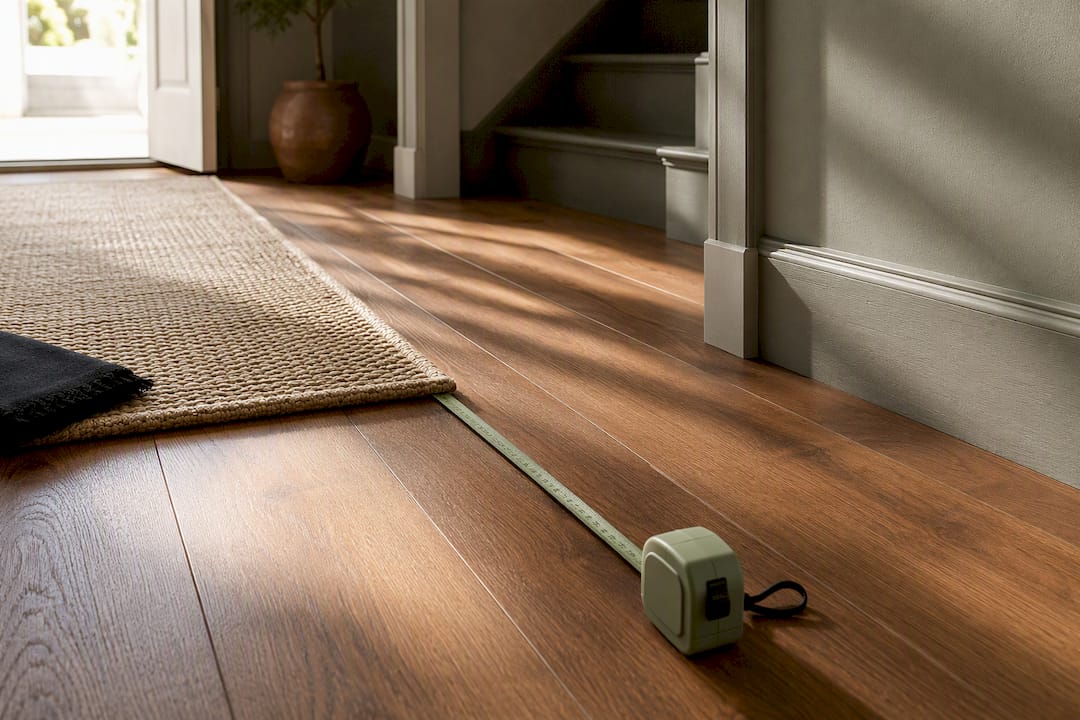
- Rugs as zone markers: A rug sized to fit all four legs of your sofa group signals a defined living area without any physical barrier.
- Layered lighting: Overhead, task, and accent lighting let you shift the mood and function of a room within seconds.
- Foldable and modular furniture: Pieces that reconfigure or collapse free up floor space for exercise, play, or entertaining.
- Decorative zoning: Using colour, texture, and objects to separate areas preserves openness while creating psychological distinction.
- Smart home technology: Automated lighting and voice controls let you adapt a space to different activities without moving a single piece of furniture.
Pro Tip: Before buying any new furniture, spend one week noting where you actually sit, work, eat, and relax. Your real habits will tell you more than any mood board.
How to bring warmth and texture to modern living spaces without losing minimalism
The fear that modern design must be cold and clinical is the biggest misconception in residential interiors. Warmth via textures such as wood, wool, and linen is now considered a defining feature of well-executed modern and contemporary homes. The goal is to layer materials so that a room feels considered and personal, not sparse and echoey.
Here is a practical sequence for adding warmth without compromising clean lines:
- Start with natural materials on large surfaces. A timber floor, a stone splashback, or a linen sofa provides the foundational warmth. These materials age well and anchor every other decision.
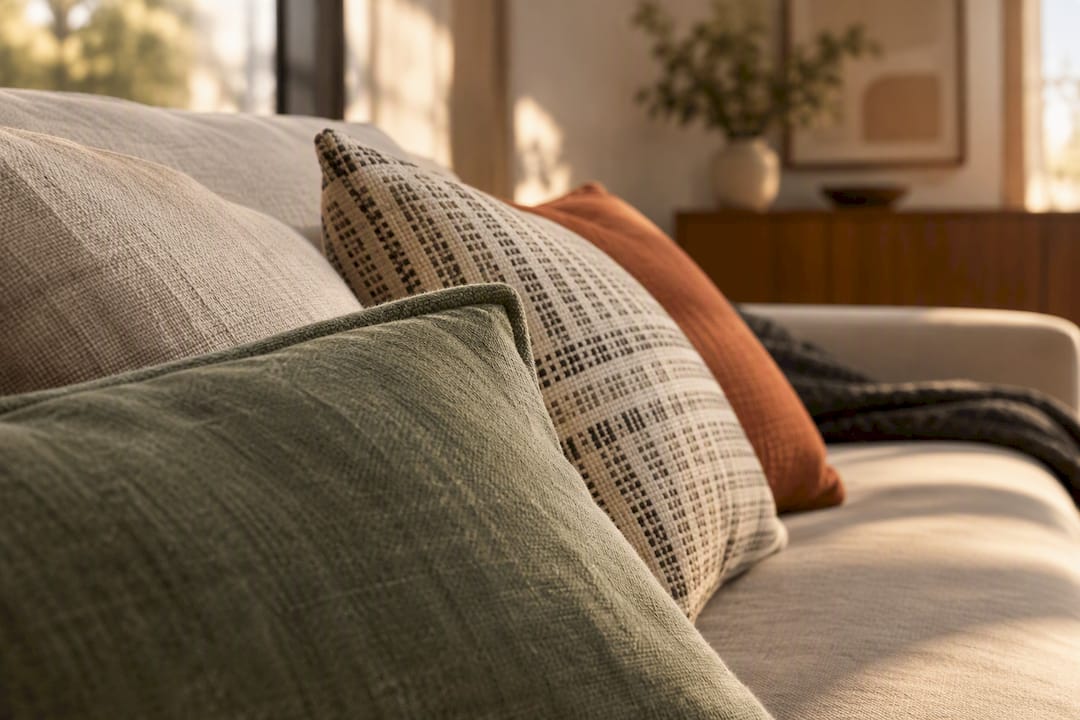
- Add a mid-layer of soft textiles. Wool throws, cotton cushions, and woven rugs introduce tactile contrast. They also absorb sound, which makes a room feel calmer and more settled.
- Use lighting to sculpt the atmosphere. Warm-toned bulbs (2,700–3,000 Kelvin) in table lamps and wall sconces create pools of light that feel intimate. Overhead lighting alone produces a flat, institutional effect.
- Introduce one or two organic shapes. A curved ceramic vase, a driftwood sculpture, or a hand-thrown bowl breaks the geometry of clean-lined furniture without disrupting the overall aesthetic.
- Pull exterior materials inside where possible. Unifying interior and exterior material palettes grounds the architecture and creates a sense of continuity that feels both deliberate and calming.
The principle behind all of this is that warmth and texture redefine modern homes to feel supportive and personal rather than stark. A room that looks good in a photograph but feels uncomfortable to sit in has failed its primary purpose. For more on achieving this balance, the Homable guide to contemporary home design covers material layering in practical detail.
How can homeowners and renters optimise small spaces while defining modern living environments?
Small space living is where modern design principles prove their worth most clearly. The constraint of limited square footage forces every decision to be purposeful, which is precisely what good modern design demands. Designing for long-term functionality across a 5–7 year horizon is far more effective than designing for an aspirational lifestyle you do not actually lead.
The practical approach starts with honest observation. Track how you use your space for a fortnight before making any changes. You will almost certainly discover that two or three zones account for 80% of your daily activity. Those zones deserve the most investment.
| Zone | Primary function | Smart solution |
|---|---|---|
| Work area | Focus and productivity | Foldable desk, task lighting, cable management |
| Social area | Relaxation and entertaining | Modular sofa, nesting tables, dimmable lighting |
| Storage | Organisation and declutter | Built-in shelving, ottoman storage, wall-mounted units |
| Exercise area | Movement and wellbeing | Foldable mat storage, clear floor zone, mirror panel |
Beyond furniture choices, these approaches make the biggest difference in compact homes:
- Vertical storage: Shelving that reaches ceiling height draws the eye upward and maximises every cubic metre of space.
- Smart storage solutions: Beds with integrated drawers, benches with lift-up lids, and hallway units with concealed compartments remove clutter without sacrificing style.
- Consistent colour palette: Using two or three tones across walls, floors, and furniture makes a small space read as larger and more cohesive.
- Multi-use décor: Decorative items that also serve a function, such as a sculptural lamp or a woven storage basket, earn their place in a compact room.
- Mirrored or reflective surfaces: Placed opposite a window, a large mirror doubles the perceived depth of a room without any structural work.
What are the emerging trends shaping modern living spaces in 2026?
Homes are becoming what architects now describe as “meta-modern” lifestyle spaces, balancing technology with emotional grounding and long-term resilience. This is not simply about adding gadgets. It is about designing environments that respond to how you feel as well as how you function.
The trends with the most practical impact right now include:
- Environmental performance: Insulation, glazing, and ventilation are no longer purely technical concerns. They directly affect comfort, air quality, and energy costs, all of which shape how a space feels to live in day to day.
- Biophilic design: Incorporating plants, natural light, and organic materials into interiors reduces stress and improves concentration. This is not a passing trend. It reflects a genuine shift in how people prioritise wellbeing at home.
- Smart lighting and climate control: Systems like Philips Hue and Nest allow you to programme lighting scenes and temperature settings that shift automatically through the day, supporting both productivity and rest.
- Sustainability in materials: Reclaimed wood, recycled glass, and natural stone are chosen as much for their environmental credentials as their aesthetic appeal.
- Lifestyle-led layout: Rooms are designed around activities rather than furniture categories. The question is no longer “where does the sofa go?” but “where do I want to feel calm, energised, or connected?”
For a deeper look at how these developments translate into specific products and layouts, the Homable guide to smart home aesthetics covers the 2026 design landscape in full.
Key takeaways
Defining modern living spaces succeeds when design decisions are rooted in real daily habits, not aspirational images, combining flexible furniture, layered textures, and smart zoning to create homes that are both stylish and genuinely liveable.
| Point | Details |
|---|---|
| Modern vs. contemporary | Modern design is a fixed mid-century style; contemporary design evolves with current trends. |
| Flexibility over square footage | Foldable, multi-use furniture and visual zoning create adaptable spaces without structural changes. |
| Warmth prevents sterility | Layering wood, wool, linen, and warm lighting stops minimalist rooms from feeling blank or cold. |
| Design for real habits | Observe how you actually use your space for 5–7 years, not how you wish you might use it. |
| Small spaces reward precision | Vertical storage, consistent colour palettes, and multi-use pieces maximise every square metre. |
Why I think most people get modern living design backwards
Most homeowners I speak with start with an image. They save something from a magazine or a social media feed, then try to reverse-engineer their home to match it. The result is what I call “aspirational theatre.” The room photographs well but feels wrong to live in. The sofa is too firm because it was chosen for its silhouette. The kitchen island is too large because it looked impressive online. The whole space serves the image rather than the person.
The approach that actually works is the opposite. Designing for how you actually live, not how you want to be perceived, produces more authentic and workable results every time. Start by spending a week observing your own habits. Where do you eat breakfast? Where do you work? Where do you decompress? Those answers are your brief.
The post-pandemic shift toward homes that support work, exercise, and social life simultaneously has made this approach non-negotiable. A home that cannot flex between those functions is not a modern home. It is an expensive inconvenience. The good news is that flexibility does not require a renovation. A well-chosen rug, a foldable desk, and a considered lighting scheme can transform how a room functions without touching a single wall.
I also think the warmth conversation is underrated. The most memorable interiors I have encountered are not the sparest. They are the ones where a linen cushion, a timber shelf, or a hand-thrown pot makes you want to stay. That is the real measure of a well-designed modern space.
— Cristiano
Explore Homable’s collections for your modern home
Homable brings together a curated range of home décor and accessories designed specifically for modern living. Whether you are zoning an open-plan flat, adding texture to a minimalist room, or finding storage solutions for a compact space, the collections at Homable cover every stage of the process. From rugs and curtains to ornaments and storage pieces, every product is chosen with both style and function in mind. Free shipping is available on orders over £100, and new arrivals are added regularly to keep pace with the latest in contemporary home trends. Browse the full range and find the pieces that make your space feel genuinely yours.
FAQ
What does “modern living space” actually mean?
A modern living space is one designed around adaptability, clean lines, and purposeful use of materials, prioritising how a space functions over how it looks in isolation. The term draws on mid-20th-century design principles updated for contemporary lifestyles.
How do I make a small flat feel more modern?
Use foldable or multi-use furniture, a consistent two to three colour palette, and vertical storage to maximise space. Visual zoning with rugs and lighting creates distinct areas without physical barriers.
Is minimalism the same as modern design?
Minimalism is one expression of modern design, but the two are not identical. Modern design allows for warmth and texture through materials like wood, wool, and linen, whereas strict minimalism reduces everything to its bare essentials.
How do I add warmth to a modern interior without making it look cluttered?
Layer natural materials in a sequence: start with large surfaces such as timber floors or linen sofas, then add soft textiles, then introduce one or two organic decorative objects. Each layer adds warmth without adding visual noise.
What is the difference between modern and contemporary home design?
Modern design refers to a specific historical style from the early to mid-1900s, while contemporary design reflects current trends and evolves continuously. Both share an emphasis on clean lines, but contemporary design is more flexible in its use of colour, materials, and form.