Cart
0
TL;DR:
- Contemporary design reflects current lifestyles, emphasizing flexibility, natural textures, and intentional simplicity.
- Sustainability and adaptable layouts are central to modern contemporary homes in 2026.
- Modern and contemporary styles differ; modern is historical, while contemporary is ever-evolving.
Many homeowners use ‘modern’ and ‘contemporary’ interchangeably, assuming they mean the same thing. They do not. Modern design is a fixed historical style rooted in the early-to-mid 20th century. Contemporary design, by contrast, is alive and shifting, shaped by how we live right now. It blends clean aesthetics with genuine comfort, social awareness, and the kind of flexibility that suits real households. This guide unpacks what truly defines a contemporary home in 2026, from its core visual features to its sustainability principles, and gives you practical tools to apply these ideas confidently in your own space.
Table of Contents
- Core features of contemporary home design
- Sustainability and adaptability in contemporary living
- Contemporary vs. modern: understanding the real differences
- Textural depth, colour and decor: bringing contemporary style to life
- Why adaptability and authenticity define contemporary home success
- Enhance your contemporary home with purposeful touches
- Frequently asked questions
Key Takeaways
| Point | Details |
|---|---|
| Fluid and evolving style | Contemporary design adapts to trends and fits diverse lifestyles with open, airy layouts. |
| Sustainability at the core | Eco-friendly materials and energy-efficient innovations are central to contemporary homes. |
| Contrast to modern design | Modern is fixed and minimal, while contemporary blends trends for warmth and comfort. |
| Texture and natural elements | Use organic materials, tactile surfaces, and purposefully chosen decor to create inviting spaces. |
Core features of contemporary home design
Contemporary design is not a rulebook. It is a reflection of the present moment, which means it evolves as culture, technology, and lifestyle shift. In 2026, that evolution leans toward spaces that feel both intentional and liveable, where nothing is superfluous and everything earns its place.
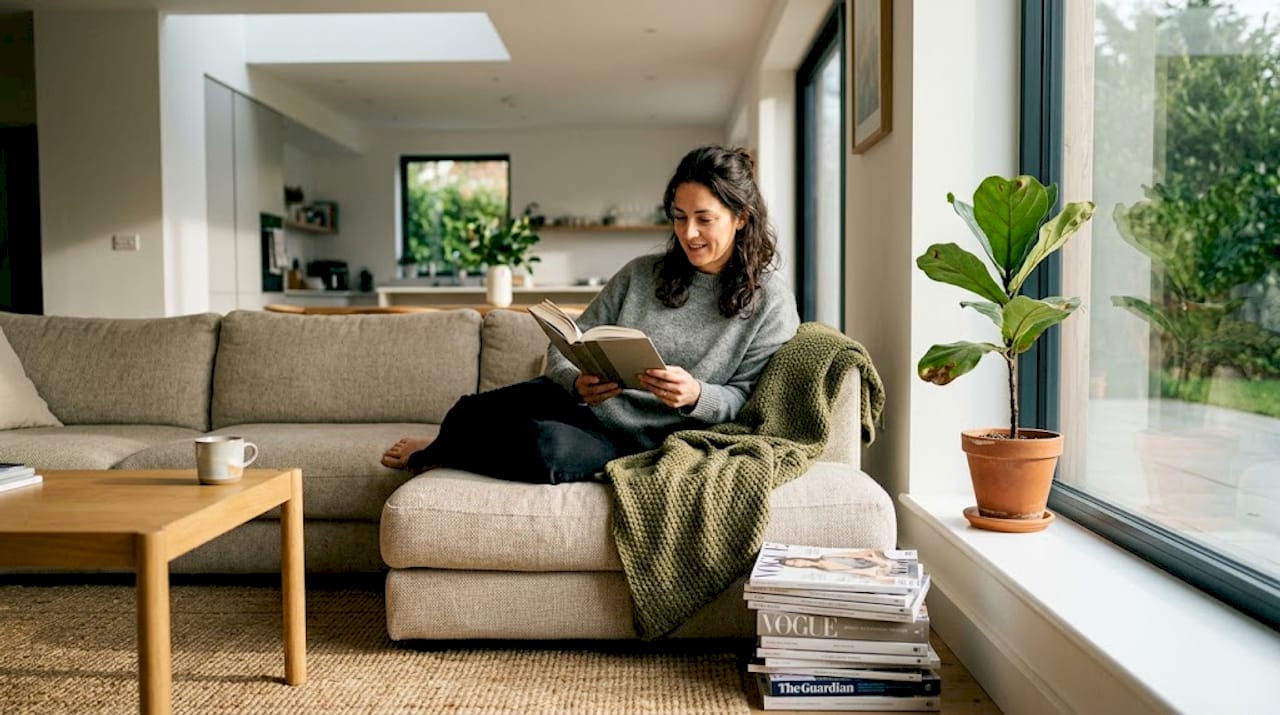
At the heart of any contemporary home are a handful of defining characteristics. Contemporary design essentials include clean lines, open floor plans, neutral palettes featuring whites, greys, beiges, and warm woods, natural textures such as wood, stone, and linen, large windows that flood rooms with natural light, and functional minimalist furniture. These are not arbitrary choices. Each one serves a purpose, whether that is maximising light, reducing visual noise, or making a room feel more spacious.
Here is what you will typically find in a well-executed contemporary interior:
- Open-plan layouts that encourage flow between living, dining, and kitchen areas
- Neutral colour palettes anchored by warm tones rather than cold, stark whites
- Natural materials including timber, stone, linen, and wool used in layers
- Large windows and glazed doors to connect interior spaces with the outdoors
- Furniture with clean profiles that prioritises comfort without bulk
- Purposeful decor where every object has visual or functional intent
Natural light is arguably the most powerful tool in contemporary design. It changes how colours read, how textures feel, and how generous a room seems. Pairing large windows with reflective surfaces and pale tones amplifies this effect considerably. Explore contemporary home trends 2026 to see how this plays out across different room types.
Furniture choices matter enormously. Contemporary pieces tend to sit lower to the ground, feature simple silhouettes, and avoid ornate detailing. But comfort is never sacrificed. A sofa might have a streamlined frame while still offering deep, generous cushions. The goal is a space that looks considered but feels genuinely relaxing.
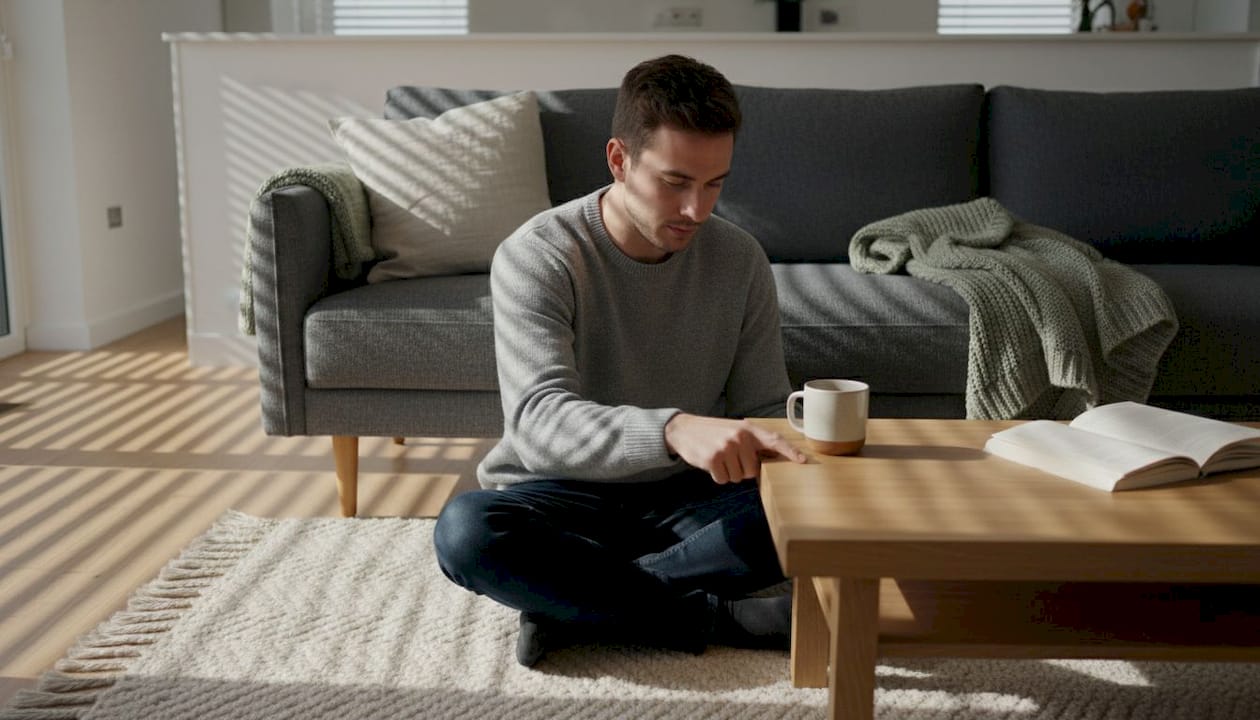
Pro Tip: To avoid a room feeling cold or clinical, layer tactile materials. A linen cushion, a wool throw, and a timber side table introduce warmth without adding clutter. Texture does the emotional work that colour alone cannot.
For more on how to bring these elements together cohesively, contemporary home styling offers practical guidance on achieving that balance between restraint and personality.
Sustainability and adaptability in contemporary living
Contemporary design has always responded to the world outside the front door. Right now, that world is asking serious questions about energy use, material sourcing, and how our homes can work harder with less. The answer, for many homeowners, is a design philosophy that is as practical as it is beautiful.
Sustainable design principles emphasise eco-conscious materials, energy efficiency, indoor-outdoor integration, smart technology, and adaptable configurations such as modular furniture and open layouts that can be reconfigured as needs change. These are not niche concerns. They are increasingly central to what makes a home feel genuinely contemporary.
The practical steps worth considering include:
- Choose eco-conscious materials such as reclaimed timber, recycled metal, and natural fibres
- Invest in smart home systems that regulate heating, lighting, and energy consumption automatically
- Design for flexibility using modular furniture that can shift between functions and rooms
- Incorporate passive design through strategic window placement and insulation to reduce reliance on mechanical heating
- Prioritise indoor-outdoor connection with glazed doors, planted terraces, or even a small courtyard
The energy savings from thoughtful design are striking. Passive strategies can reduce energy consumption by up to 90% in homes, with spatial temperature variation averaging just 4°F. That is a compelling case for designing with the environment in mind from the outset.
“Adaptability is not a trend. It is a fundamental shift in how we think about home design. A space that can evolve with you is always more valuable than one that cannot.”
Smaller home footprints are also gaining traction. Micro housing and compact living solutions are increasingly popular, particularly in urban areas where space is a premium. Contemporary design responds to this by making every square metre count, using built-in storage, multifunctional furniture, and clever spatial planning.
Pro Tip: When planning a room, think five years ahead. Will your family grow? Will you work from home more? Designing flexible spaces now saves costly redesigns later.
Understanding the sustainable homeware benefits of your purchasing choices is a natural extension of this philosophy, connecting product decisions to broader environmental values.
Contemporary vs. modern: understanding the real differences
This is where most people get tripped up. The words ‘modern’ and ‘contemporary’ feel synonymous, but in design terms, they describe very different things. Getting this distinction right helps you make sharper decisions about your own home.
Modern design refers specifically to the Modernist movement, a style that emerged in the early 20th century and peaked mid-century. It is characterised by strict geometry, earthy tones, natural materials, and an unwavering commitment to function over form. Think flat roofs, Bauhaus furniture, and the idea that beauty emerges from utility.
Contemporary design, by contrast, is fluid and ever-changing, prioritising form and comfort alongside function, and embracing contrast, curves, and mixed materials in ways that modern design would never permit. It avoids clutter, but through purposeful decor rather than rigid minimalism.
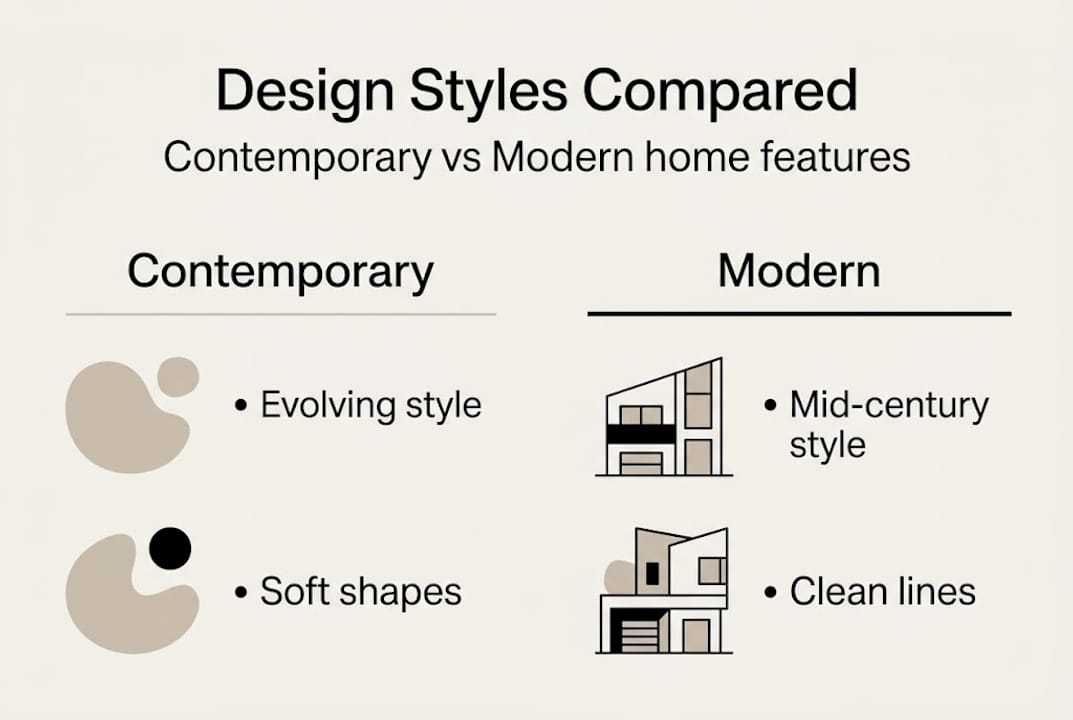
| Feature | Modern design | Contemporary design |
|---|---|---|
| Time period | Early-to-mid 20th century | Present day, always evolving |
| Lines and shapes | Strict geometry, straight lines | Mix of clean lines and soft curves |
| Colour palette | Earthy, warm neutrals | Neutral base with bold or organic accents |
| Materials | Wood, leather, steel | Layered naturals, mixed textures |
| Furniture style | Function-first, minimal | Comfortable, streamlined, eclectic |
| Decor approach | Sparse, purposeful | Purposeful but personality-driven |
A growing expression of contemporary design is quiet luxury, which emphasises material depth and restraint over spectacle. It is less about showing off and more about quality you can feel. Rich fabrics, considered finishes, and furniture that rewards close inspection.
Common misconceptions worth clearing up:
- ‘Contemporary means cold’: Not true. Layered textures and warm tones make contemporary spaces deeply inviting
- ‘Modern and contemporary are the same’: Modern is historical; contemporary is current
- ‘You must choose one style’: Contemporary actively encourages thoughtful mixing
- ‘Minimalism means empty’: Purposeful decor is not the same as bare rooms
Exploring modern design trends alongside a contemporary styling guide will help you identify which elements resonate most with your own taste.
Textural depth, colour and decor: bringing contemporary style to life
Knowing the principles is one thing. Applying them in a real room is another. This is where texture, colour, and decor choices become your most powerful tools.
Contemporary interiors in 2026 are leaning strongly toward organic and natural elements, with dark woods and lived-in aesthetics blending with clean lines for functional elegance. The result is spaces that feel curated but not precious, stylish but genuinely comfortable.
Colour strategy in a contemporary home typically follows a clear logic:
| Layer | Colour approach | Example |
|---|---|---|
| Base (walls, floors) | Soft neutrals | Warm white, greige, pale stone |
| Mid-layer (furniture) | Deeper neutrals or organic tones | Charcoal, taupe, warm oak |
| Accent (cushions, art, plants) | Bold or earthy pops | Terracotta, forest green, deep navy |
Texture is what prevents a neutral palette from feeling flat. The role of texture in contemporary styling cannot be overstated. Rough linen next to smooth stone, a matte wall beside a glossy pendant light, a chunky wool rug on polished concrete. These contrasts create visual and tactile interest without requiring bold colour.
Key decor principles to follow:
- Choose fewer, better pieces rather than filling every surface
- Mix natural materials such as wood, stone, rattan, and linen within the same room
- Use dark woods with patina for warmth and a lived-in quality
- Bring the outdoors in with plants, natural fibres, and organic shapes
- Let statement pieces breathe by keeping surrounding areas calm and uncluttered
Pro Tip: If a room feels sterile, add a tactile fabric layer before reaching for paint. A chunky knit throw or a textured rug changes the atmosphere immediately and costs far less than redecorating.
For a broader view of where interiors are heading, design trends 2026 offers an excellent reference point for planning your next update.
Why adaptability and authenticity define contemporary home success
Here is something most design guides will not tell you: the most beautiful contemporary homes are not the ones that follow trends most faithfully. They are the ones that reflect how their owners actually live.
Trends are useful as a compass, not a prescription. The homes that endure are those built around prioritising function alongside genuine personal taste. A space that photographs beautifully but frustrates you daily is a design failure, regardless of how current it looks.
Adaptability is the real currency of contemporary living. Lifestyles shift. Families grow or shrink. Working from home has fundamentally changed how we use our spaces. A room that can evolve with you, through flexible furniture, considered layouts, and materials that age gracefully, will always feel more liveable than one frozen in a moment. Understanding functional design is what separates a home that looks good in photographs from one that genuinely works for the people inside it. Authenticity and adaptability together are what make a contemporary home truly successful.
Enhance your contemporary home with purposeful touches
Once you understand the principles behind contemporary design, the next step is finding pieces that genuinely support that vision. Thoughtful decor choices make the difference between a space that looks styled and one that feels complete.
At Homable, we stock pieces that align naturally with contemporary values: texture, quality, and purpose. A bamboo curtain brings natural material and indoor-outdoor connection to any doorway. A pink woolen rug adds warmth and tactile depth to a neutral floor. Our natural bamboo rugs offer an organic grounding element that works across living rooms and bedrooms alike. Browse our curated collections to find pieces that bring your contemporary home to life, with free shipping on orders over £100.
Frequently asked questions
What are the main elements of contemporary home design?
Contemporary home design features clean lines, open spaces, neutral colours, natural textures, and adaptable furniture that balances comfort with flexibility.
How does contemporary design differ from modern design?
Contemporary design evolves with current trends and blends eclectic features, while modern design is a fixed historical style rooted in minimalism and function-first principles from the early-to-mid 20th century.
Is sustainability important in contemporary homes?
Yes. Eco-materials, energy efficiency, and flexible layouts are central to contemporary home design, reflecting a broader shift toward responsible and adaptable living.
What colours and materials are popular in contemporary interiors in 2026?
Neutral bases such as whites and greys, paired with organic accents like dark woods and stone, define 2026’s contemporary interiors, blending warmth with clean, functional elegance.
How can I make my home feel more contemporary?
Start with open layouts, use neutral tones as your base, layer natural materials and textures, and choose decor that emphasises flexibility and purposeful simplicity over clutter.