Cart
0

TL;DR:
- Lifestyle collections are curated over time, combining heritage and modern pieces for lasting personal style.
- They enhance small spaces with modular, versatile furniture while promoting sustainability through vintage mixing.
- Building a collection gradually creates authentic interiors grounded in personal story, comfort, and adaptability.
Chasing every new trend is exhausting, expensive, and often leaves your home feeling like a showroom rather than somewhere you actually live. Yet millions of UK homeowners do exactly that, buying into seasonal palettes and fleeting styles that date within months. There is a better approach. Collected-over-time interiors deliver something far more lasting: personal style, genuine function, and a space that genuinely feels like yours. This guide explains what lifestyle collections really are, why they matter for modern British homes, and exactly how you can start building one today.
Table of Contents
- What are lifestyle collections?
- Key benefits for modern UK living
- How to build your own lifestyle collection
- Design strategies for lasting style and function
- Why authenticity and comfort are the new luxury
- Ready to start your collection journey?
- Frequently asked questions
Key Takeaways
| Point | Details |
|---|---|
| Layered and personal | Lifestyle collections create spaces that are unique, meaningful, and adaptable to your life. |
| Practical solution for all homes | Collections suit both new builds and compact period homes due to their modular and multi-functional design. |
| Sustainability and longevity | A collected-over-time approach reduces waste, promotes sustainability, and outlasts trends. |
| Start small, build gradually | You don’t need a big budget—meaningful homes come from gradual curation and mixing eras. |
What are lifestyle collections?
A lifestyle collection is not simply a matching set of cushions or a coordinated living room bought from a single catalogue page. It is a curated grouping of pieces chosen deliberately over time, each one selected for its individual character, practical value, and the way it contributes to a broader personal narrative. Think of it less like a shopping basket and more like a personal museum of the things that matter to you.
The layered, functional interiors that lifestyle collections produce are not accidental. Each piece earns its place, whether that is a stoneware jug passed down from a grandparent, a bold geometric rug sourced on holiday, or a sleek storage unit that keeps the hallway calm. These elements blend heritage patterns with contemporary functionality, giving a room genuine depth rather than polished emptiness.
“British interior style is built on contrast and individuality. It is not about following a rulebook but about assembling a home that evolves meaningfully over years.”
British style’s emphasis on contrast between traditional and modern is not a design accident. It is a cultural signature. A Victorian terrace fitted with minimalist shelving alongside a grandmother’s armchair feels considered, not confused. That tension is precisely what makes a space feel inhabited and authentic.
Here is what distinguishes a lifestyle collection from ordinary decor:
- Intentionality: every piece is chosen, not grabbed in haste
- Versatility: items work across rooms, seasons, and changing needs
- Personal story: the collection reflects your history, not a trend report
- Longevity: pieces are bought to stay, not to be replaced next season
- Harmony with contrast: old and new sit together naturally
| Feature | Lifestyle collection | Generic trend decor |
|---|---|---|
| Selection method | Curated over time | Seasonal, reactive buying |
| Emotional value | High, deeply personal | Low, disposable feel |
| Adaptability | Modular, versatile | Fixed to one aesthetic |
| Longevity | Years to decades | Months |
| Sustainability | Mixes vintage and new | Often wasteful |
Exploring curated collections for home decor is one of the most practical ways to begin understanding how this approach can work across different room types and budgets.
Key benefits for modern UK living
Understanding what lifestyle collections are is only part of the picture. Their real value becomes clear when you consider the very specific challenges of living in a British home in 2026: tight floor plans, period architecture, rising costs, and a growing awareness of sustainability.
Adaptability in smaller spaces is perhaps the most immediate benefit. Modular collections addressing space constraints are particularly well-suited to compact terraces and flat conversions where every square metre counts. A storage ottoman that doubles as seating, a shelving unit that spans a chimney breast, a side table that tucks flat against a wall: these are not compromises, they are clever choices.
Statistic: 60% of luxury home upgrades currently focus on custom or modular furniture, reflecting a clear shift away from one-size-fits-all purchasing.
Practical benefits aside, the emotional dimension should not be underestimated. A home filled with pieces that hold personal meaning is a fundamentally calmer, more restorative environment. Interior psychologists have long recognised that environments reflecting our identity reduce anxiety and increase a sense of belonging.
Sustainability is equally compelling. Rather than discarding an entire scheme every few years, lifestyle collections invite you to mix second-hand finds with new purchases, extending the life of good-quality pieces. Natural materials like wool, linen, and solid timber age beautifully, improving rather than declining with time.
The benefits in summary:
- Modular pieces fit period properties and compact layouts
- Mixing vintage and contemporary reduces waste and cost
- Personal meaning creates genuine comfort and wellbeing
- Quality over quantity saves money across a longer timeline
- Collections evolve without requiring a complete overhaul
Pro Tip: When browsing room decor picks for function, filter by multi-purpose products first. A single piece that solves two problems is always worth more than two pieces that each solve one.
Thinking carefully about your interior design workflow from the outset will save you from impulsive purchases that disrupt the collection’s cohesion later.
How to build your own lifestyle collection
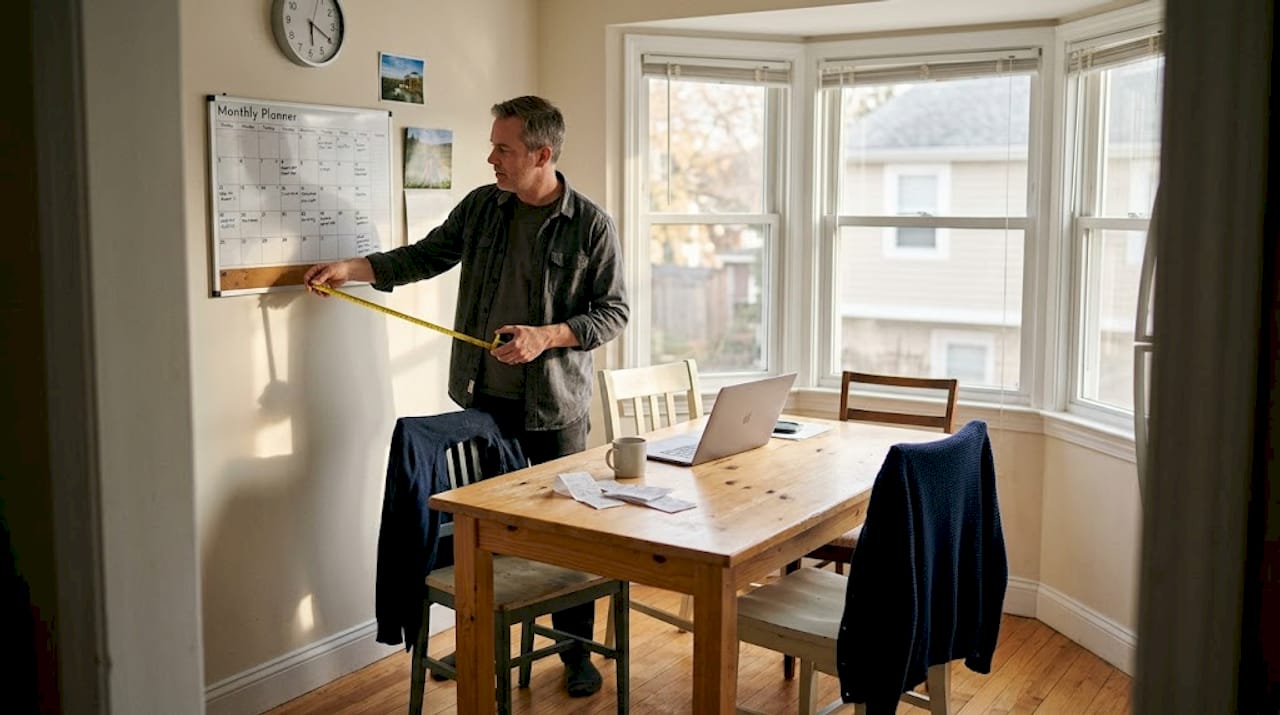
Building a lifestyle collection sounds deceptively simple but it takes discipline. The temptation to buy everything at once is real. Resist it. Gradual evolution mixing vintage and modern for depth is what separates a truly personal interior from an expensive but hollow one.
Here is a practical process to follow:
- Assess your space and your story. Walk through your home and note what you actually use, what you love, and what feels out of place. Your history, travels, and preferences are the brief.
- Choose your anchoring pieces first. These are the large, foundational items: a sofa, a dining table, a significant storage system. Get these right and everything else follows more easily.
- Blend eras deliberately. Combine reclaimed wood with powder-coated metal. Place a heritage print beside a contemporary ceramic. Contrast is the engine of British style.
- Buy gradually and meaningfully. Set a rule: every new piece must earn its place. Give yourself time between purchases to assess whether something truly fits before committing.
- Incorporate multi-functional and sustainable elements. Choose pieces that adapt, store, or serve more than one purpose. Prioritise natural or recycled materials wherever possible.
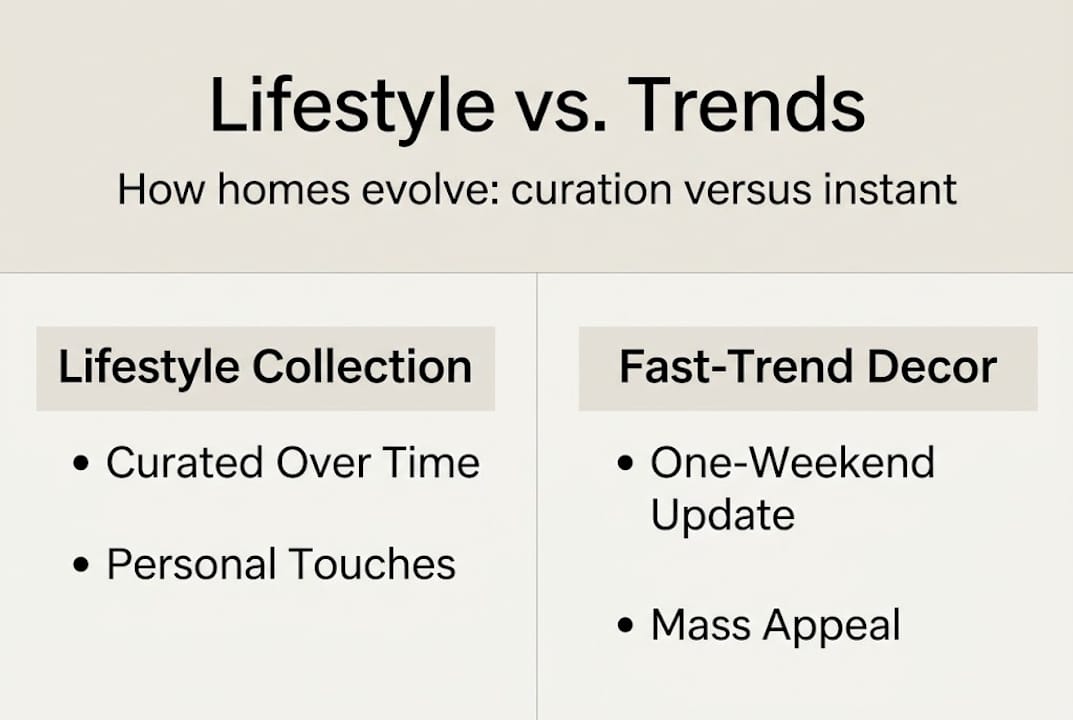
| Approach | Fast-trend makeover | Lifestyle collection |
|---|---|---|
| Timeline | One weekend | Months to years |
| Cost pattern | High upfront | Spread and manageable |
| Personal resonance | Low | High |
| Sustainability | Often wasteful | Considered and lasting |
| Style longevity | 1 to 2 years | A decade or more |
Lifestyle collections transform spaces into functional ecosystems that genuinely enhance daily living, rather than simply looking good in photographs. This is a crucial distinction for both homeowners and designers working with real clients in real homes.
Pro Tip: Start your collection with one room only. Affordable home styling strategies are easiest to practise at small scale before expanding to the rest of the house.
For inspiration on individual pieces that add personality without overpowering a space, stylish room accents are a reliable starting point.
Design strategies for lasting style and function
Knowing how to build a collection is one thing. Knowing how to keep it feeling fresh and coherent over years is another. These strategies will help you avoid the most common pitfalls.
Practical layering means combining objects at different heights, textures, and functions within a single vignette or room. A tall lamp behind a low armchair beside a stacked set of books creates visual movement without any single purchase dominating.
British style’s emphasis on individuality over trend conformity is what keeps collections feeling alive. A room that looks like it was styled for a magazine shoot often lacks the lived-in quality that makes a space genuinely inviting. Deliberately introduce imperfection: a worn leather chair, a slightly mismatched frame, a plant that has seen better days.
Technology is a genuinely useful tool here. 66% of furniture leaders now use 3D lifestyle imagery to help customers visualise pieces in their own spaces before purchasing. Many apps allow you to place virtual furniture in a photograph of your actual room, saving you from costly mistakes.
Pro Tip: When decorating small spaces, keep your palette tight and let texture do the work. A room with three shades of the same colour but five different materials feels rich without feeling busy.
Avoid these common pitfalls:
- Buying matching sets: they read as flat and impersonal
- Over-conforming to one era: mix periods to add depth
- Neglecting your personal story: the best rooms contain a few items with no obvious logic except that you love them
- Rushing the process: impatience is the enemy of a good collection
For those looking to refresh their interiors without a full overhaul, even small additions like a new textile or a considered ornament can rebalance a room. And for specific rooms, bedroom styling tips offer targeted guidance for the space where personal comfort matters most.
Why authenticity and comfort are the new luxury
Here is an uncomfortable truth that the home decor industry would rather you did not sit with: expensive does not mean personal, and personal is what actually makes a home feel luxurious. A sofa that cost four figures but was chosen because it was fashionable will always feel colder than a worn reading chair you have had for fifteen years.
The real shift happening in British interiors right now is a move away from aspirational display towards genuine comfort and meaning. Experts increasingly advocate for collected-over-time approaches precisely because they produce spaces that feel emotionally true rather than aesthetically performed.
We believe the most enduring interiors are built on trust: trust in your own instincts, your own history, and your own definition of comfort. Marketing campaigns will always try to convince you that the next sofa launch or the latest colour of the year is essential. It rarely is. What endures is what resonates with you specifically.
That quiet confidence to choose slowly, mix freely, and resist the pressure to conform is, frankly, the most stylish thing a homeowner or designer can do. It also extends naturally to outdoor space styling, where the same principles of gradual, personal curation produce gardens and terraces that feel genuinely lived in.
Ready to start your collection journey?
If this guide has shifted the way you think about your home, the next step is simple: start looking at your space with fresh eyes and a longer timeline in mind.
At Homable, you will find a carefully selected range of home decor and accessories built around exactly this philosophy. From statement ornaments to practical storage, every product is chosen to work within a layered, evolving interior rather than dominate it. Whether you are a homeowner taking your first steps or a designer sourcing pieces for a client, Homable’s modern home styling resources offer practical inspiration alongside a curated product range. Begin your collection today, one considered piece at a time.
Frequently asked questions
What makes a lifestyle collection different from regular home decor?
A lifestyle collection is curated for personal meaning, versatility, and layering over time, whereas generic decor typically follows fleeting trends with little regard for individual character. The goal is layered, functional interiors that blend heritage with contemporary life.
How do lifestyle collections solve problems in small UK homes?
Modular and multi-functional pieces maximise limited floor space and adapt well to period property layouts. Modular collections are specifically designed to address the constraints common in compact British homes.
Is it better to buy everything at once or curate over time?
Curating gradually is strongly recommended for authenticity, sustainability, and genuine comfort. Collecting over time produces a depth of character that a fast, trend-based purchase simply cannot replicate.
How do I start building a lifestyle collection if I’m on a budget?
Begin with one or two essential anchor pieces and supplement with meaningful vintage or second-hand finds over time. Gradual evolution mixing vintage and modern is both budget-friendly and produces the richest results.
Recommended
- How design trends enhance UK homes: Guide for 2026 – Homable
- Design Trends in 2026: Shaping Modern UK Homes – Homable
- Contemporary home trends 2026: style and elevate your space – Homable
- Why use curated collections for home decor in 2026 – Homable
- Top 6 Advantages Of Canvas Art For Your Home In 2026
- The Smart Home Advantage: Upgrades That Increase Home Value in Bensalem - Precision Remodeling Solutions