Cart
0
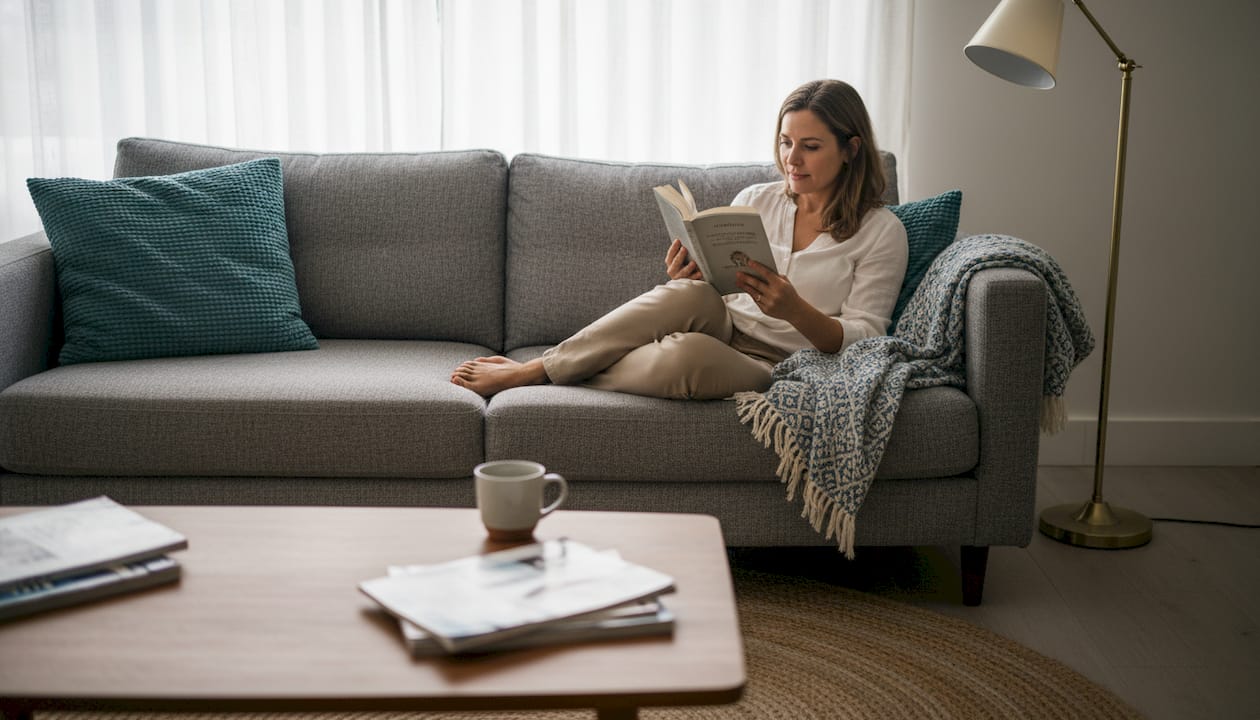
Accents account for 70% of a room’s personality and visual impact despite representing a small fraction of most decorating budgets. That single fact upends the widespread belief that meaningful change requires a full renovation or a hefty spend. The truth is, a well-chosen cushion, rug, or piece of artwork can shift the entire mood of a room in an afternoon. This guide explains exactly what accents are, why they work so powerfully, and how to use them with confidence in your own home.
Table of Contents
- What are accents in interior design?
- Why accents matter: personality, impact, and budget
- The science and structure: how to use accents effectively
- Best practices, expert tips, and common mistakes
- Accent walls and edge cases: when to go big, when to keep it subtle
- Enhance your space with curated accents
- Frequently asked questions
Key Takeaways
| Point | Details |
|---|---|
| Small changes, big impact | Strategic use of accents can completely transform a room’s vibe without major expense or effort. |
| Follow proven frameworks | Rely on tried-and-true rules like 60-30-10 and the rule of three for expert-level results. |
| Balance is essential | Too many or mismatched accents can crowd a space, so choose and place intentionally. |
| Express your personality | Accent decor enables personal expression, making any living space truly unique. |
What are accents in interior design?
Accents are the decorative elements that sit alongside your core furniture and wall colours to bring a room to life. Think of them as the finishing touches that turn a functional space into one that feels genuinely yours. According to design professionals, accents include pillows, artwork, rugs, vases, accent chairs, and lighting that add visual interest, personality, focal points, balance, and easy refresh options.
The most common misconception is that accents are mere extras with little real influence. In practice, they are often the most expressive part of any room. A neutral sofa and white walls provide a canvas, but it is the textured throw, the ceramic vase, and the patterned rug that tell the story of who lives there.
Here are the main categories of accents you will encounter:
- Soft furnishings: cushions, throws, curtains, and rugs
- Decorative objects: vases, candles, sculptures, and ornaments
- Wall accents: artwork, mirrors, and wall-mounted shelving
- Lighting accents: table lamps, floor lamps, and pendant lights
- Furniture accents: accent chairs, side tables, and ottomans
“Accents are not afterthoughts. They are the primary tools through which a room communicates warmth, character, and intention.” — Interior design principle
For practical guidance on making objects work harder in your space, the article on styling ornaments for home impact is a useful starting point. You can also explore a broader stylish room accents guide for room-by-room inspiration.
Why accents matter: personality, impact, and budget
With a clear sense of what accents are, let us look at why they are so transformative and cost-effective for any home.
Designers consistently report that accents account for 70% of a room’s personality and visual impact, yet they typically represent only 15 to 20% of a decorating budget. That ratio is remarkable. You are getting the majority of a room’s character from a minority of the spend. It means that even modest investment in the right pieces can produce a dramatic shift in how a space feels.
Accents also offer something that structural changes cannot: flexibility. You can swap cushion covers for the season, introduce a new rug when your tastes evolve, or rotate artwork between rooms without any commitment. Regular updates through accents provide psychological comfort through variation, rhythm, and a sense of freshness that keeps a home feeling alive rather than static.
| Element | Without accents | With accents |
|---|---|---|
| Room feeling | Functional but flat | Warm, personal, and inviting |
| Visual interest | Minimal | High, with focal points |
| Budget allocation | 80-85% on furniture/walls | 15-20% on accents for 70% of personality |
| Flexibility | Low (structural changes needed) | High (swap and rotate easily) |
For more on how to add visual impact with accents, our room-by-room guide covers specific placement strategies.
Pro Tip: Start with just one or two accent pieces rather than buying everything at once. Live with them for a week, see how the light changes them throughout the day, and then build from there. This approach saves money and produces far more considered results.
The science and structure: how to use accents effectively
Knowing the benefits, let us move into the most practical and timeless formulas that professionals use to make accent pieces work.
The single most useful framework is the 60-30-10 colour rule. It works like this: 60% of a room uses a dominant colour (typically walls and large furniture), 30% uses a secondary tone (sofas, curtains, or rugs), and 10% is reserved for bold accent colours. That final 10% is where your accents live, and it is where the personality of the room is concentrated.
The rule of three is equally powerful. Grouping objects in odd numbers creates natural visual rhythm. Three candles of varying heights, three cushions in complementary tones, or three framed prints arranged asymmetrically all feel more dynamic than even-numbered arrangements.
“The 60-30-10 rule is not a rigid formula but a guide to proportion. It prevents any single element from dominating and ensures the eye moves comfortably around the room.”
Layering textures adds depth that colour alone cannot achieve. Combining a smooth ceramic vase with a woven basket and a velvet cushion creates tactile contrast that makes a room feel considered and rich. For more on this, the guide to layering textures for depth explains the technique in detail, and the article on textiles for style and warmth covers fabric choices specifically.
Here is a five-step process for building an accent scheme from scratch:
- Choose your dominant colour and establish it across walls and large furniture pieces.
- Select a secondary tone that complements the dominant colour without competing with it.
- Pick one or two bold accent colours using the 60-30-10 rule as your guide.
- Introduce texture variety by mixing at least three different materials across your accent pieces.
- Apply the rule of three when grouping objects on surfaces, shelves, or walls.
| Room type | Dominant colour (60%) | Secondary tone (30%) | Accent colour (10%) |
|---|---|---|---|
| Living room | Warm white walls | Charcoal grey sofa | Burnt orange cushions |
| Bedroom | Soft sage walls | Cream bedding | Deep teal throw |
| Kitchen/diner | Off-white units | Natural wood tones | Terracotta accessories |
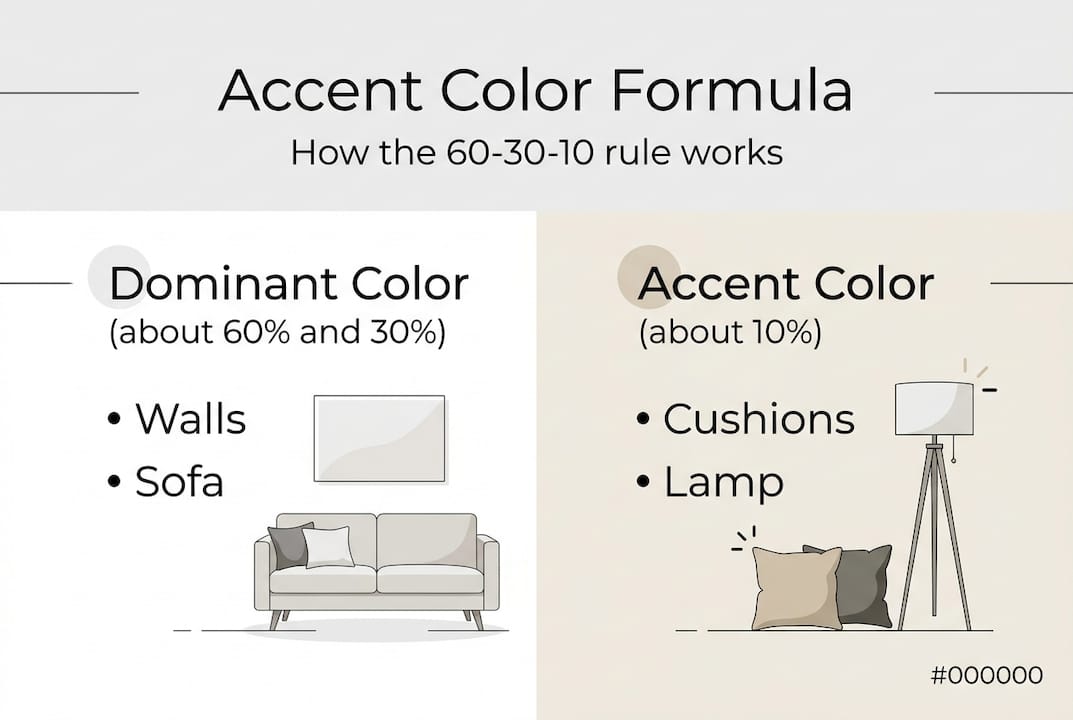
For further tips for home accessories that work within these frameworks, we have a dedicated guide worth bookmarking.
Best practices, expert tips, and common mistakes
With those formulas in mind, real-world choices require a few more expert tips and some common mistakes to avoid.
Scale and proportion matter enormously. A tiny vase on a large mantelpiece looks lost; an oversized floor lamp in a narrow hallway feels oppressive. Before buying any accent piece, consider the dimensions of the surface or wall it will occupy. Expert guidance on scale, proportion, and breathing space consistently highlights these as the most overlooked factors in home styling.
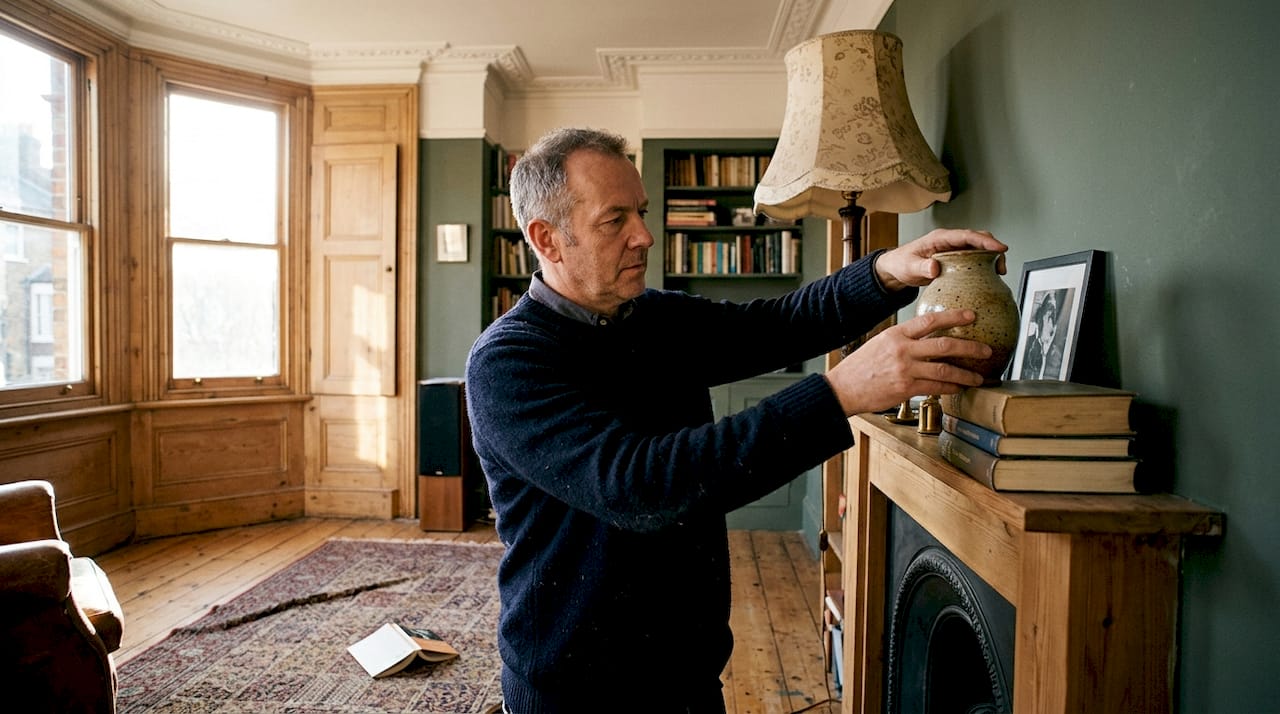
Mixing textures and finishes creates balance. Pairing matte with gloss, rough with smooth, or natural with metallic prevents a room from feeling one-dimensional. The key is contrast without chaos: choose pieces that differ in texture but share a colour family or tonal range.
Here are the most important best practices to follow:
- Limit pieces per surface: three to five items maximum on any shelf or table
- Use trays and books to anchor collections and create visual order
- Group in odd numbers for natural, dynamic arrangements
- Give pieces breathing space so each one can be appreciated individually
- Rotate seasonally to keep the room feeling fresh without new purchases
Over-accessorising is the single most common error. Too many accents dilute impact and create visual noise rather than personality. Cohesion and intention matter far more than quantity. Every piece should earn its place.
Pro Tip: Start with removable, low-commitment items like cushions and throws before investing in larger pieces. This lets you experiment with colour and texture safely, and you can always return or repurpose items that do not work.
For a deeper look at how texture influences the overall feel of a room, the article on the importance of texture in accents is well worth reading alongside the accessory styling tips guide.
Accent walls and edge cases: when to go big, when to keep it subtle
Sometimes accents take centre stage. Other times, subtlety is key. Here is how to strike the right balance, even in tricky room layouts.
Accent walls serve as large-scale focal points but should be used sparingly and in the right location. The general rule is one accent wall per room, positioned behind the main furniture arrangement or the television rather than on a wall broken up by windows or doors. A darker shade creates drama; a lighter or textured finish can make a space feel larger.
In small rooms, the rules shift. Overwhelming accents can shrink a space, so the approach should favour fewer pieces, lighter colours, and careful placement. A single statement mirror, a compact rug, and one piece of wall art will do far more for a small room than a crowded shelf of ornaments.
“In a small room, every accent must justify its presence. One well-chosen piece creates impact; five competing pieces create clutter.”
Do’s and don’ts for accent walls and compact spaces:
- Do choose one wall as a focal point and commit to it
- Do use lighter accent colours in rooms under 12 square metres
- Do place accent walls behind the primary seating or sleeping area
- Don’t paint more than one wall in a bold accent colour per room
- Don’t use large-scale patterns in very small rooms
- Don’t place an accent wall on a window-heavy wall, as it fragments the effect
For specific strategies on making compact rooms work harder, the guides on decorating small spaces, decorative solutions for small spaces, and styling small spaces tips each offer practical, room-specific advice.
Enhance your space with curated accents
Ready to apply these accent strategies in your own home? The right pieces make all the difference, and finding them should be as enjoyable as arranging them.
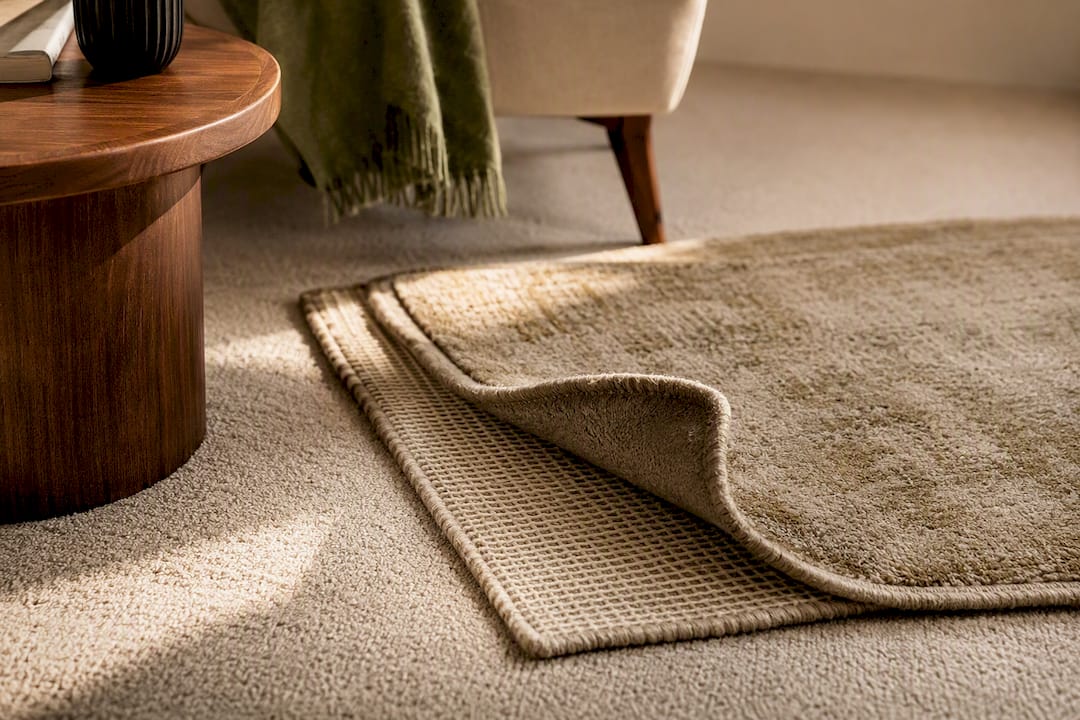
At Homable, we have curated a selection of accents designed to work with modern British interiors. Whether you are looking for a tactile woolen accent rug to anchor a living room or a practical soft bathroom rug set that adds both comfort and style, our range covers the essentials. Every piece is chosen with proportion, texture, and everyday living in mind. Browse the full accents collection to find pieces that suit your space, your palette, and your budget, with free shipping available on orders over £100.
Frequently asked questions
What is the 60-30-10 rule in accent design?
The 60-30-10 rule is a colour framework where 60% of a room uses a dominant colour, 30% a secondary tone, and 10% bold accent hues for impact. It ensures visual balance and prevents any single element from overwhelming the space.
Which items work best as accents in a small room?
Lighter-coloured cushions, compact rugs, vases, and artwork tend to work best, keeping groupings minimal to avoid crowding. Small rooms benefit from fewer, lighter pieces placed with intention rather than abundance.
How do accent pieces affect a room’s mood?
Accents introduce contrast, rhythm, and colour, which can make a space feel more inviting and dynamic. They transform ordinary spaces into personal havens by providing psychological comfort through variation and visual interest.
What is the biggest mistake people make with accents?
Over-accessorising dilutes impact and creates visual noise rather than personality. Focus on intentional placement, leave breathing space between pieces, and let each item earn its position in the room.
Are accent walls outdated?
Accent walls remain a relevant and effective design tool in 2026. The key is restraint: use just one accent wall per room, positioned behind the primary furniture arrangement, and choose a colour or texture that complements rather than competes with the rest of the space.